Editor’s choice
This project builds evidence and partnerships to attract investment into actions that reduce black carbon emissions. SEI will develop country-specific sectoral investment roadmaps to inform the Government, MDBs, and funders about the costs and benefits of black carbon mitigation in four countries including Nigeria, Colombia, and Indonesia. These roadmaps help identify feasible implementation paths and investment opportunities for reducing black carbon.
2026–2027
Despite its significant climate and health impacts, black carbon, also known as soot and a component of PM 2.5, remains underfunded and underprioritized in global air quality and climate finance.
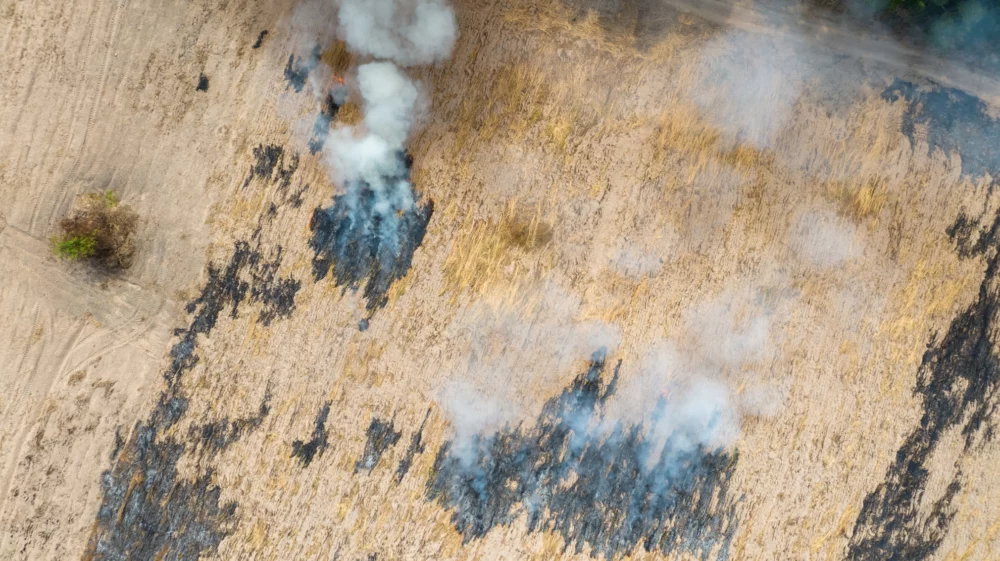
According to the State of Global Air Funding 2025, funding for black carbon mitigation fluctuated from $975 million in 2019 to $824 million in 2023, a 15% decline. Focusing on black carbon mitigation aligned with country priorities can boost funding and attract finance for overlooked projects tackling harmful burning and reliance on polluting fuels like kerosene and diesel. Many countries prioritize black carbon through targets in NDCs or National Short-Lived Climate Pollutants Action Plans. However, the transition from planning to implementation is hindered by a lack of dedicated financial mechanisms and investment-ready project pipelines that show the benefits of black carbon mitigation.
To address these challenges, it is important to create an environment for financing high-emitting black carbon sectors, strengthen evidence, and mobilise targeted financial commitments to integrate black carbon into climate and development finance.
This project aims to close the financing gap for black carbon mitigation by developing sectoral and regional investment roadmaps to guide funders, governments, and multilateral institutions toward impactful interventions.
This project tackles the financing shortfall for black carbon reduction. By combining research, stakeholder engagement, and investment planning, the project identifies cost-effective, workable pathways that can attract both public and private capital.
To deliver on these goals, SEI will work with the Clean Air Fund, Governments, Multilateral Development Banks (MDBs), and other collaborators to develop these roadmaps.
The project will:
The project will also align with international initiatives on superpollutants and short-lived climate pollutants, as appropriate.
This project is funded by Clean Air Fund.
Project / The project incorporates SLCPs and other air pollutants into the GLEC Framework on emissions tracking for businesses.
2024 - 2025 / About Cities, Pollution, Short lived climate pollutants and Transport
Project / SEI researchers and partners will create three assessments on economics, agriculture and food systems, and nitrous oxide to aid decision-making on SLCPs.
2024 - 2026 / About Cities, Pollution, Short lived climate pollutants and Transport
Project / The project aims to assess the impact of short-lived climate pollutants (SLCPs) on human health in Estonia.
2015 - 2017 / About Pollution and Short lived climate pollutants
Feature / SEI partnered with Colombia to raise the country's sights on climate change and improve health to set an ambitious and achievable target to reduce black carbon.
6 December 2022 / About Mitigation, Pollution, Short lived climate pollutants and Sustainable Development Goals
Feature / SEI, UNEP and the SWMU in Senegal trained national experts to use the greenhouse gas and black carbon inventory for the country's waste sector.
14 April 2021 / About Fossil fuels and Short lived climate pollutants
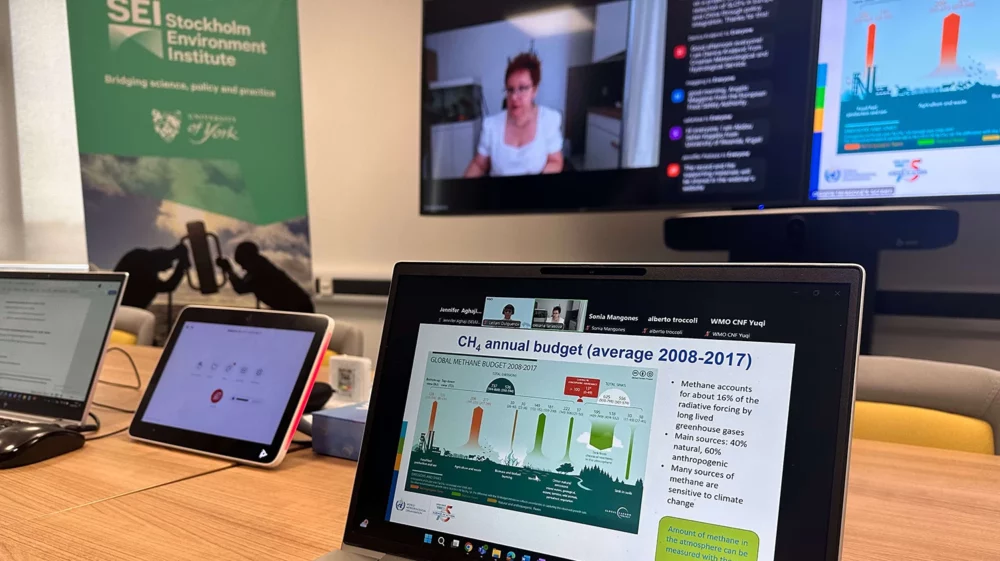
Feature / A FOCI webinar showcased how tackling SLCPs like methane and black carbon can rapidly improve air quality and curb global warming.

9 September 2025 / About Cities, Climate policy, Pollution, Short lived climate pollutants and Transport