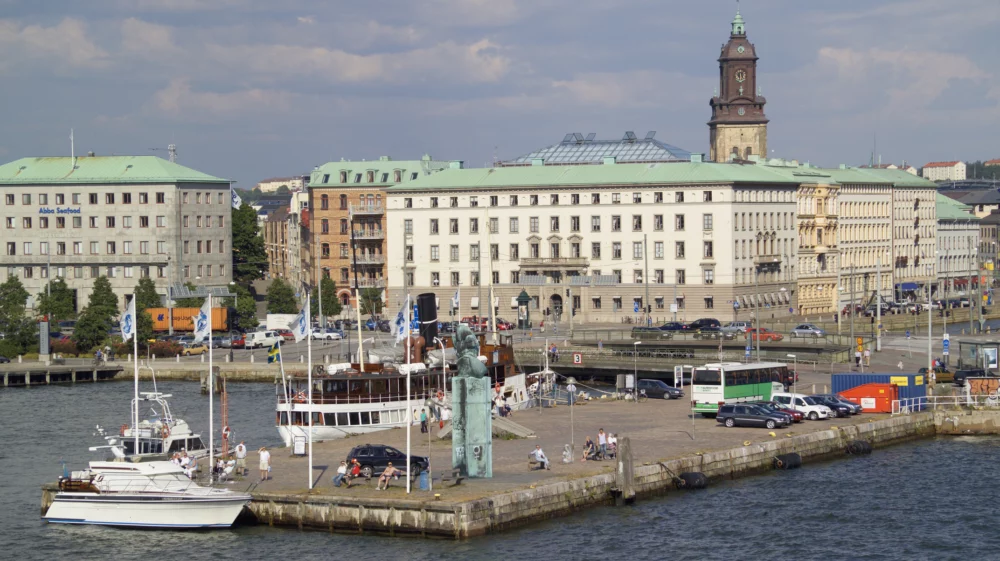
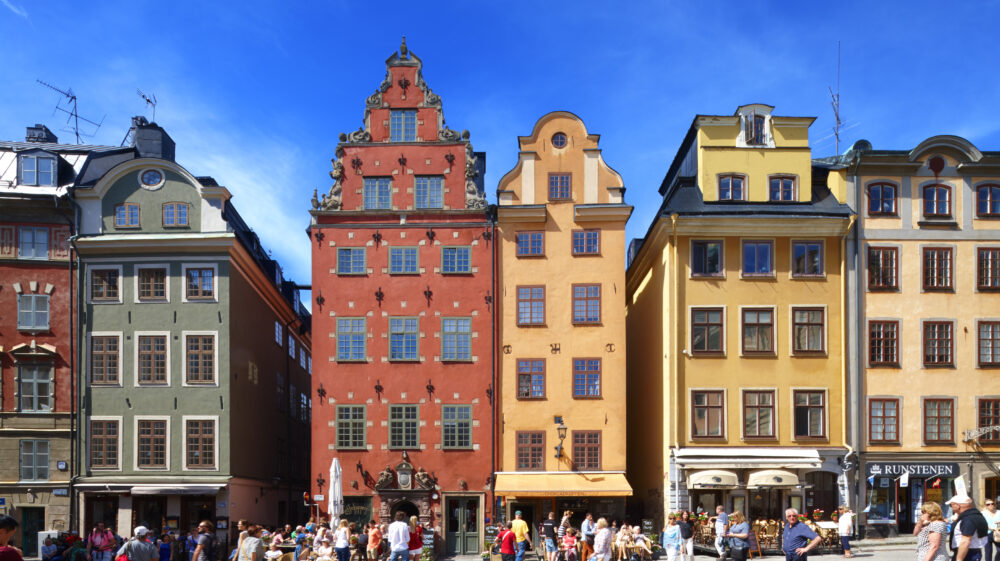
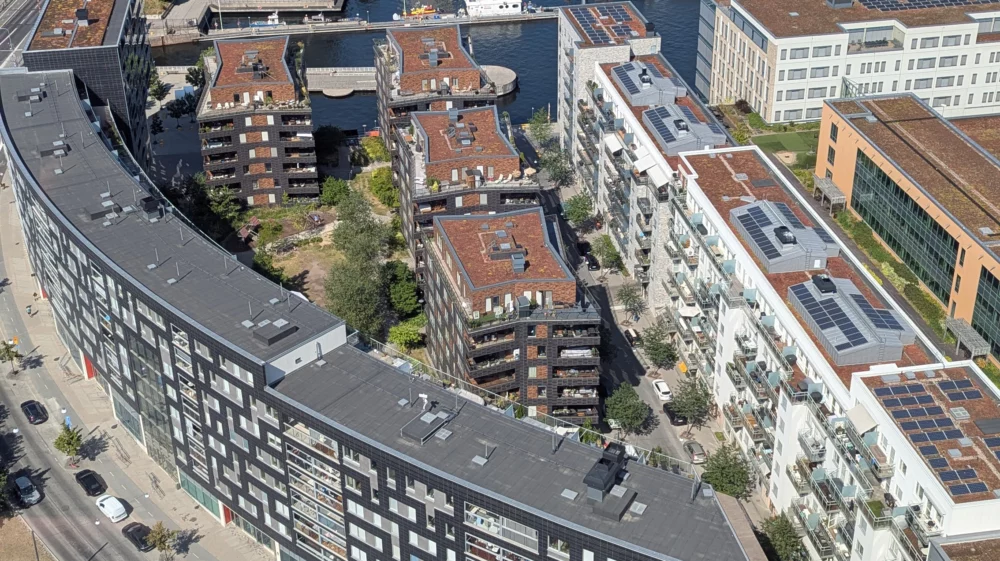
The impacts of climate change are primarily felt at the local level, and communities play a central role in adaptation. The RISKSEC 2.0 project studies risk governance and securitization in four European municipalities.
To succeed, climate change adaptation plans must be anchored in science and local conditions. How climate change adaptation is locally framed, whether through risk or security logics, carries implications for the actors involved, tools employed, and resources mobilised.
While the securitisation of climate change is well-documented at national and international levels, the way securitisation affects local-level governance and adaptation is much less known. The RISKSEC 2.0 project seeks to bridge this gap by analysing opportunities for complementarity between international, national and local adaptation efforts. This involves both positive dynamics, such as shared understandings and coherent action, and negative dynamics like conflicting perspectives and local disempowerment.
In addition to a literature review, the RISKSEC 2.0 project examines climate change adaptation in four European municipalities: Dordrecht (the Netherlands), Halmstad (Sweden), Stavanger (Norway) and Bergen (Norway). The aim is to explore whether local strategies are driven by risk or security narratives.
With this understanding, decision-makers at all levels of governance can make more informed decisions and identify the best adaptation approaches for their community.
Graphic: University of Stavanger.
Feature / A RISKSEC2.0 workshop highlighted innovative local climate change adaptation strategies from four European cities.
Journal article / This study shows how riskification shapes climate adaptation in European cities, prioritizing risk management over transformative change.
Journal article / This article explores the climate adaptation discourse and its impact on the making and implementation of adaptation strategies in Sweden.
Journal article / This article asks whether climate change adaption bears the markings of a securitized response, and if so, what type of securitization it reflects.
Journal article / This article explores securitization trends in Swedish climate adaptation policy from 2005-2022.
Past event / SEI joins the Climate Week in New York to highlight global leadership and finance solutions for accelerating the transition to net zero industry.
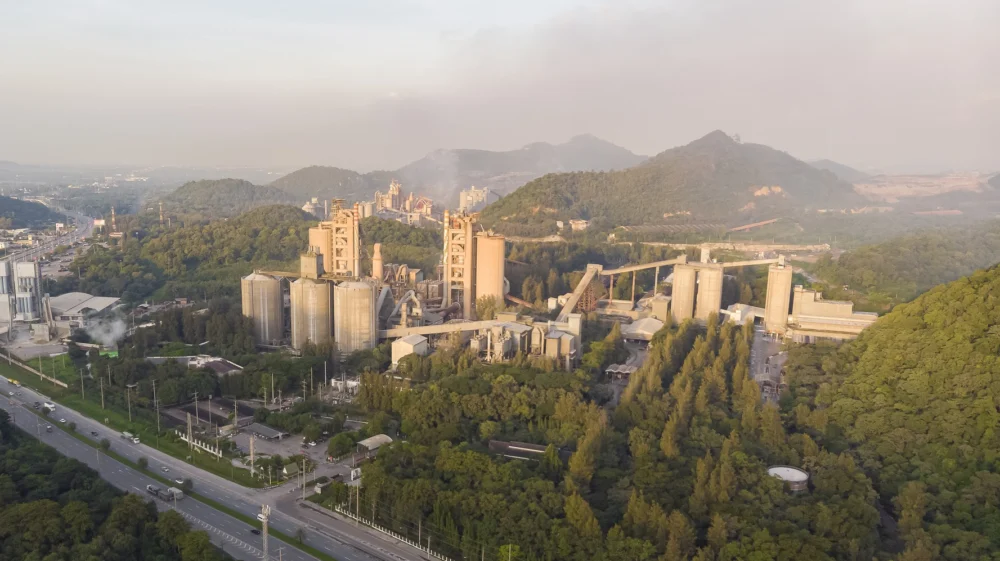
Press release / One of the world’s oldest construction materials, clay, could help deliver lower-carbon cement, according to a new report from LeadIT.
Journal article / The authors use the iSDG-Sweden system dynamics model to study the impacts and dynamics of combined degrowth policies in a high-income country.