Resource-Oriented Sanitation in Emergencies (ROSE) aims to provide guidance for implementing a more systematic approach to ensure enhanced sustainability of sanitation provision in emergency camps, with emphasis on resource recovery and sustainable resource management.
Providing safe and sustainable sanitation in emergency camps is a huge challenge, considering the needs for quick response, socio-cultural diversity of the affected population and the shifting nature of the camps over time. An often neglected but critical area for sustainability is the natural resource management. Many widely implemented sanitation solutions are potentially producing unfavorable impacts on the natural resource base, e.g. high drinking water consumption and contaminated discharge of wastewater to surface and groundwater.
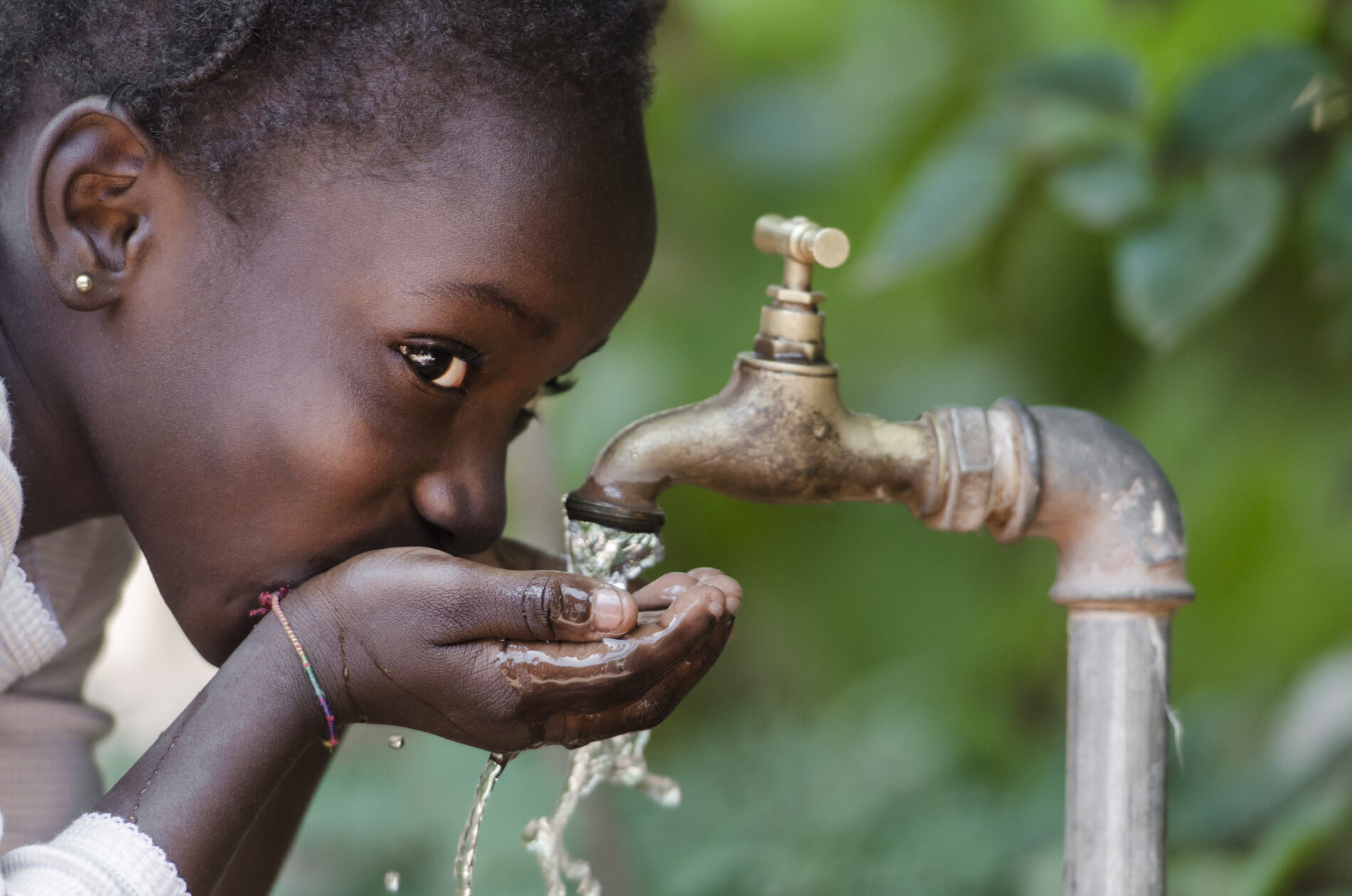
Photo: borgogniels / Getty Images.
The main components of the project, developed in collaboration with the Swedish Red Cross, will be developing, describing and comparing different resource-oriented sanitation technology-chains for emergency camps.
These technology chains will cover all desirable functions along the entire sanitation value chain. When these technical components are aggregated the service level and the functionality of the system will increase, which also can contribute to the provision of additional benefits (e.g. public health, water- food- and energy securities, and job creation).
There will also be a sequential dimension in this evaluation to ensure the sanitation development can respond to the changing nature of the emergency camp, covering the transition from rapid emergency response and into more permanent solutions.
Key tasks/deliverables are:
Initiative / This initiative gathers SEI’s work in sustainable sanitation, bringing together research, capacity-building and policy support.
SEI brief / For sanitation policy to succeed, there is a need for the right institutional environment and the right governance structures.
Event on 28 October in Yerevan / Armenia faces waste disposal challenges alongside potential for resource recovery. We explore how to recover valuable resources and reduce pollution.