English treescapes face increasing existential risks from multiple threats. However, resources to address these are based on limited “value at risk” estimates. This is despite the fact that trees, woods and forests hold rich social and cultural values.
Photo: Tom Wheatley / Unsplash
Treescapes are associated with a broad range of social and cultural values, but quantifying these values and putting economic estimates on them presents a challenge to researchers and policymakers. Working with information gathered from a representative panel survey of 5000 people, the authors of this paper aimed to improve upon current financial estimates of social and cultural values.
The researchers introduced a novel “anchor value” method to help build an overall economic estimate of the social and cultural values of UK treescapes. They also used traditional calculation methods such as “Willingness to Pay” and “Travel Cost” to better understand the desire to maintain those values where trees may be impacted by pests and disease. Using their new methodology, they found that the total economic value of the social and cultural values of UK treescapes ranged from £7 billion to £10 billion per year, far higher than current estimates.
The authors credited previous qualitative research with underscoring the importance of the social and cultural values of UK treescapes; now they aim to raise debate about how social and cultural values can be better accounted for, and how approaches for calculating them can be further refined.
Journal article / Researchers developed a method for quantifying the social and cultural values of treescapes, creating a composite measure which can be used by policymakers.
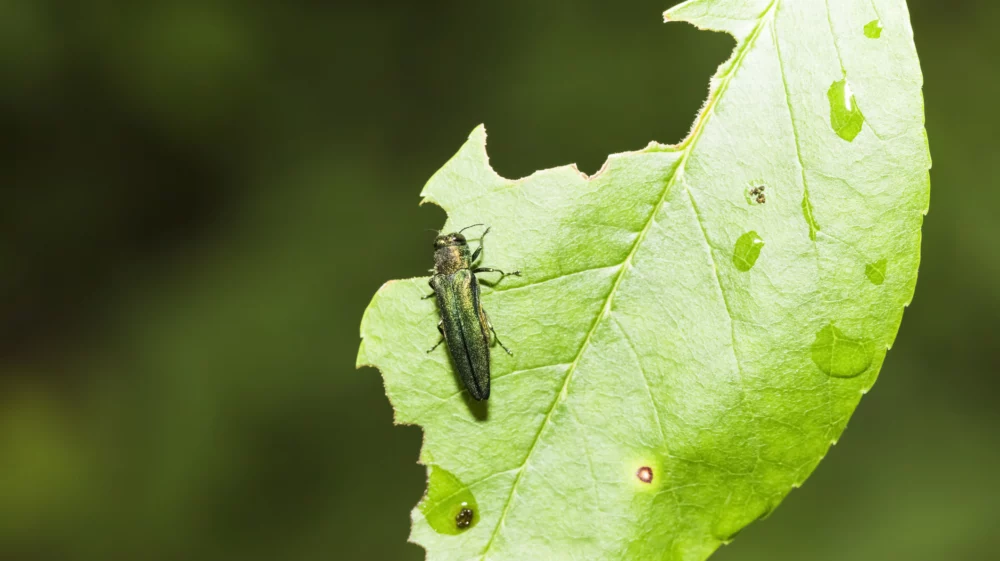
Journal article / Researchers have developed a surveillance map for emerald ash borer beetles in Great Britain, with potential applications for both governments and stakeholders.
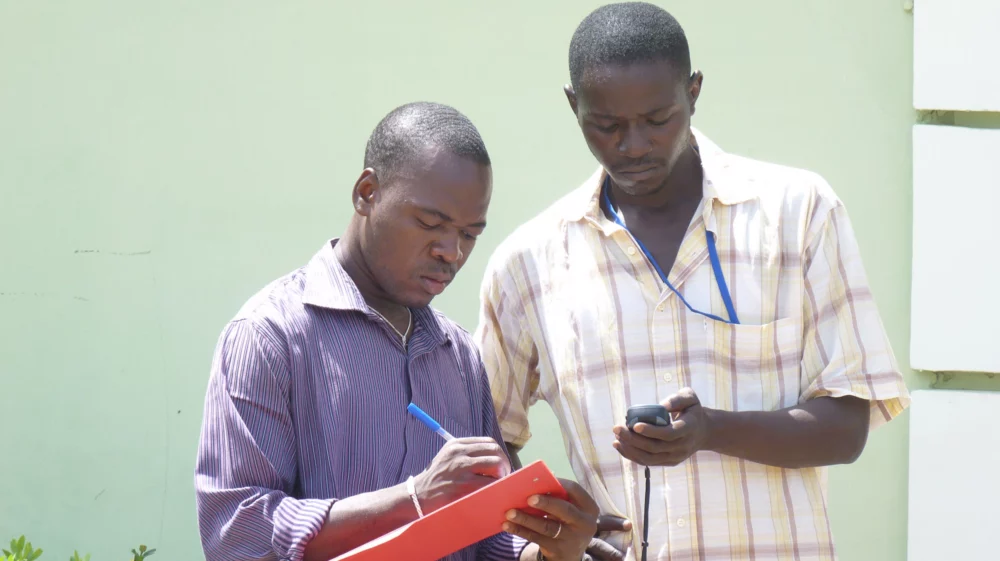
Journal article / Reflecting on projects conducted in Kenya and Thailand, researchers have produced a six-step methodology to support others using citizen science approaches.