This article (in Russian) sets out the causes and consequences of Central Asia’s various sustainability risks.
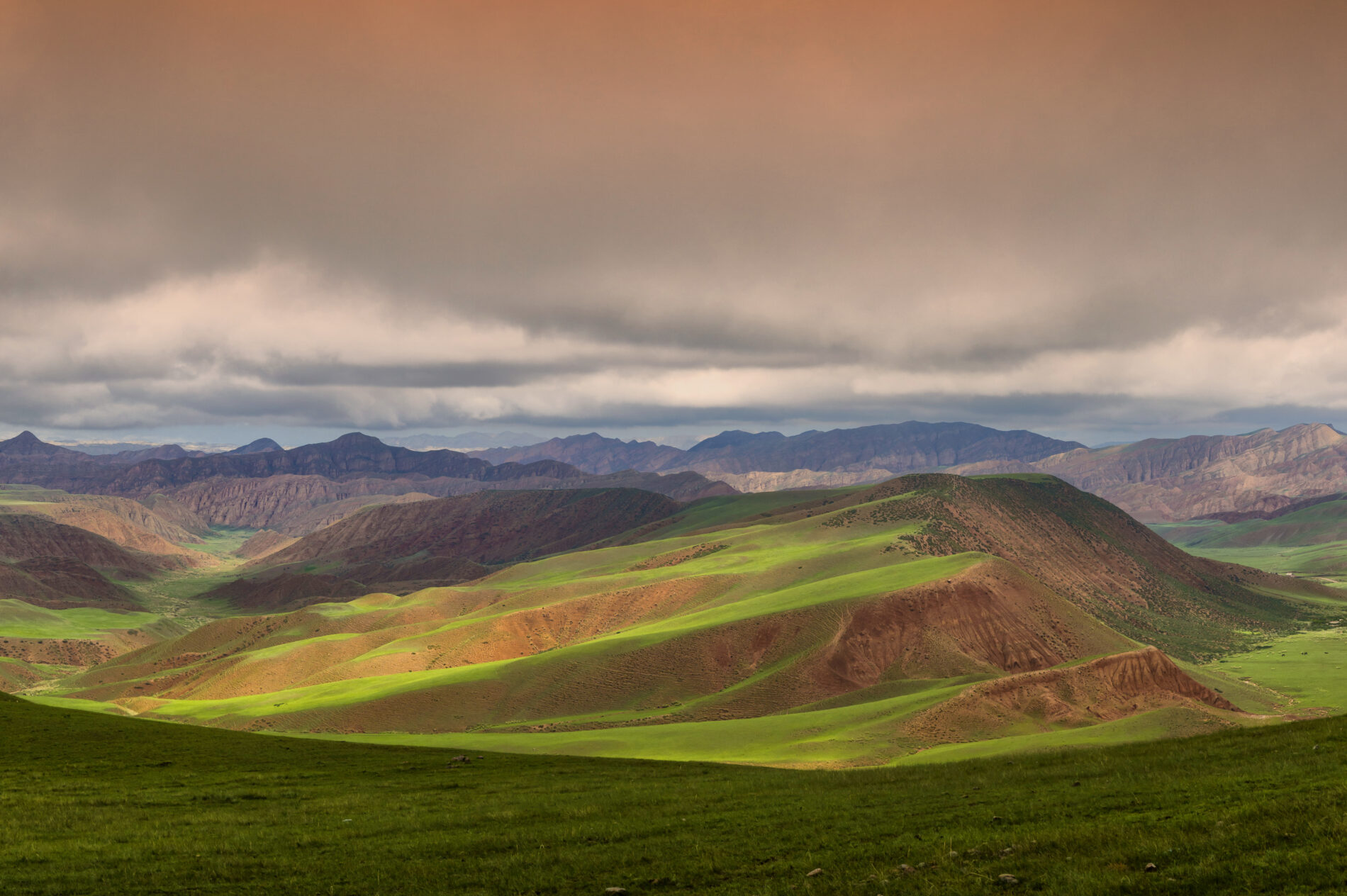
Mountains in Kyrgystan. Photo: Evgenii Mezentsev / Getty
Central Asia is seen by many as the crossroads between Europe and Asia. What happens here has profound implications for the wider area, including Russia, China and the European Union. These three powers have overlapping spheres of influence in the region; geopolitical interest is intense and rapidly evolving, set against the backdrop of China’s rise, Russia’s assertive post-Soviet regionalism and the mixed results of EU‘s soft power engagement and influence in Central Asia.
Today Central Asia faces numerous challenges. It is environmentally, socially and politically vulnerable and its future is highly uncertain. The newly independent states – Kazakhstan, Kyrgyzstan, Tajikistan, Turkmenistan and Uzbekistan – inherited a number of fragile ecosystems, but lost the common governance framework for managing common problems. They also found themselves locked in to various unsustainable agricultural and resource-based practices.
Against this background, the likely impacts of future climate change add an additional – and powerful – layer of uncertainty and risk. This is especially the case for indirect impacts of climate change – impacts that are transferred from one country to another, for example via shared water resources, supply chains and population flows.
Feature / SEI answers six key questions about air pollution and business ahead of Climate Week NYC, highlighting reporting, data and why clean air makes economic sense.
Other publication / The 2026 global economic assessment for climate and clean air action highlights the costs of inaction. Each year of delay could cost over USD 1.5 trillion.
Project / The project supports the preparation of climate and energy action plans for the Estonian municipalities of Saku, Kiili and Lääne-Harju.