Editor’s choice
Editor’s choice
This research proposes a framework for facilitating the identification and selection of responses to cross-border climate impacts.
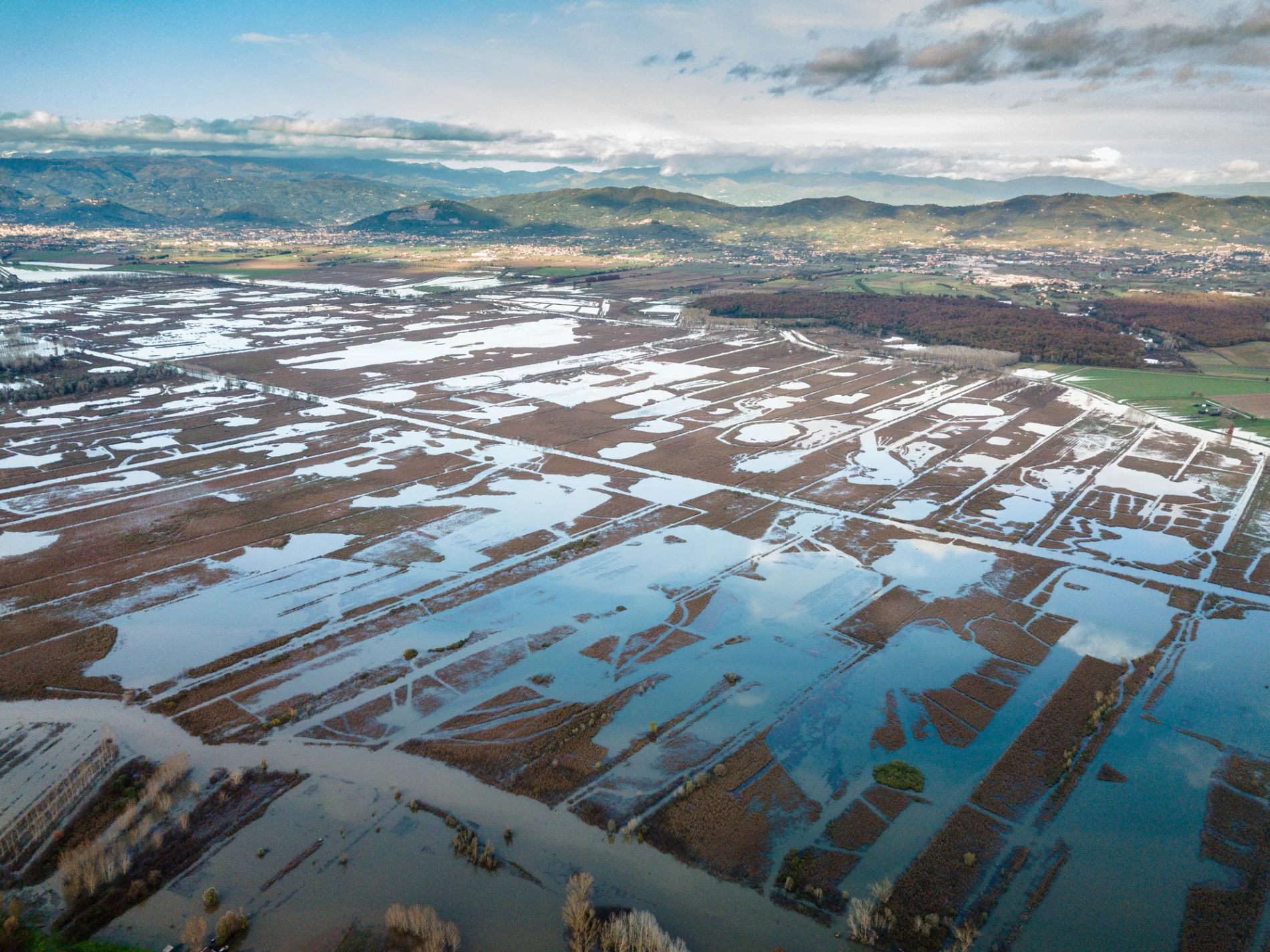
aerial view of an italian countryside after the flooding
Photo: franckreporter / E+
Climate change adaptation is most often defined as a local and national governance issue. While the scientific literature recognizes the potential significance of cross-border climate impacts, adaptation responses and strategies are mostly confined within tightly defined sectoral contexts or specific geographical regions. These approaches overlook transmission of impacts across sectors and borders and fail to lay the groundwork for systemic adaptation responses and cross-scale solutions for resilience building.
The authors propose a conceptual framework for identifying and analysing different types of responses to cross-border climate impacts. The response framework provides typologies of cross-border climate impacts and responses and define different configurations of actors who may respond to impacts. A set of alternative governance approaches are then proposed to address different types of cross-border climate impact, potentially minimising undesirable consequences of adaptation responses. The framework offers a sequence of steps to assess historical responses and map policy gaps and under-represented response types, enhancing the design and implementation of adaptation strategies in future.
The authors applied the framework to a historical example, the food affordability crisis in 2010, and a hypothetical case of a global food security crisis in future. It can be concluded that the framework enhances understanding of responses to cross-border climate impacts and inform policy of a range of response options and governance approaches to reduce and manage risks based on the nature and dynamic of impacts, the level of cross-scale coordination and governance capacities.
Project / CAScading Climate risks: towards ADaptive and resilient European Societies – an EU H2020 project assessing the interconnected impacts of climate change.
Project / This project aims to critically examine how the dynamics of geopolitics, human security and global environmental change interrelate.
Project / CASCADE aims to deepen understanding of complex and cascading climate health risks in African cities, and co-produce knowledge to respond to these risks.
Other publication / This overview of the development, financing and commercialization of CCUS in Sweden finds that most initiatives remain at the R&D, feasibility or pilot stage.
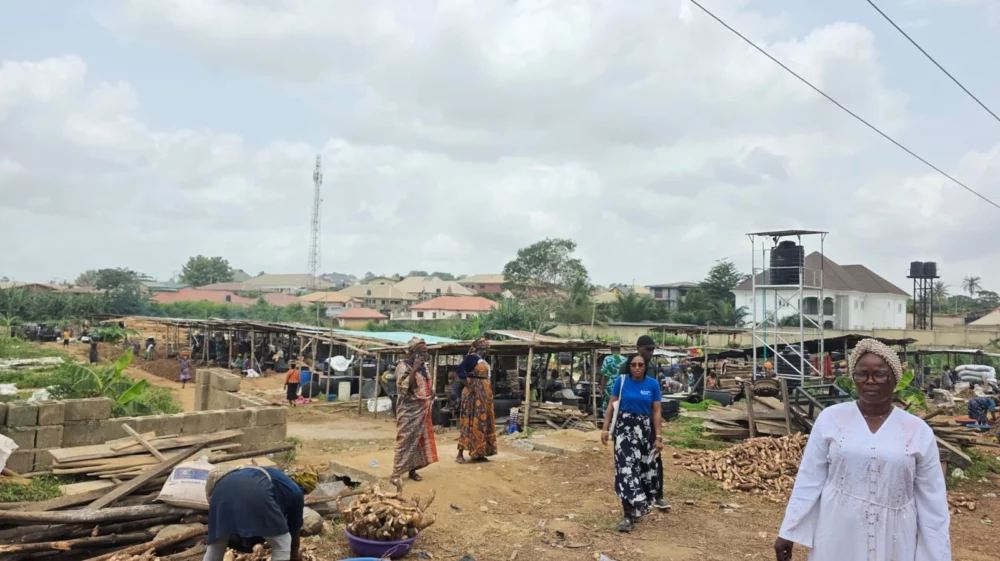
SEI brief / This brief examines how improving information exchange may help cassava processors in Nigeria can help them address the water and energy challenges they face.