Environmental sustainability initiatives in the Mexican beef sector can be considered “embryonic”, that is, small-scale, individualized and emergent. In this paper, Flores-Martínez explores how key supply-chain actors, the beef farmers themselves, are taking sustainability governance into their own hands.
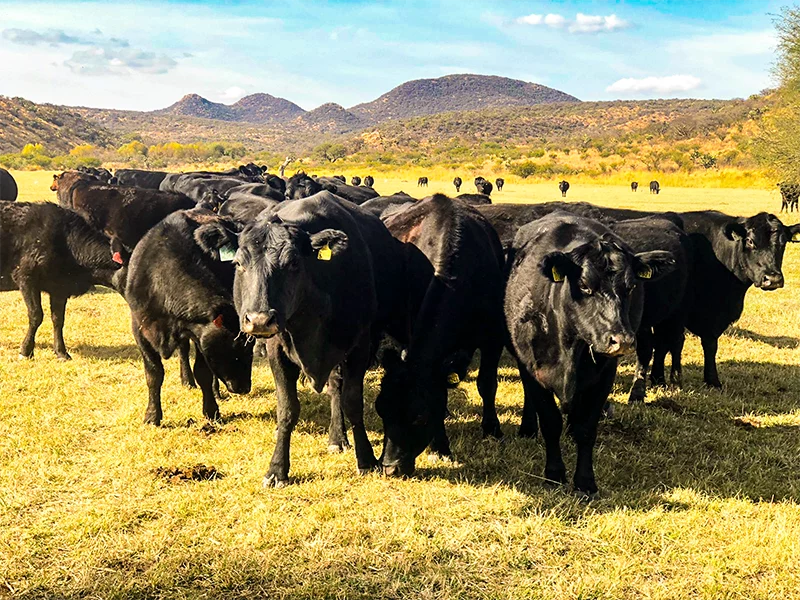
Beef cattle on a small farm in Jalisco, Mexico.
Photo: Erick Rodriguez / Universidad Nacional Autónoma de México (UNAM)
Commodities like soybeans and palm oil have been subject to high profile, sector-wide environmental initiatives and multi-stakeholder commitments to address their environmental footprint. Beef, despite its comparable impact, has yet to receive such sustained attention.
Addressing this gap, Flores-Martínez maps the structure of the beef value-chain in Mexico, exploring the drivers and barriers behind a group of environmental sustainability initiatives in the sector. Though Mexico frequently ranks as among the top 10 global leading beef production nations, the sustainability governance of the sector is still in its infancy.
Flores-Martínez investigates which stakeholders are driving the design and implementation of environmental upgrades for the sector and how these activities define what sustainability looks like for Mexican beef. She finds that though sustainability standards for many agri-food commodities are heavily determined by global buyers’ preferences, the four sustainability initiatives she investigates receive less influence from such stakeholders.
Ultimately, the Mexican beef chain offers examples of environmental upgrading via horizontal governance processes rather than the archetypal vertical (top-down) cases. Importantly, momentum for change is being driven by upstream stakeholders engaging in horizontal or bottom-up sustainability governance processes tightly steered by environmental NGOs.
An open access version of the paper is available on the University of York’s Research Database.
Go to the menu on the right-hand side and click the link titled “Flores-Martinez P Embryonic upgrading in agri-food value chains. 2026” to download.
Journal article / Due to increasingly hybrid approaches in sustainability governance, researchers will need to attend to both chain and out-of-chain actors in their assessments.
Journal article / Biodiversity metrics are complementary: research questions and indicator choice must be paired appropriately to draw the most useful conclusions.
Other publication / In this report SEI, Trase, WWF and Chalmers University lay out the drivers of Amazon deforestation in agricultural supply chains.