Trees with sufficient nutrition are known to allocate carbon preferentially to aboveground plant parts. This global study of 49 forests revealed an even more fundamental carbon allocation response to nutrient availability.
Forests with high-nutrient availability use 58 ± 3% (mean ± SE; 17 forests) of their photosynthates for plant biomass production (BP), while forests with low-nutrient availability only convert 42 ± 2% (mean ± SE; 19 forests) of annual photosynthates to biomass. This nutrient effect largely overshadows previously observed differences in carbon allocation patterns among climate zones, forest types and age classes.
If forests with low-nutrient availability use 16 ± 4% less of their photosynthates for plant growth, what are these used for? Current knowledge suggests that lower BP per unit photosynthesis in forests with low- versus forests with high-nutrient availability reflects not merely an increase in plant respiration, but likely results from reduced carbon allocation to unaccounted components of net primary production, particularly root symbionts.
Read the article (external link to journal)
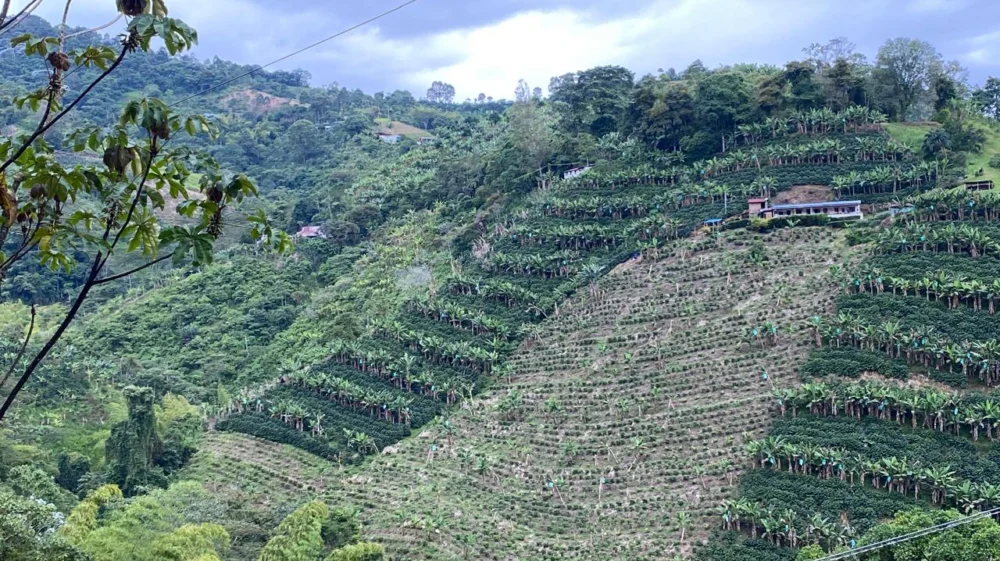
Feature / Coffee grower José María González Salazar is trying to preserve trees and crystal clear water through agroecology and multifunctional landscapes.
Media advisory / SEI invites journalists to a media briefing where its experts will share their perspectives on key topics ahead of the UN Biodiversity Conference (COP17).
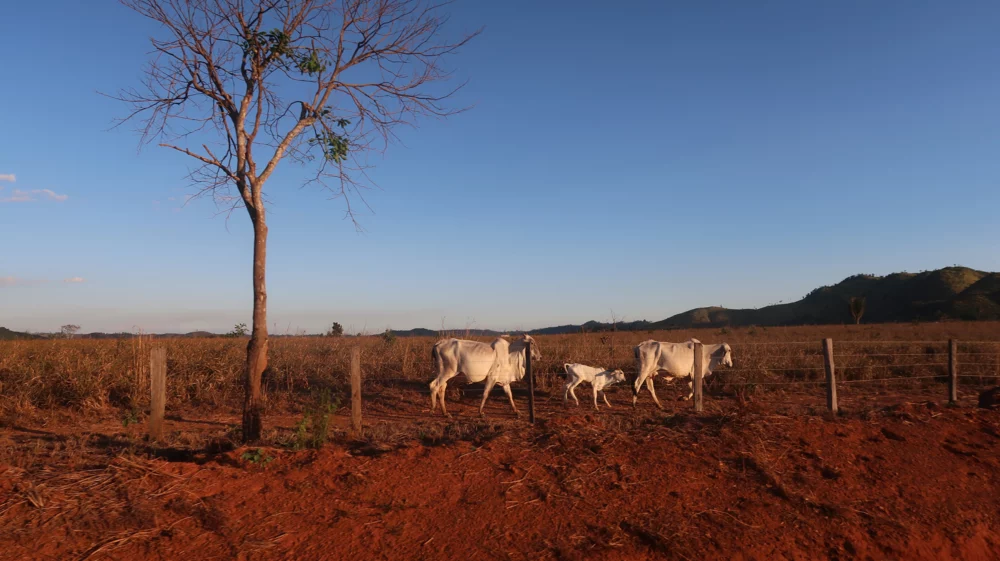
Journal article / This research explores how cattle ranching shapes the transition from forest frontiers to large-scale agriculture in the Brazilian and Colombian Amazon.