part of Citizen Science
This paper provided recommendations for microbiology citizen science projects. Among other key recommendations, the authors encourage prospective citizen science practitioners to be aware of time and ethical considerations, to keep sampling methods simple but robust, and to get creative to maintain participant engagement.
The study of microbes presents exciting opportunities to contribute towards the Sustainable Development Goals. As underscored by the American Society for Microbiology, microbes “know no borders” and their tolerance for extreme environments indicates their potential to help address the global polycrisis.
Citizen science (CS) methods offer innovative ways to do microbiology research. Though the practice of CS has gained traction over the past two decades, its adoption in microbiology is limited. To improve the prospects of CS in microbiology, the authors of this paper discussed how CS and microbiology align well: microbiology presents clear relevance to people’s lives, and CS gives participants a stake in real-world impacts.
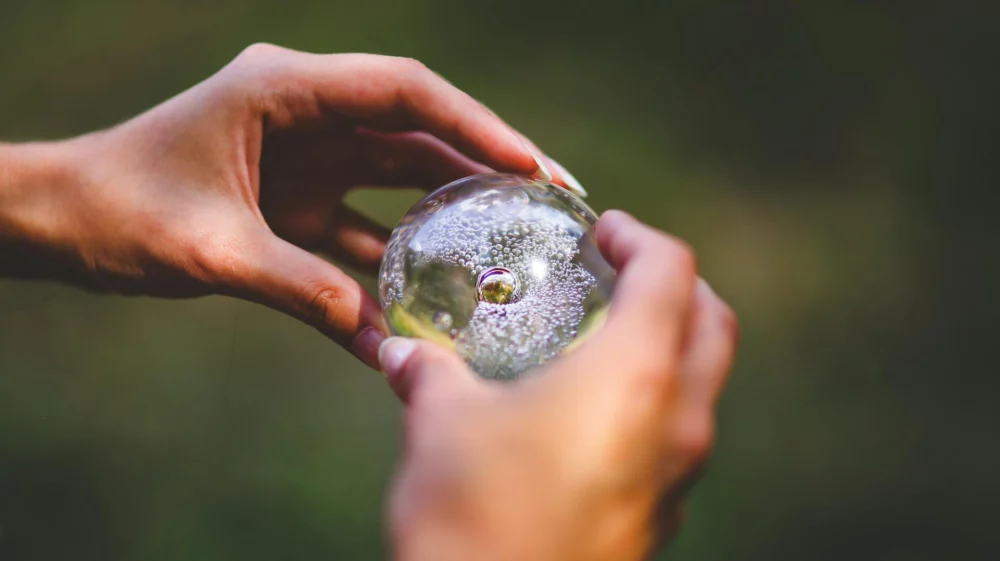
In one CS project, participants undertook research on chopping board use and its subsequent impact on a chopping board's microbiome.
Photo: Brian J. Tromp / Unsplash
In this paper, the authors reflect on three pilot projects:
Each project had its own successes and challenges and the authors discussed their learnings in detail. The researchers had successes with creating simple, low-cost methods to collect samples via participants, and student helpers gained scientific experience which assisted with their future careers. However, a common issue for all three projects was participant recruitment: unintended clashes with participants’ schedules due to procedural delays and/or the impacts of the Covid-19 pandemic were keenly felt.
The paper contains eight key recommendations which can be explored in depth, but the team offered two broad advisory notes to improve uptake of CS methodologies. Firstly, the authors urged those who review standard grant applications to be more accepting of the costs involved in using CS methods. Second, the authors experienced significant bottlenecks when seeking ethical approval from institutions not well-versed in CS work. They suggest that these institutions streamline their processes or bring in external expertise so as not to delay projects.
Journal article / Reflecting on projects conducted in Kenya and Thailand, researchers have produced a six-step methodology to support others using citizen science approaches.
Journal article / For human health and environmental quality, planning for "invisible" environmental functions is just as important as including "visible" environmental features.
Journal article / This paper shares learnings from a discussion on co-creation practices across Europe, which we led at the 2024 European Citizen Science Association conference.