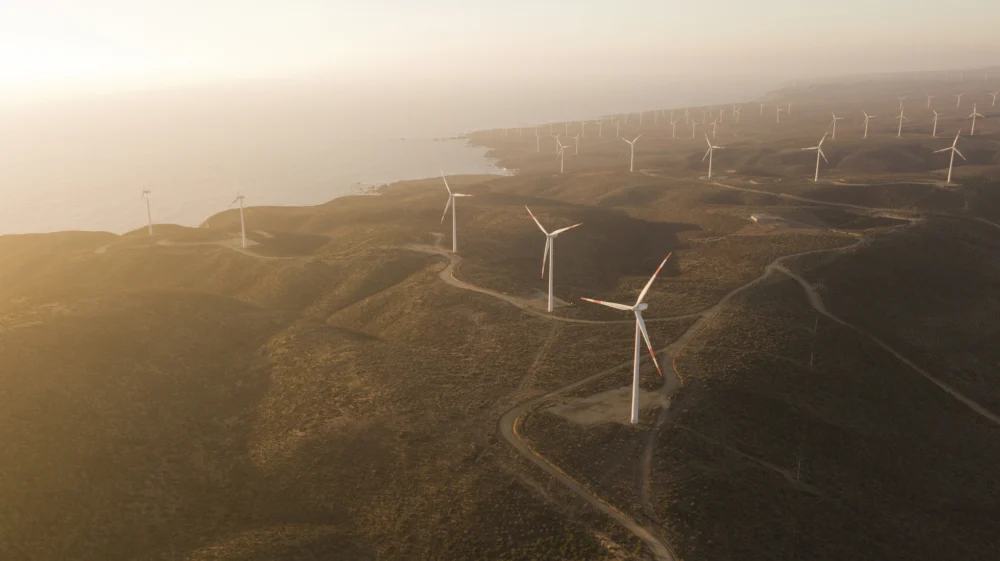
Development assistance provided by the Section for Energy at the Norwegian Agency for Development Cooperation supports several UN Sustainable Development Goals, with a focus on renewable energy in Sub-Saharan Africa. A report by researchers from SEI’s Finance for Sustainable Development Program highlights the challenges of affordability and profitability in energy access, stressing the importance of effective coordination and planning for sustainable economic growth in developing countries.
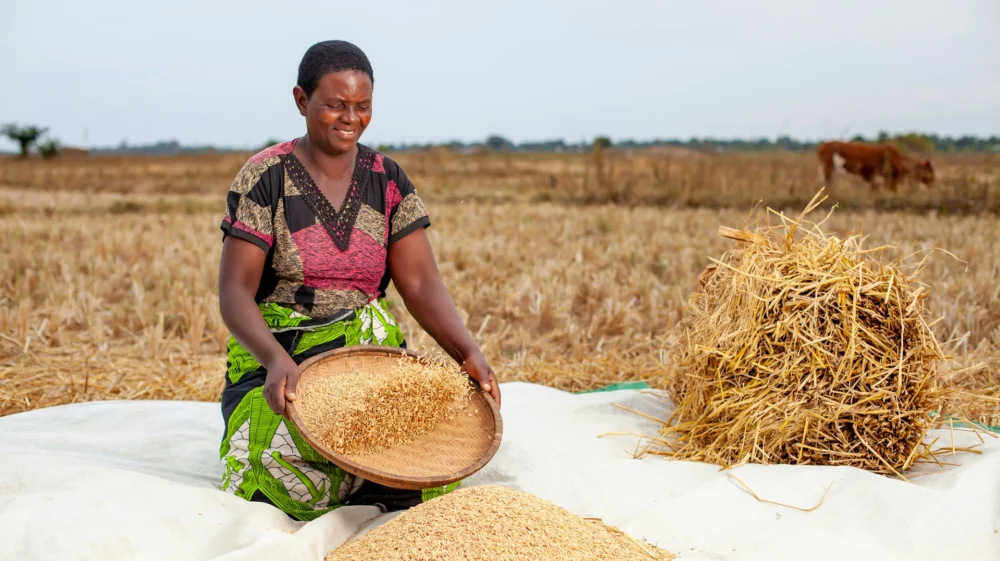
Photo: Daniel Duma / SEI
The energy assistance provided by the Norwegian Agency for Development Cooperation (Norad) contributes to several of the UN Sustainable Development Goals, particularly Goal 7 on access to energy, Goal 13 on climate action, and Goal 16 on improved governance.
The Stockholm Environment Institute, commissioned by Norad, has conducted an analysis of the available and relevant knowledge base for Norad’s support to renewable energy. The source material is global and not limited to studies of Norwegian aid.
The report, completed in January 2025, is a meta-study that summarizes relevant research and reviews to document what works and what the challenges are within the various parts of energy assistance, with a focus on Sub-Saharan Africa. The report is divided into production of renewable energy, transmission and distribution, access to grid-based electricity, access to decentralized energy solutions (e.g., solar power systems), access to clean cooking solutions, as well as knowledge sharing, capacity development, and policy reforms. The report is structured around a theory of change, which describes how aid finances goods and services that, under certain conditions, generate positive outcomes for target groups, and are expected in the long term to lead to positive societal development.
The report provides many examples of successful energy aid programs that have achieved results and led to positive development, even though it is often difficult to measure the direct effects of individual interventions. An overarching conclusion is that access to modern energy is a necessary but not sufficient condition for sustainable economic growth in developing countries. At the same time, the report points out that a major challenge is that many consumers in Sub-Saharan Africa cannot afford to pay for electricity, and that investments therefore often are not profitable. Facilitating profitability in the energy sector in developing countries is thus important to avoid increasing foreign debt and to ensure economic development. Good coordination between donors, the partner country’s authorities, and private actors, as well as good planning of aid-funded measures, is crucial.
One-SEI program / Our mission is to help accelerate the allocation of capital to sustainable economic activities.
Other publication / This research highlights the need to treat social viability as a core part of renewable energy planning, investment and implementation.
Feature / SEI collaborated with Sustainable Food Systems Ireland to develop the Malawi Food Systems Transformation Tool using the SDG Synergies platform.
Journal article / This journal article explores the effects of different cooking fuels, stoves and greater environment on users' air pollution exposure.