This article examines the localization of the Sustainable Development Goals (SDGs) as a mechanism to organize and communicate sustainability work. It argues that operationalizing the indivisibility of SDGs can be regarded as strategic approach to manage synergies and trade-offs effectively.
Evening view of central Örebro
Operationalizing the indivisibility and integrated nature of the UN 2030 Agenda poses a complex governance challenge. Although research has advanced the understanding of SDG localization and interlinkages, important gaps remain. In this paper, the authors depart from these two strands of literature by asking how synergies and trade-offs manifest in localized SDG programs and what governance opportunities, challenges, and recommendations this may bring.
It was found that the SDGs provide a platform to organize and communicate local sustainability work but that organizational realities will drive prioritization of goals considered connected and synergistic, such as SDG4, SDG9, and SDG11, which stand in contrast with global assessments of interlinkages. In line with emerging literature on the strategic effect of the SDGs on governance, the authors argue that the ethos of indivisibility serves as an important heuristic for civil servants and policy makers beyond prioritizing or reporting progress on global goals.
Project / This project aims to critically examine how the dynamics of geopolitics, human security and global environmental change interrelate.
Journal article / This research examines how the Folke Bernadotte Academy navigates competing demands for accountability and adaptive partner-oriented practices in peacebuilding.
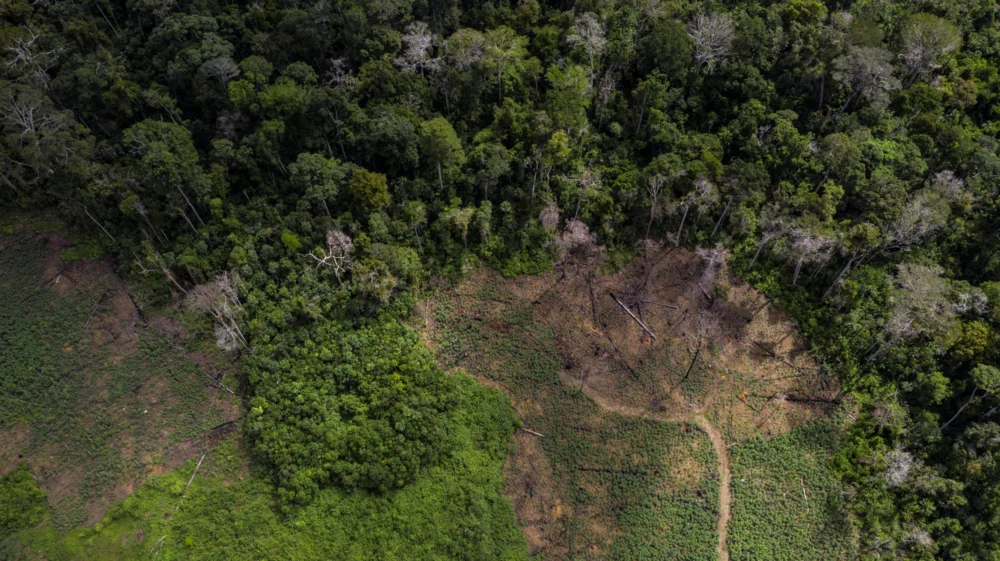
Press release / As El Niño intensifies across the Amazon, new research in Science highlights the urgent need to better protect the region’s remaining forests from disturbances.
Past event / SEI joins the Climate Week in New York to highlight global leadership and finance solutions for accelerating the transition to net zero industry.