part of Citizen Science
In this paper, the authors evaluate the success of Parenting Science Gang, a parent-led citizen science (CS) project in which participants were supported by researchers to explore questions they had about parenting. The authors use results from pre- and post-surveys to examine the project’s impact on participants’ knowledge, confidence, and science capital.
Though there were some obstacles, Parenting Science Gang did achieve its overall aim of being parent-led and parents enjoyed being part of the work.
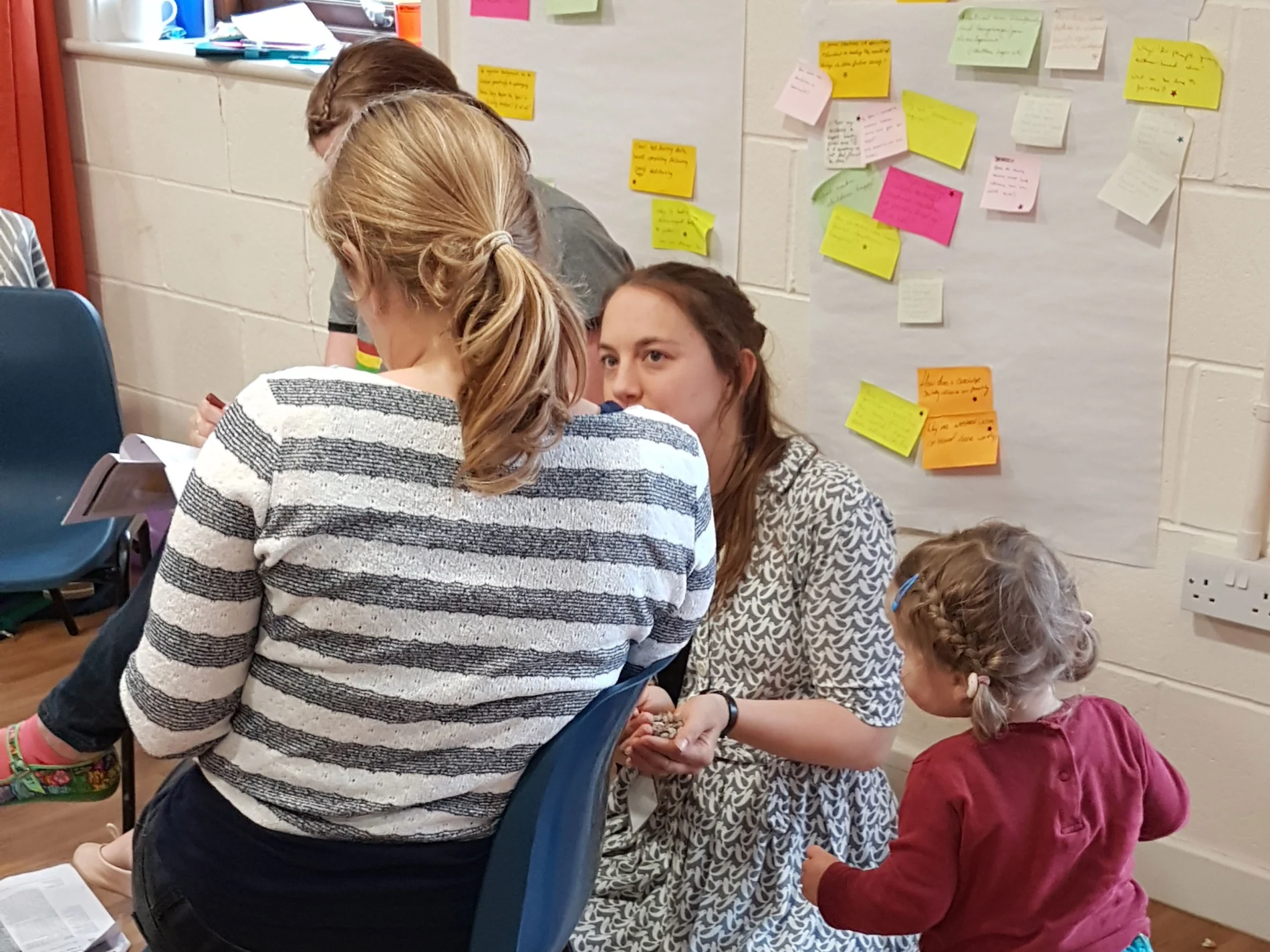
Photo: Rebecca Brueton
In the participant-led Parenting Science Gang project, groups of parents – supported by professional researchers via Facebook – designed and ran studies to answer parenting questions which were important to them. The researchers provided scaffolding to help parents decide on research questions and methodologies. They also provided support with the collection and analysis of data, and the dissemination of findings.
In this paper, the authors focus on how Parenting Science Gang impacted its participants, and reflect on the extent to which the project achieved its aim of being parent-led. Survey results indicated that, while the project did achieve its parent-led ambition and that many participants enjoyed being part of the work, this was not without obstacles: some participants shared that they found the experience confusing and frustrating. This was in part due to nature of the platform used to host the project (Facebook). However, participants also shared feelings of newly energized relationships with science, and noted that the project had given them inspiration for new career journeys.
The authors’ findings emphasize that CS projects need excellent facilitation and project management. These projects also require significant signposting and scaffolding so that participants can fully engage with the research process at all stages. Both formative and summative evaluation are important for the success of projects such as this.
Event on 10 November / In this third CS Co-labs discussion session we will explore what equitable collaboration looks like in Citizen Science projects.
Journal article / Using Internet platforms to help parents ask questions they wanted answered by scientific research and to build their confidence in assessing research evidence.
Journal article / By observing participatory policymaking activities, researchers found that frames and emotions are mutually co-constitutive.