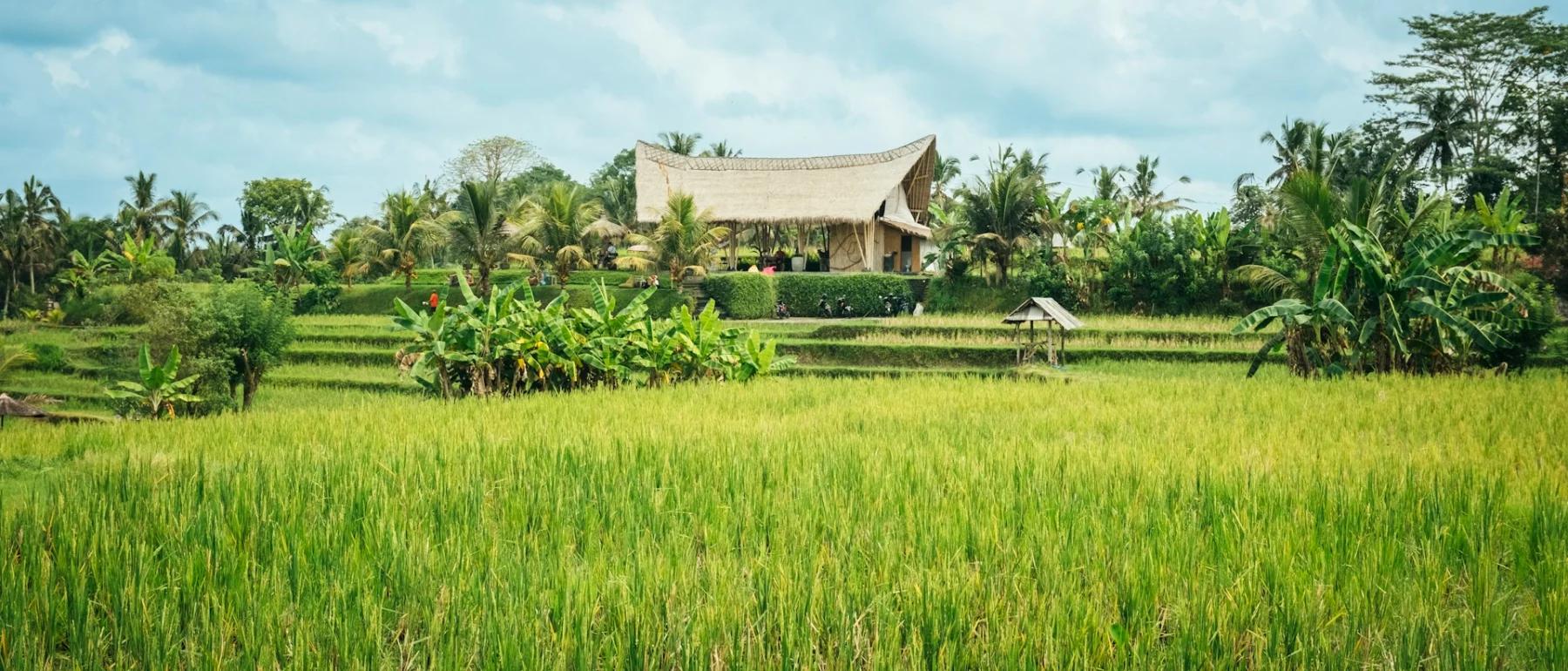
This study specifically focuses on the social dimension, examining the crucial role that affective relationships play in fostering social networks that enhance the resilience of Indigenous farmers within the ricescapes of Indonesia and the Philippines.
A complex interplay of social, economic, political, and agricultural factors influences the resilience of Indigenous rice farming communities. Employing thematic analysis of expert interviews and focus group discussions, complemented by Latent Class Analysis of survey data, the authors identify the social networks upon which farmers depend.
This mixed methods approach enables them to uncover distinct subgroups within these networks that provide support for managing various challenges, assisting with farm tasks, offering financial assistance, and sharing agricultural knowledge.
By delineating these subgroups, the authors advocate for the development of targeted policies that address the unique needs of each group. Recognising and understanding the significance of affective relationships in the formation of social networks is essential for strengthening the resilience of Indigenous farmers, empowering them to navigate contemporary challenges while preserving their cultural heritage.
Press release / New Trase data analysis highlights the need for stronger supply chain transparency as domestic demand grows and export data gaps widen.
Past event / SEI joins the Climate Week in New York to highlight global leadership and finance solutions for accelerating the transition to net zero industry.
Press release / New data from Trase reveals that the majority of the coffee imported globally comes from companies that supply the European market.