The State of the Climate in Kenya, with contributions from SEI researchers, is an annual national report by the Kenya Meteorological Department that tracks Kenya’s climate trends. It compiles data on temperature, rainfall, and extreme events to show how Kenya’s climate is changing and what it means for key sectors like agriculture, water, and livelihoods.
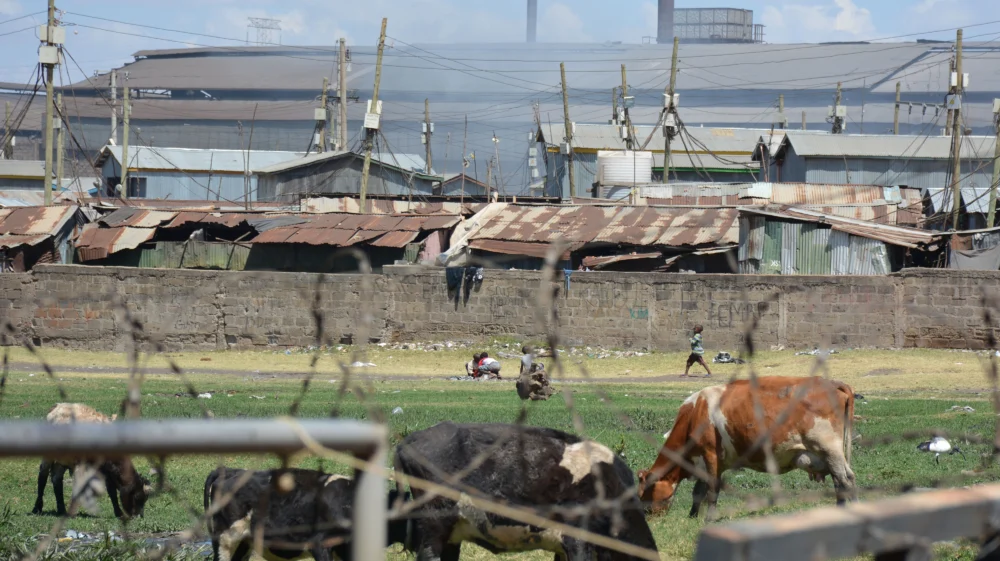
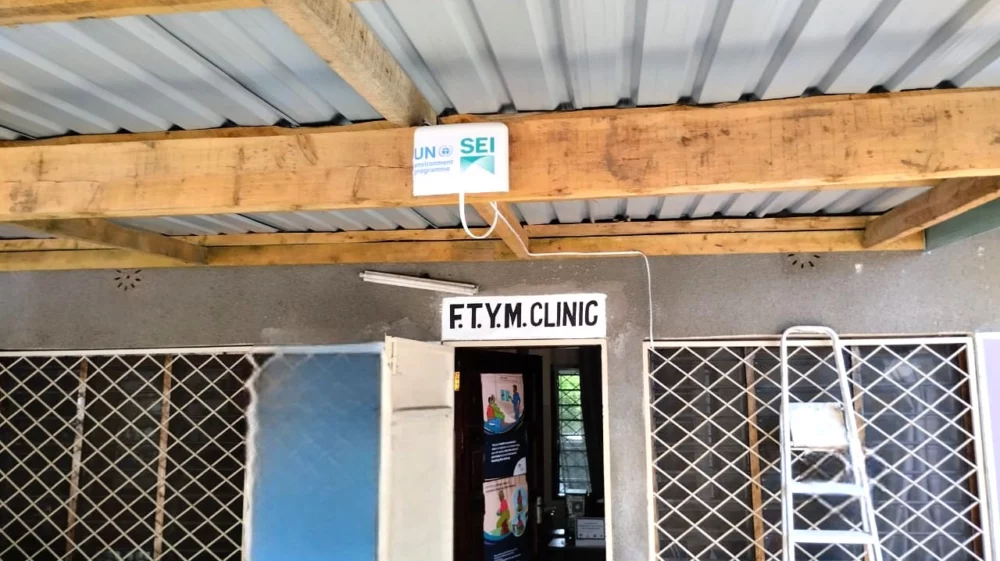
Section 2.6 of the “State of the Climate in Kenya 2025” report, which includes contributions from SEI researchers, analyses the status of air pollution in Nairobi, focusing on fine particulate matter (PM2.5). These aerosols, which are 2.5 micrometers or smaller in diameter, often consist of smoke, soot, liquids or solid particles, or biological matter like mould, bacteria, and pollen. PM2.5 can penetrate deep into the lungs and enter the bloodstream, causing serious health issues such as respiratory diseases, cardiovascular problems, and premature death.
The analysis evaluates yearly averages of PM2.5 levels for 2024 and 2025, allowing for a comparison of pollution between years and locations, and highlighting spatial exposure patterns in the city.
Journal article / "Breathing well" is about more than air quality: cleanliness, population and building density and the presence of vegetation all make a difference.
Journal article / This publication explored how environmental monitoring can help address the mental health needs of vulnerable perinatal adolescents.
Feature / At Nairobi’s Jubilee Live Free Bike Race, partners unite sport and sustainability to champion clean air and healthy cities.