This article examines the challenges of balancing sustainability, competitiveness, and geopolitics in critical mineral supply chains, and discusses governance approaches to address related trade-offs.
Photo: BeyondImages / Getty Images
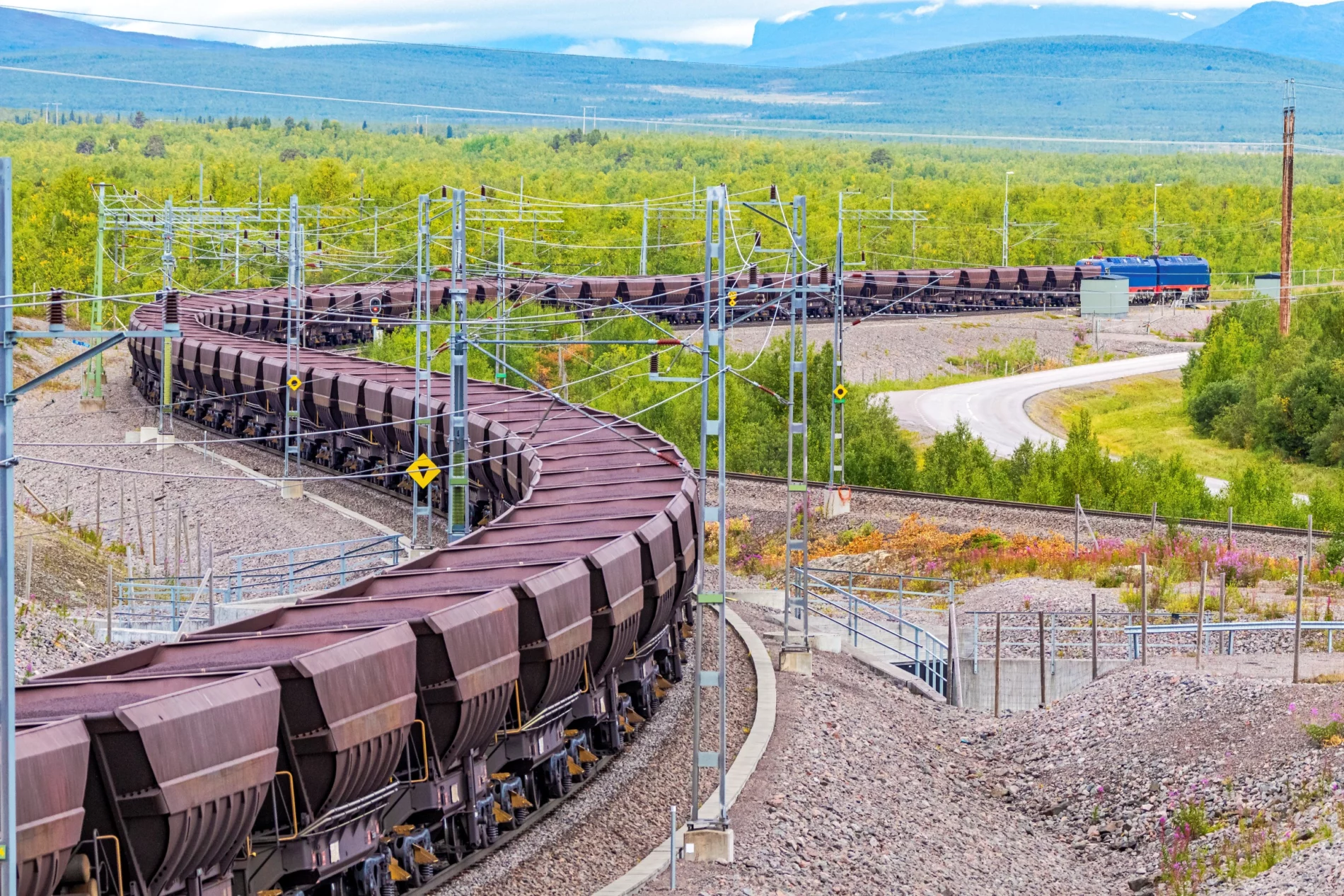
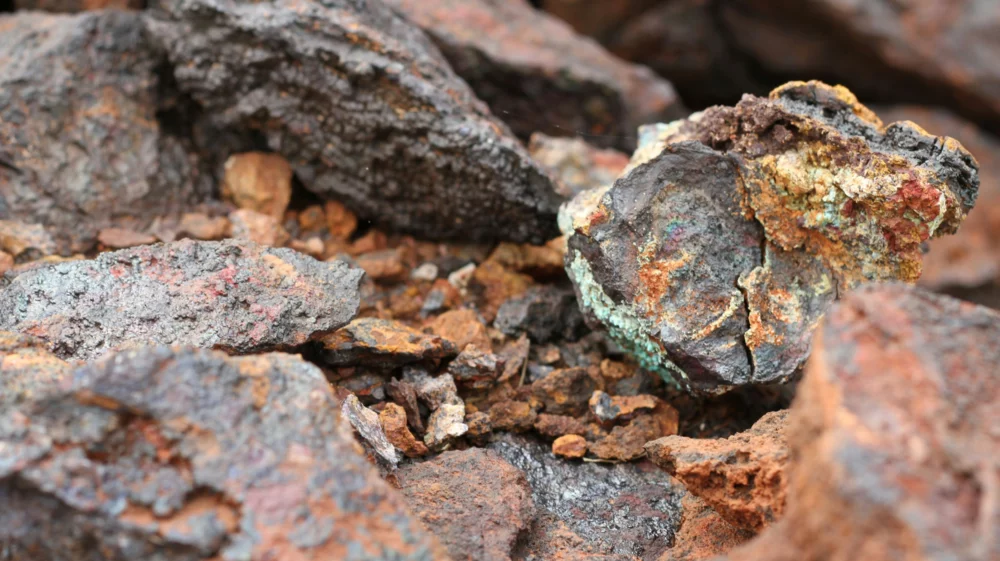
The energy transition is driving demand for critical raw materials (CRMs), creating complex challenges for companies in CRM supply chains. This study examines how firms in Europe navigate the intersecting pressures of sustainability, competitiveness and geopolitical risk, based on interviews with industry representatives. It investigates what motivates sustainable supply chain management (SSCM) practices, the barriers companies encounter, and how evolving regulatory and geopolitical contexts shape their strategies.
While companies increasingly see a business case for sustainability and report structured SSCM efforts, they face persistent constraints such as limited supplier leverage, price competition and import dependencies. Regulatory initiatives like the Corporate Sustainability Due Diligence Directive are driving change, but governance gaps and uncertainty hinder impact. Industry responses reveal that policy goals aiming to reconcile sustainability, competitiveness and geopolitical resilience are difficult to achieve in practice, highlighting the need for more coherent, cross-regional frameworks to support secure and responsible CRM supply chains.
Project / This project aims to critically examine how the dynamics of geopolitics, human security and global environmental change interrelate.
Past event / The race for critical raw materials for clean energy challenges environmental and human rights protections, requiring balanced governance for sustainability.
Media advisory / SEI invites journalists to a media briefing where its leading experts will share their perspectives on the major themes shaping COP31.
Press release / Berget AI releases an open-source method for calculating carbon emissions of every individual AI request, developed with SEI, WattTime and Klimatkollen.