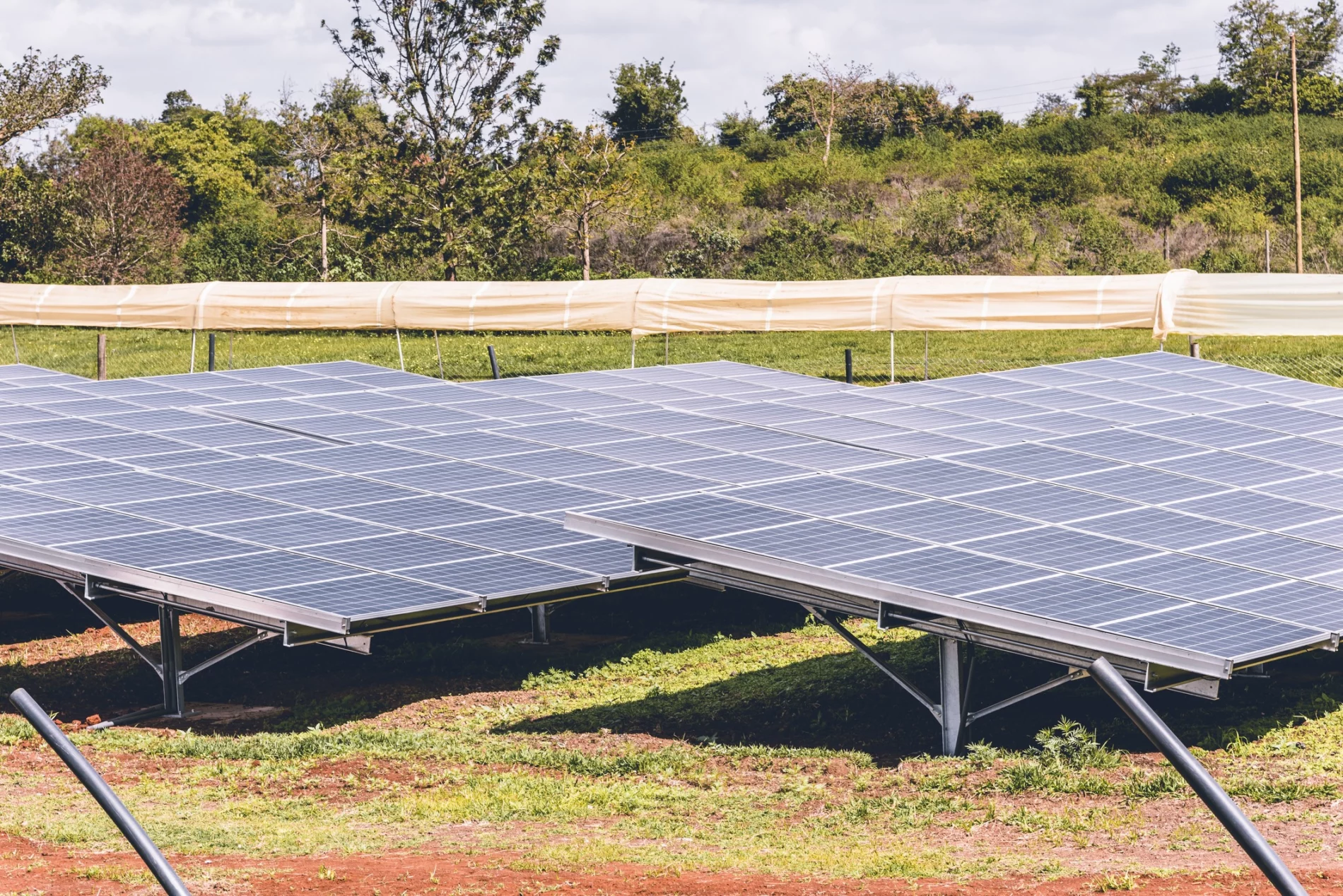
This publication examines how technological advances are driving innovation in mini grid electricity systems in Kenya. Despite their potential to boost rural development, mini grids in Kenya face significant obstacles such as political interference and underdeveloped policies, which hinder investment and innovation.
Photo: Nirian / Getty Images
Accessible and affordable energy services are essential for economic growth and reducing poverty. However, it is estimated that 600 million people in sub-Saharan Africa will still lack access to electricity by 2030. Research indicates that achieving universal access to electricity will require both centralized and decentralized systems. The spread of these technologies involves many different players, including businesses, networks, energy users, and government agencies, all working together within a political landscape to bring about innovation in energy services. Political and economic factors can influence this innovation process and need to be analyzed.
This study focuses on understanding how political and economic factors affect the development of mini grid electricity in Africa, using Kenya as a case study. It uses the Technology Innovation Systems (TIS) framework to analyze these influences. The findings show that, although there are some positive conditions for innovation, political and economic factors significantly hinder the progress of mini grid development in Kenya. Power struggles and vested interests create competition between public and private developers, restricting the sharing of knowledge and information and slowing down the development of mini grids where they are most needed.
Initiative / The Gridless Solutions Initiative explores alternative technologies for the delivery of critical services like energy, sanitation and freshwater.
Feature / Droughts, deforestation, and a growing population threaten the delicate balance of water, energy, and food (WEF) security.
Feature / If everyone in Kenya cooks with electricity in 2030, how did it happen? Our research team co-developed a transition pathway with members of a rural community.
Feature / In this webinar, SEI scientists explain how to use SEI's two flagship modelling tools for integrated analyses of energy and water systems.