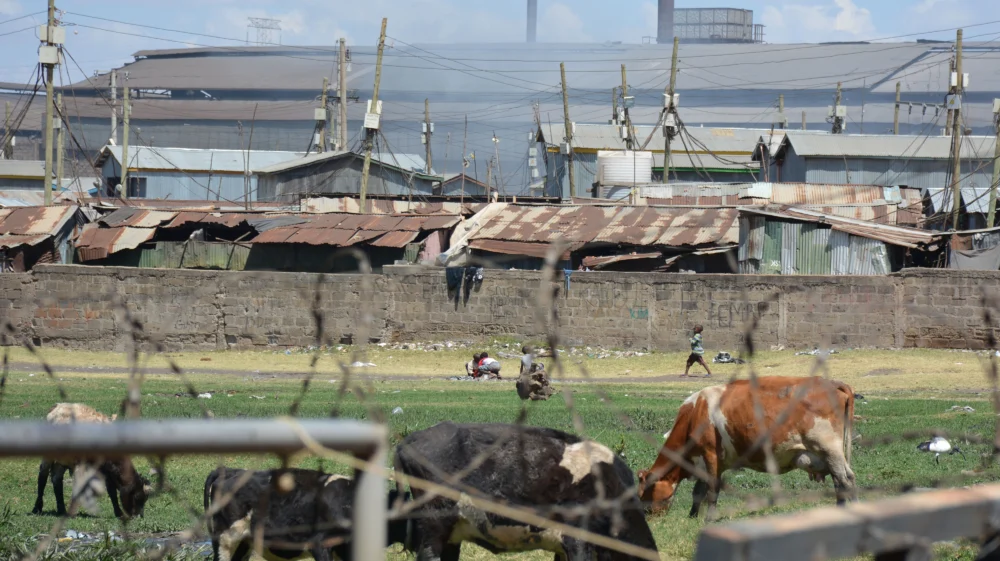
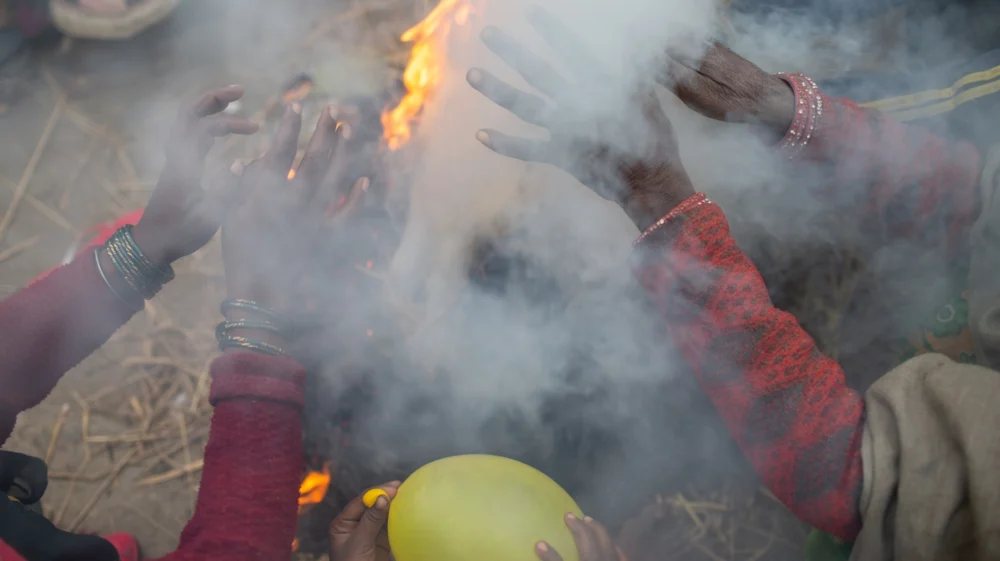
Traditional biomass energy systems are widely used in Africa, mainly because of the low cost and lack of available alternatives in rural areas. Projections indicate that the (relative) contribution of traditional bioenergy will decrease, but that the total use of traditional biomass energy systems will increase during the coming decades. The efficiencies of woodfuel (firewood and charcoal) energy systems are usually low and the use of these systems has serious negative consequences, such as indoor air pollution and related health effects, deforestation and the labour intensive and sometimes dangerous process of firewood collection.
Improvements in stoves, charcoal production efficiency and switching fuels can increase the efficiency by several tens of percent points and thereby reduce the demand for labour for the collection of firewood and the costs. Other advantages of improved traditional bioenergy systems are reduced greenhouse gas emissions, reduced indoor air pollution and reduced deforestation. Various initiatives have been successful in implementing the use of improved household stoves, although the results suggest that the success of improved traditional biomass systems depends on the local conditions and socio-economic impacts of these systems.
Journal article / "Breathing well" is about more than air quality: cleanliness, population and building density and the presence of vegetation all make a difference.
Feature / Discover how air quality research since the 1990s has shaped policy and highlighted the health, economic and social benefits of addressing air pollution.
Journal article / This research examines how changes in population vulnerability and exposure to air pollutants affect global air pollution-related mortality trends.