Editor’s choice
Given knowledge gaps on nature-based solutions (NBS), infectious disease and urbanization, researchers sought to investigate the drivers of infectious disease in a developing city context, the differentiated hazards faced by different groups such as Indigenous and peri-urban communities, and the potential of NBS to reduce hazards while providing ecological and social co-benefits.
Chloe Pottinger-Glass, Uttam Ghimire, Ridhi Saluja, Minh Tran, Jonathan Green, Karina Barquet / Published on 25 February 2025
Pottinger-Glass, C., Ghimire, U., Dotel, S., Rai, A., Saluja, R., Tran, M., Green, J., & Barquet, K. (2025). Exploring the potential of urban nature-based solutions to address infectious disease: a case study in Bharatpur, Nepal. SEI report. Stockholm Environment Institute. DOI: https://doi.org/10.51414/sei2025.011.
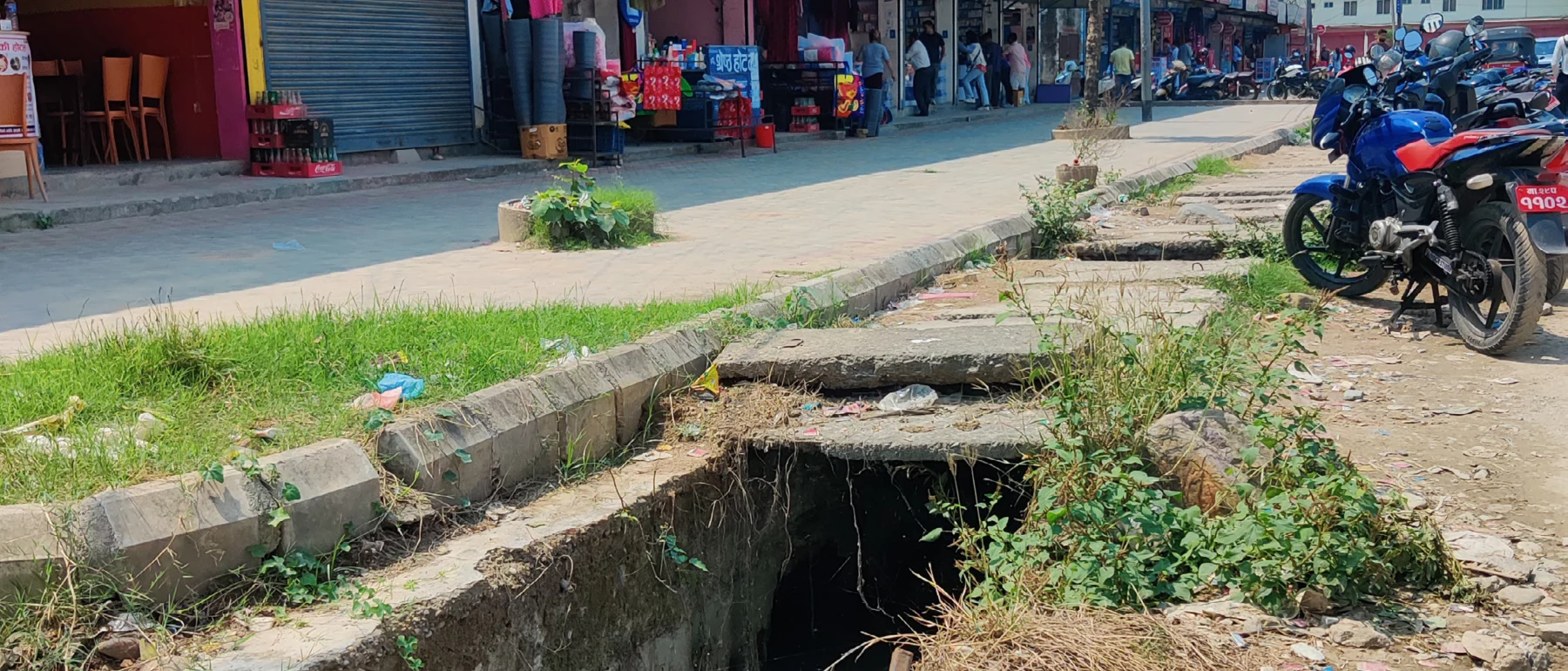
In Bharatpur, Nepal, the project survey found one in five households had been affected in the past five years by the mosquito-borne disease dengue fever (18.4%). Skin infections were the second most reported infectious disease, affecting 11.5% of households. Proximity to garbage disposal sites was found to be associated with incidence of both dengue and skin infections, and lack of adequate sanitation and clean water is a hypothesized driver for skin infections.
Nature-based solutions (NBS) have potential to reduce hazard from infectious disease through filtering water, mitigating flooding and reducing urban temperatures. Local actors participating in project workshops were particularly interested in applying green streets and rainwater harvesting in Bharatpur.
Strengthening solid waste management is recommended as a priority action to reduce hazard from dengue, by increasing collection frequency and ensuring city-wide provision of municipal collection services. Improving piped water supply to peri-urban areas is recommended as a priority action to improve hygiene, reduce skin infections and address critical health inequities among vulnerable populations.
The study emphasizes that to improve public health outcomes from infectious disease, NBS cannot substitute for basic urban infrastructure and services.
SEI report / PDF / 3 MB
Project / Examining the potential of NBS to reduce biological hazard and improve public health outcomes while creating more livable and climate-resilient cities
2023 - 2024 / About Cities
Event on 16 June in Bangkok / SEI and Mekong Institute (MI) will renew their shared commitment for sustainable development and climate resilience in the Mekong Region.
11:30
Project / Through interdisciplinary collaborations between French and English institutions, we aim to better understand how citizen science can foster nature connection.
2026 / About Ecosystems
Event on 23 June – 27 June in Visby / Join SEI experts for the annual Swedish political forum in Visby, as they share their insights on security, ai, climate, energy, oceans and industry transition.
08:00 CEST / Available online