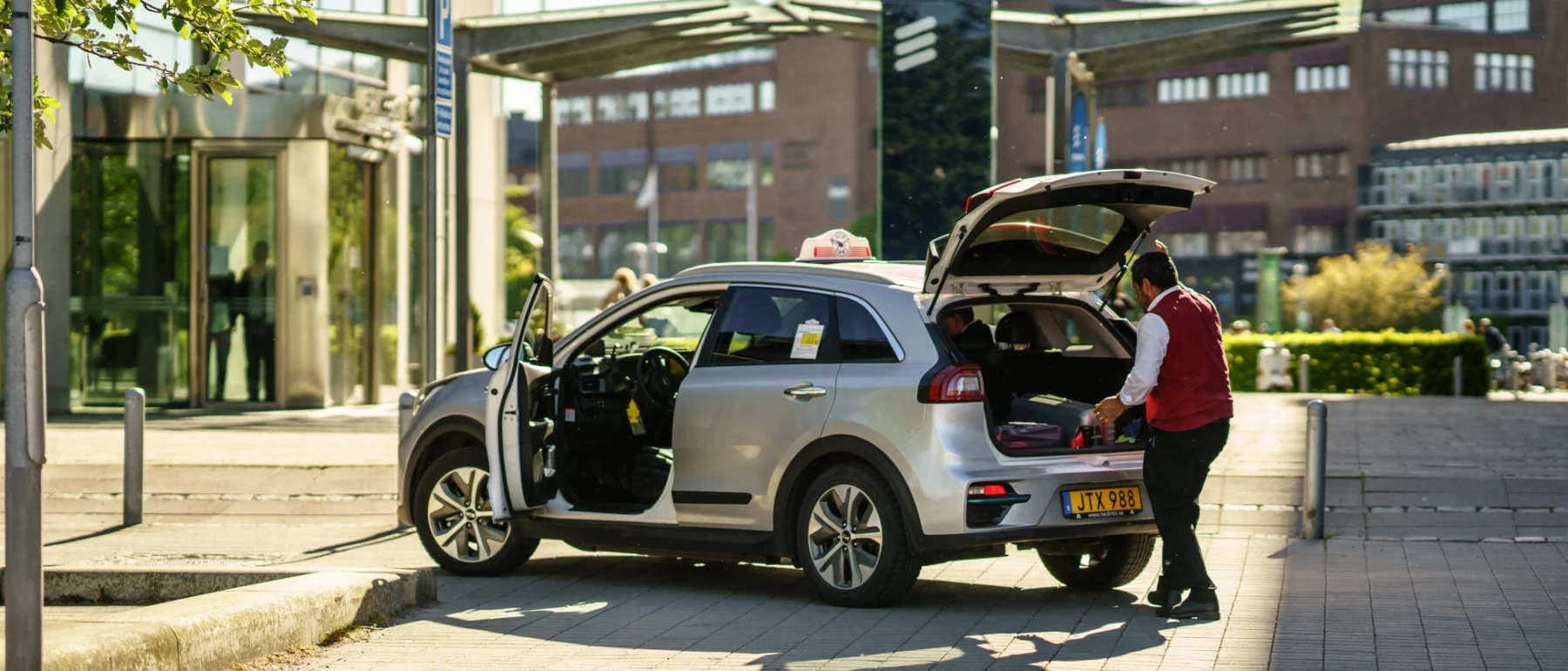
This study examines how electrification, digitalization, and automation in the transport sector affect truck and taxi drivers’ quality of working life in Sweden, highlighting both potential benefits and challenges. The article emphasizes the importance of incorporating drivers’ perspectives into policy decisions to ensure a just transition and improve their wellbeing.
Electrification, digitalization and automation are three trends driving the low-carbon transition of the transport sector. For the transition to be just, it is essential to ensure that those affected by these trends view the changes they bring as acceptable and fair. Transport policy development, however, mostly remains expert-driven. To explore just transitions in the context of transport electrification, digitalization and automation, the authors use Sweden as a case to analyse how taxi and truck drivers perceive the implications of these trends on six aspects of their quality of working life: skill requirements, work organization, job security, identity, safety and health. They also explore how these perceptions vary across dimensions of age, gender and geography.
The authors found several perceived challenges related to skill requirements and identity, though drivers also see the potential for the trends to improve their work environment, safety and performance. However, these potential benefits are not taken for granted. The perceived implications may also raise potential distributional, procedural and recognition injustices, for instance regarding costs of reskilling, drivers’ autonomy and the recognition of drivers’ knowledge. The authors conclude that the technologies can have both positive and negative implications, and it is rather institutional arrangements, social processes, and broader societal and industrial shifts that cause transport workers to question their future in this sector. Incorporating drivers’ insights into decision-making can enhance the drivers’ quality of working life and wellbeing while preserving their dignity.
Project / The JUSTIT project assesses the impact of low-carbon transition on transport workers in Sweden to inform the design of just transition policies and strategies.
Project / Projektet JUSTIT (Just Swedish Transport Industry Transition) handlar om en rättvis omställning för arbetare inom den svenska transportsektorn
Project / This project explores how a lack of access to energy for mobility and transport interacts with energy access in the home impacts quality of life.
SEI brief / An evaluation of the Swedish Social Climate Plan with the Transitional Assistance Framework, with examples from other member states’ proposed plans.
SEI report / This report provides insights and concrete actions to anticipate and mitigate real-world disruptions in electrified bus systems.