Photo: chuttersnap / Unsplash
More than 65% of the world's population are projected to live in urban areas by 2050, with major implications resource use, energy, water and sanitation, and health and well-being. At the same time urbanization can bring benefits, especially efficiency gains. SEI examines these challenges in the round to advance sustainable urbanization.
631 results / 36 of 71 pages
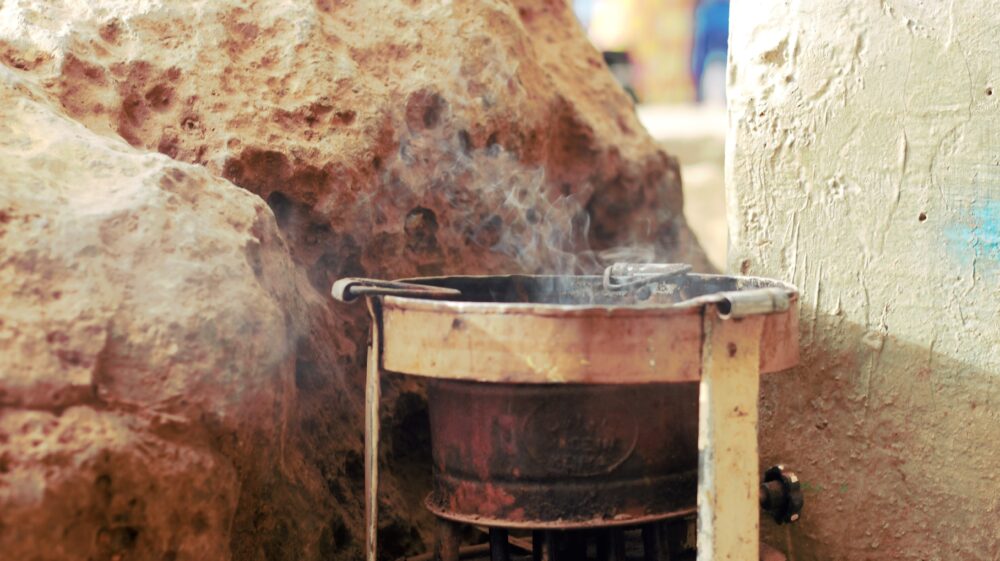
Journal article / Novel co-created transdisciplinary research uses arts and humanities methods to explore air pollution in an informal settlement (Mukuru) in Nairobi, Kenya.
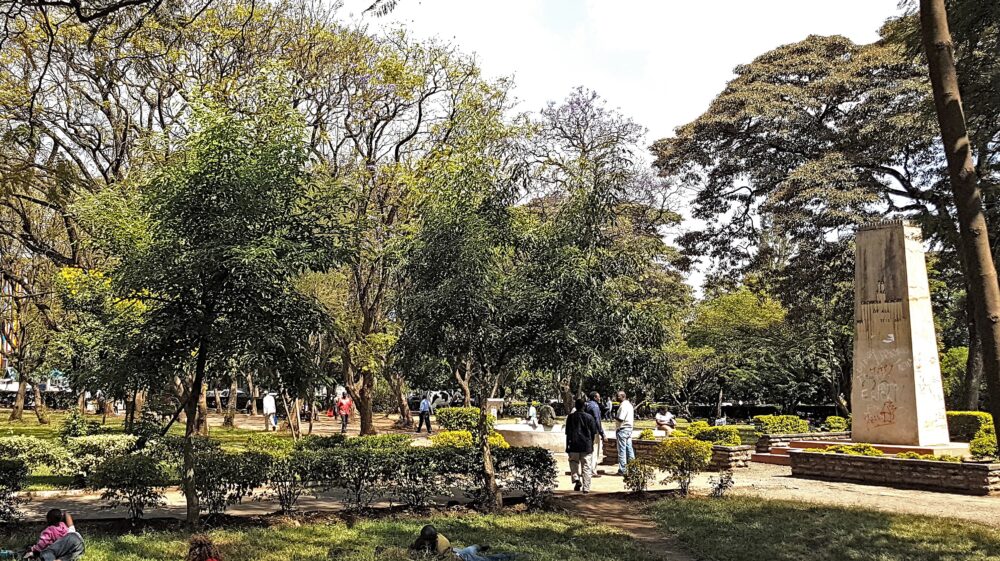
Journal article / This article describes a mixed methods approach to understand inequalities in urban wellbeing in two rapidly changing cities in Kenya and Thailand.
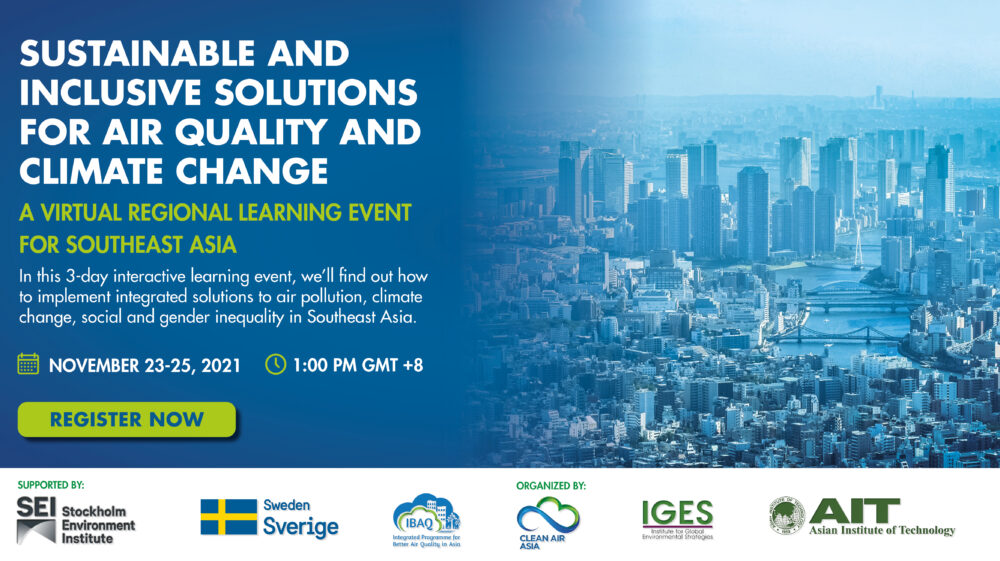
Past event / The event will highlight the need to localize commitments and action to scale-up and address air pollution and climate change.
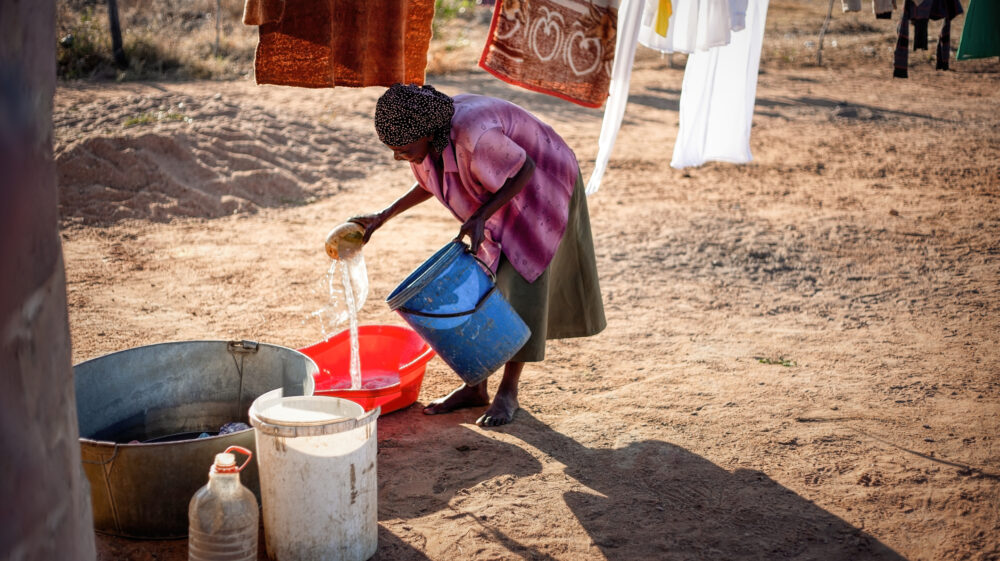
Past event / Welcome to a virtual session on quality of government and access to clean water and sanitation, as part of the AfricaSan 6 conference.
Feature / Explore your city or community's resource recovery potential of urban organic waste streams on the new web-based platform for SEI’s newly launched REVAMP tool.
Perspective / This World Toilet Day, we look at the impact of lack of access to toilets for people experiencing homelessness, especially in times of crises such as Covid-19.
Past event / This conference will bring cities, innovators, investors and other high-profile actors together to discuss specific strategies for reaching climate neutrality.
Media coverage / As COP26 comes to a close, SEI's Chris Malley speaks to BBC Radio York about his thoughts on the conference.
Journal article / To ensure future sustainability, cities need to consider concepts of livability and resident wellbeing alongside environmental and economic development equity.