Photo: chuttersnap / Unsplash
More than 65% of the world's population are projected to live in urban areas by 2050, with major implications resource use, energy, water and sanitation, and health and well-being. At the same time urbanization can bring benefits, especially efficiency gains. SEI examines these challenges in the round to advance sustainable urbanization.
631 results / 42 of 71 pages
Feature / Citizen participation methods can foster a transparent democratic process, while at the same time benefitting municipalities by finding sustainable solutions.
Feature / This factsheet offers some introductory insights into how Swedish municipal governments are financed and what their budgets entail.
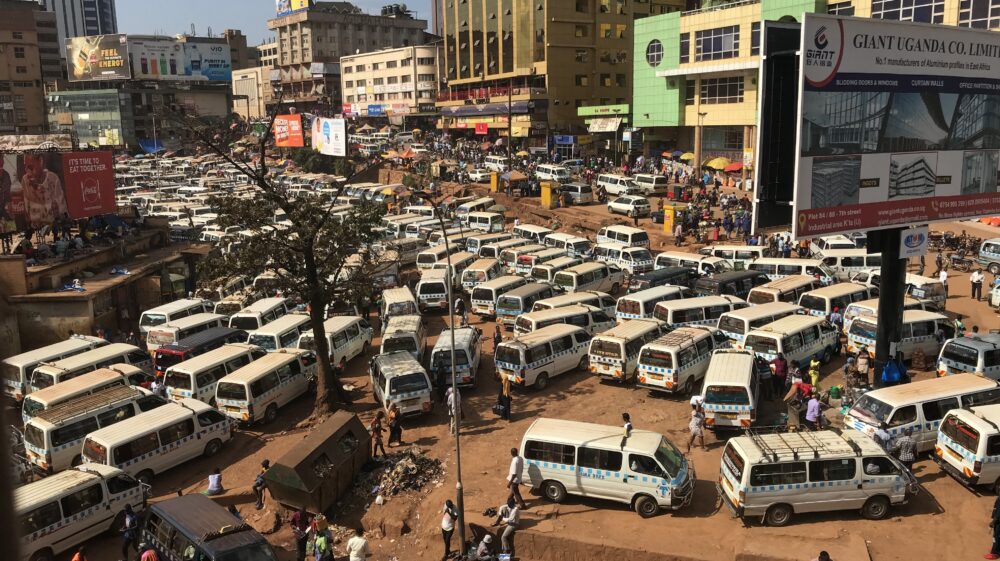
SEI working paper / This paper explores gender issues in East African public transport systems and gender mainstreaming as a way to build more sustainable and inclusive cities.
Perspective / What do practitioners need to be aware of when planning urban green infrastructure using digital tools to engage stakeholders?
Past event / This recorded webinar covers the topic social equity in the context of improving environmental policy in Europe.
SEI brief / This discussion brief examines the relationships between air pollution, gender inequality, social inequity and poverty in Bosnia and Herzegovina (BiH).
Feature / Environmental issues are deeply intertwined with gender equality, social equity and poverty. This is relevant regarding air pollution in Bosnia and Herzegovina.
Project / This project will work on contributing to a reduction in plastic leakage to oceans and a more sustainable environment in India, Kenya and Sweden.
Journal article / Read about the toolkit of games for building learning on resilience among urban low-income communities.