Photo: chuttersnap / Unsplash
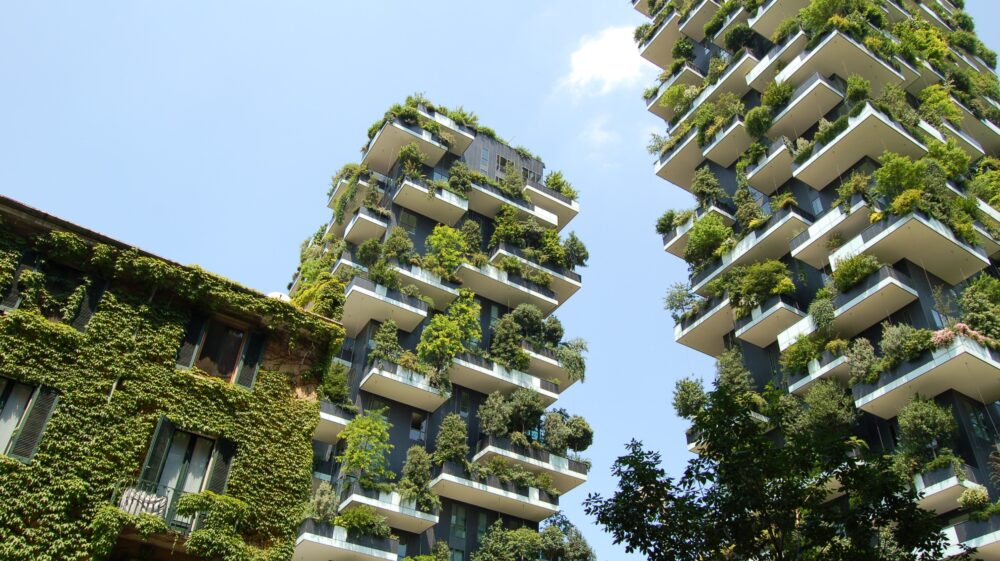
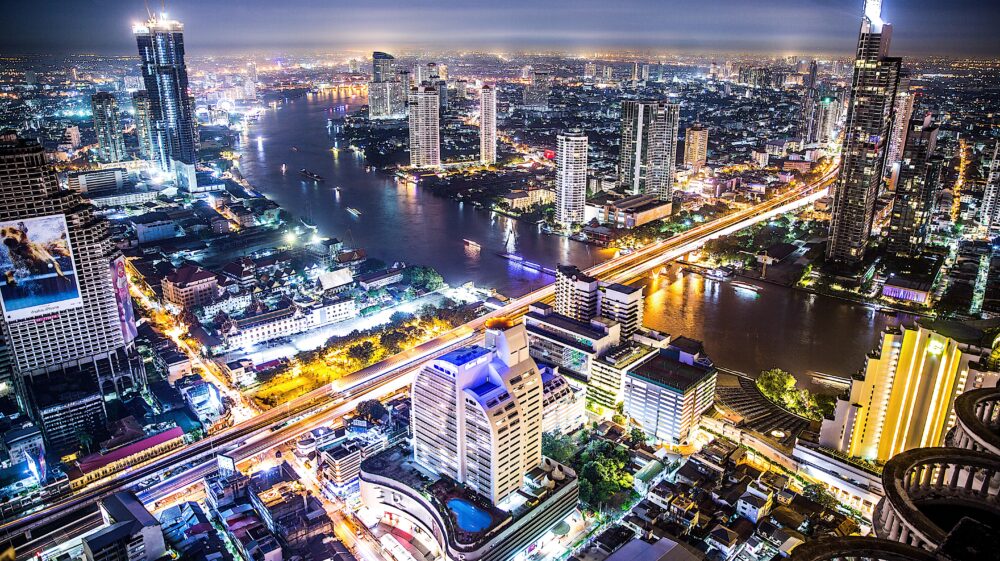
More than 65% of the world's population are projected to live in urban areas by 2050, with major implications resource use, energy, water and sanitation, and health and well-being. At the same time urbanization can bring benefits, especially efficiency gains. SEI examines these challenges in the round to advance sustainable urbanization.
631 results / 49 of 71 pages
Perspective / Success for the world’s urbanization hotspots depends on matching sanitation services to city realities.
Past event / Join us for a networking event at the World Urban Forum 2020
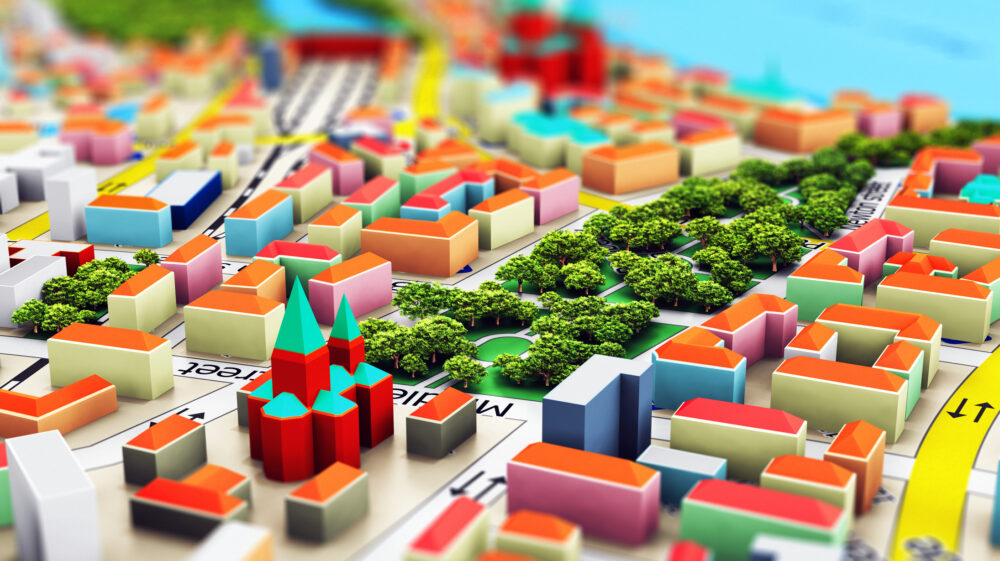
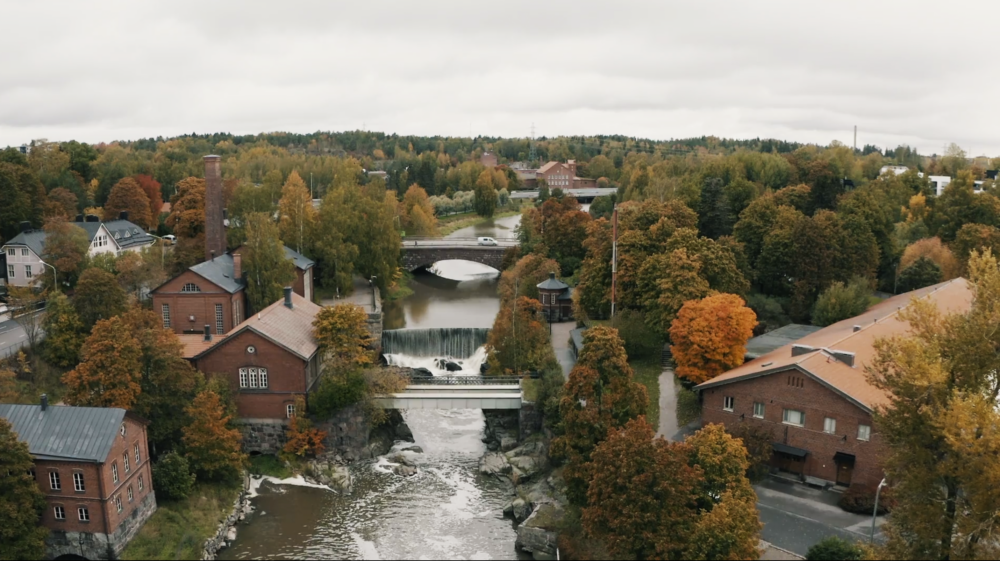
Project / B.Green aims at improving urban planning by developing a tested new green infrastructure planning concept into the pre-planning process in Helsinki and Tallinn.
Feature / This film highlights circular solutions for recovering and reusing nutrients in wastewater and agriculture.
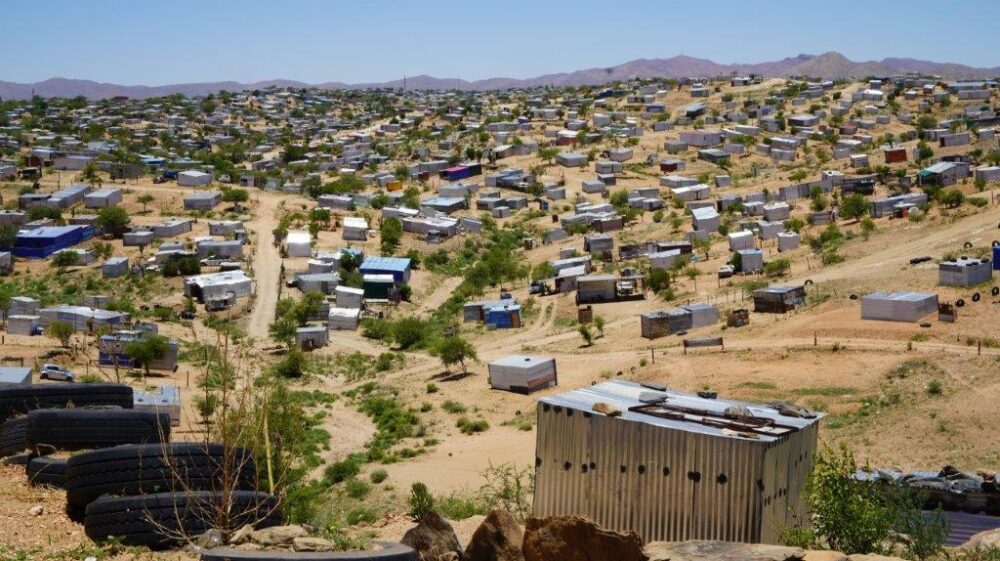
Project / PURE supported development of just and representative climate resilient urban strategies in dryland Namibia to enhance future health, wellbeing and development.
Feature / Learning Labs, created by SEI and partners for southern African cities, underscore the importance of collaboration to address urgent climate adaptation needs.
SEI brief / Here are 10 ways that climate service providers can support climate change adaptation planning and decision-making.
Project / This project provides cities with an adjustable framework to assess their level and potential for circularity.
Journal article / This exploratory study applies a standardized analysis framework to health and wellbeing metrics of cities in the UK, Sweden, Estonia, Kenya and Thailand.