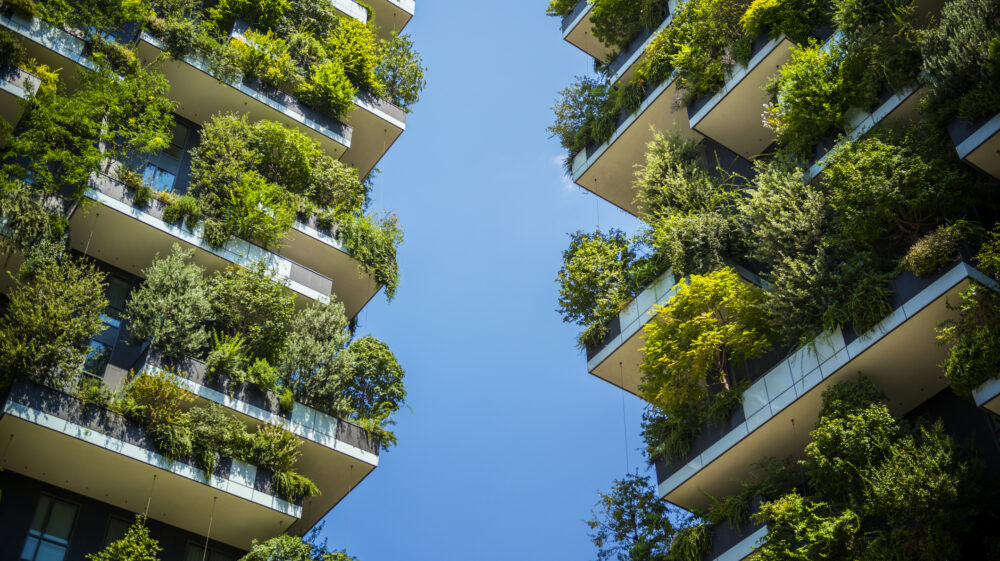
Photo: chuttersnap / Unsplash
More than 65% of the world's population are projected to live in urban areas by 2050, with major implications resource use, energy, water and sanitation, and health and well-being. At the same time urbanization can bring benefits, especially efficiency gains. SEI examines these challenges in the round to advance sustainable urbanization.
633 results / 53 of 71 pages
Journal article / This methodology estimates fuel economy in African cities, supporting policies to reduce emissions and improve air quality.
Project / The main objective of the project was to develop two new island destinations in Helsinki and Tallinn, into sustainable and smart tourist destination areas.
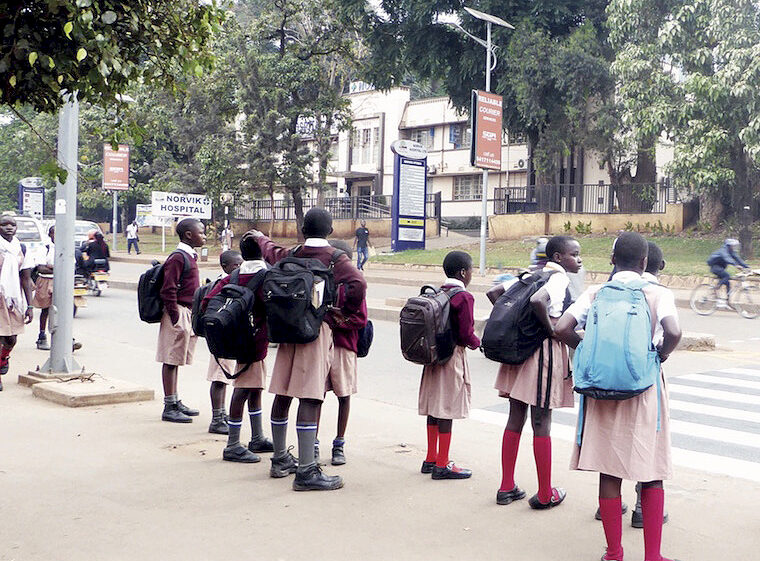
Media coverage / The i-CMiiST project uses creative methods to engage schoolchildren about road safety issues.
Press release / SEI is starting a collaboration with Fabege to help create sustainable and socially beneficial urban and regional development in Stockholm by 2050.
Media coverage / Project uses creative methods to engage informal settlement community
SEI report / This guide for local governments describes when and how to use a consumption-based emissions inventory, known as a CBEI.
Project / A scientifically robust and policy-relevant framework to identify and assess priority measures that maximize the multiple-benefits for air quality and climate.
Other publication / This report presents the results of a six-year evaluation of Derwenthorpe, an urban extension of 500 homes in York.
Project / Improving understanding about early life origins, burden, determinants, and prognostic significance of non-communicable lung disease in Kenya.