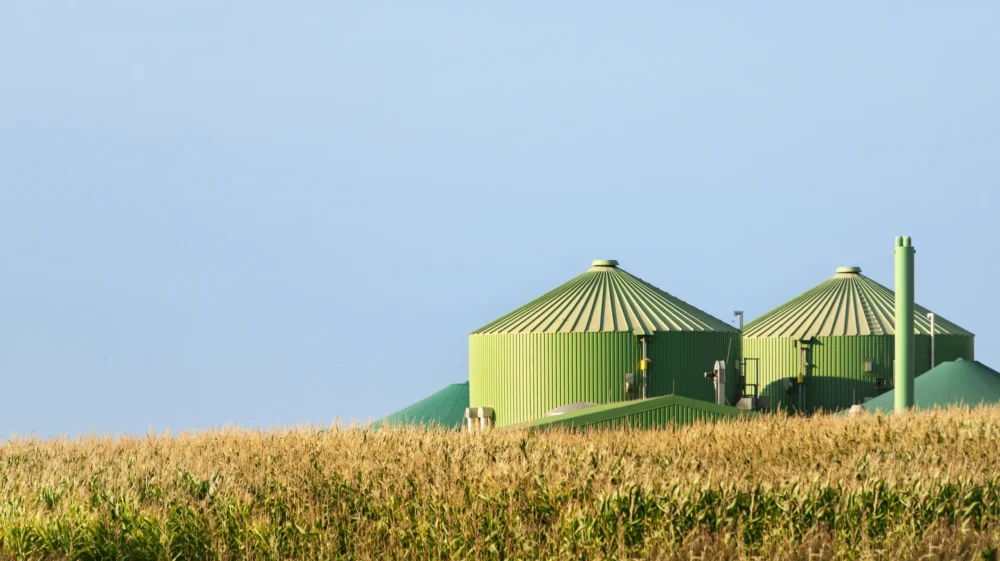
Photo: Matthew Henry / Unsplash
How we generate and distribute energy is one of the central questions of sustainable development. SEI research explores options for a clean energy future, from global policy down to household cooking and heating.
A clean, affordable, reliable supply of energy for basic needs is widely seen as a necessary for lifting people out of poverty and improving well-being. SEI examines how energy needs for human and economic development can be met in a way that is compatible with long-term sustainable development.
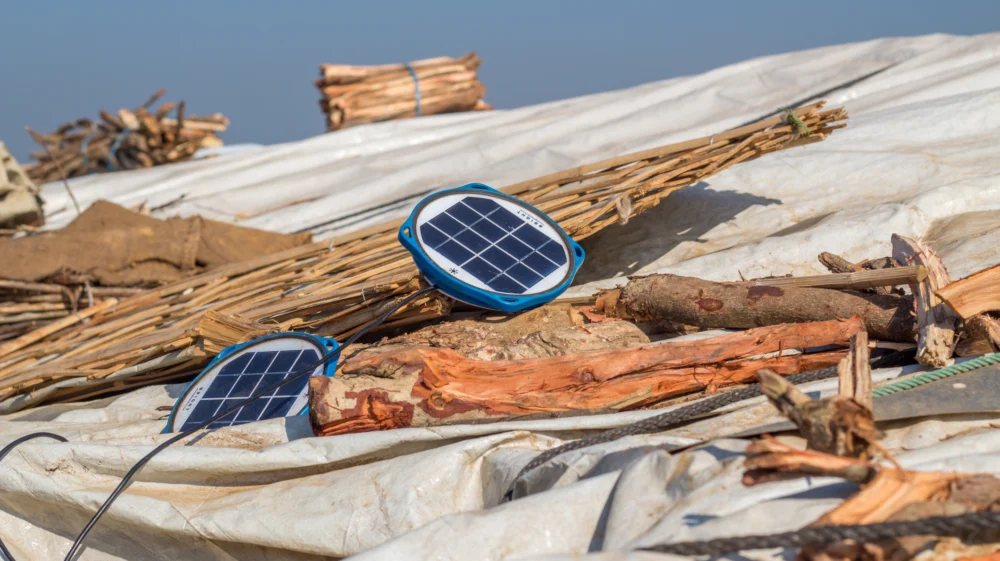
SEI brief / This SEI brief outlines recommendations to leverage financial guarantees to help expand energy provision in humanitarian settings.
How do the institutions, investments and infrastructure that support fossil fuel production lock-in dependence on fossil fuels? What strategies can help societies shift away from such dependence? SEI addresses these questions through timely, policy-relevant research and communications.
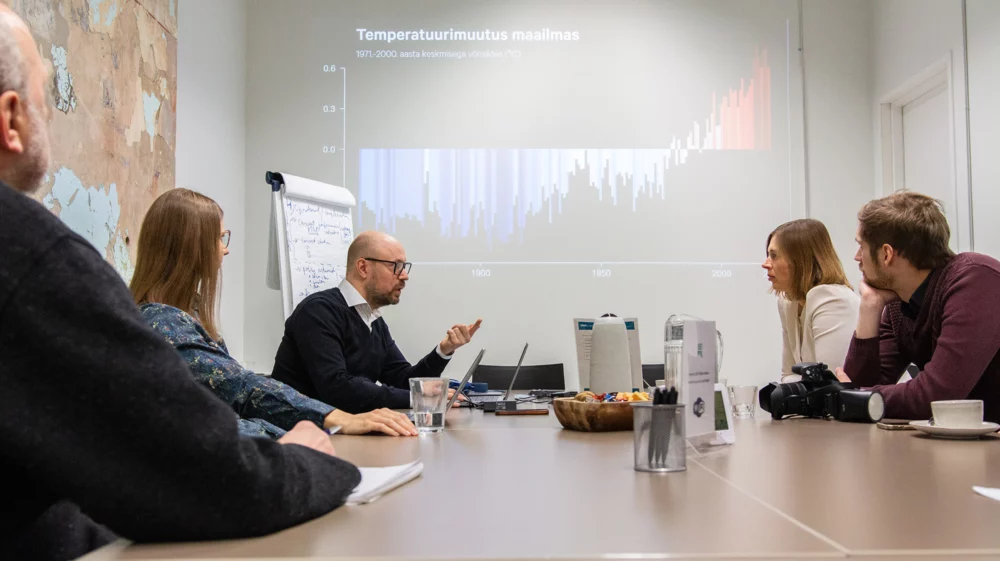
Feature / For more than three decades, SEI Tallinn has helped inform and shape climate, environment and sustainability agendas of Estonia and beyond.
Around 2.4 billion people use biomass fuels - wood, charcoal and animal dung - for their domestic energy needs. These are typically burned in inefficient stoves or on open fires, with serious consequences for health and the environment. SEI identifies and designs actions to help households transition to cleaner technologies and energy sources.
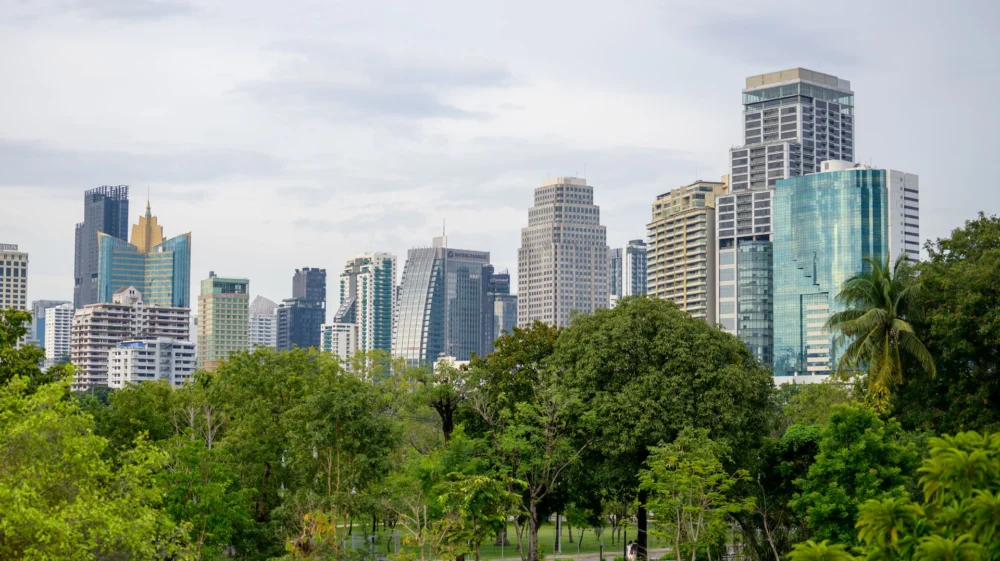
Feature / At the Bangkok Climate Action Week 2026, SEI Asia will showcase research and build pathways for climate action through science, dialogue, and engagement.
Managing scarce resources in an equitable and sustainable way requires sound forward planning. SEI provides technical tools used by planners and decision makers, around the world.
Media coverage / SEI's Jason Veysey co-authors an op-ed on how countries can go beyond national plans and platforms to achieve truly resilient decarbonized energy systems.
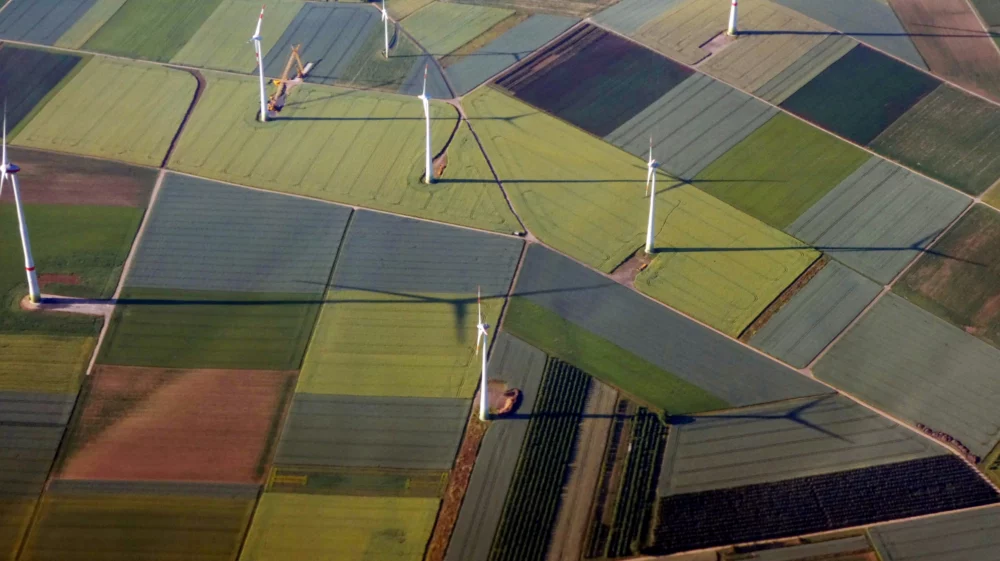
Tackling climate change and pollution demands a rapid shift to renewable sources of energy. Our research, analysis and policy work looks at opportunities for driving the necessary transition to clean energy.
Event on 19 October in Dublin / SEI's Francis X. Johnson joins a Global Bioeconomy Summit 2026 panel on how biofuels can accelerate a sustainable bioeconomy.
How would our lives look in a sustainable future? How can individuals and communities contribute to broader societal transitions? SEI research develops tools and knowledge to support bottom-up sustainability initiatives.
Feature / For more than three decades, SEI Tallinn has helped inform and shape climate, environment and sustainability agendas of Estonia and beyond.
SEI identifies policies and solutions that can support shifts toward clean and efficient transportation systems – which are vital to protect the climate and human health, and for sustainable cities.
Event on 19 October in Dublin / SEI's Francis X. Johnson joins a Global Bioeconomy Summit 2026 panel on how biofuels can accelerate a sustainable bioeconomy.