Photo: SEI
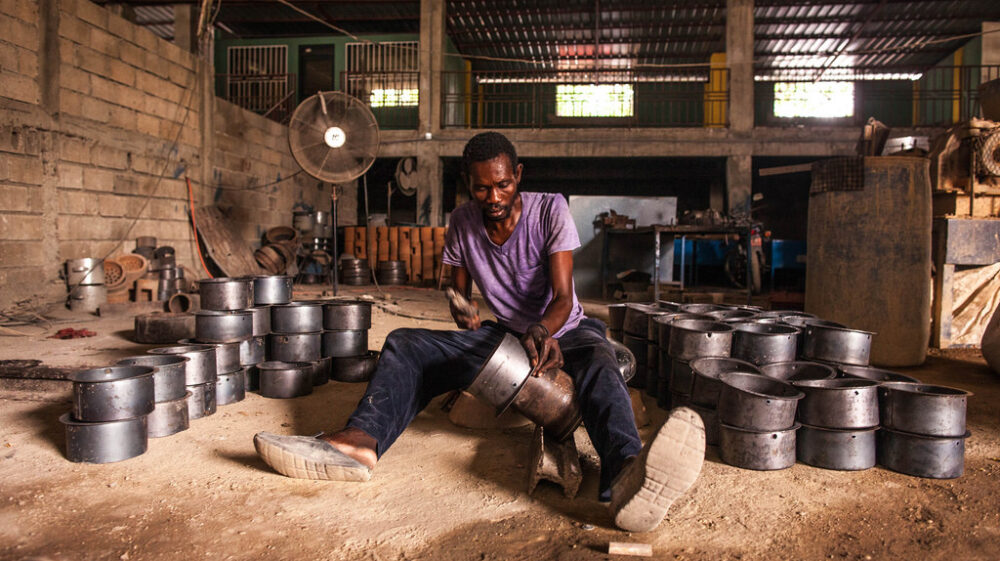
Around 2.4 billion people use biomass fuels - wood, charcoal and animal dung - for their domestic energy needs. These are typically burned in inefficient stoves or on open fires, with serious consequences for health and the environment. SEI identifies and designs actions to help households transition to cleaner technologies and energy sources.
258 results / 20 of 29 pages
SEI report / This guidance note looks at applying a GSE lens in sustainable development research and how to integrate GSE when conducting research.
Project / This project examined the potential of a dual-pronged approach to developing technical and social alternatives to charcoal in Zambia.
Other publication / Biofuels offer clear environmental benefits over fossil and biomass household fuels – but how do they affect the wider lives of farmers and users?
Project / The IMARA program aimed to increase the resilience of marginalized households to climate-change-related shocks.

Journal article / The introductory essay to a special issue of Biomass and Bioenergy, edited by Francis X. Johnson and others.
Journal article / This special issue fills research gaps on sustainability implications of liquid biofuel production, applying an ecosystem services perspective.
Feature / Kenyan government showed interest in the LEAP-IBC energy planning tool at a seminar in Nairobi.
Journal article / This paper finds that current woodfuel demand may contribute to moderate levels of degradation, but it is not as severe as is typically portrayed.
Journal article / This paper analyses the Africa Biogas Partnership Program (ABPP) in Kenya, Tanzania and Uganda.