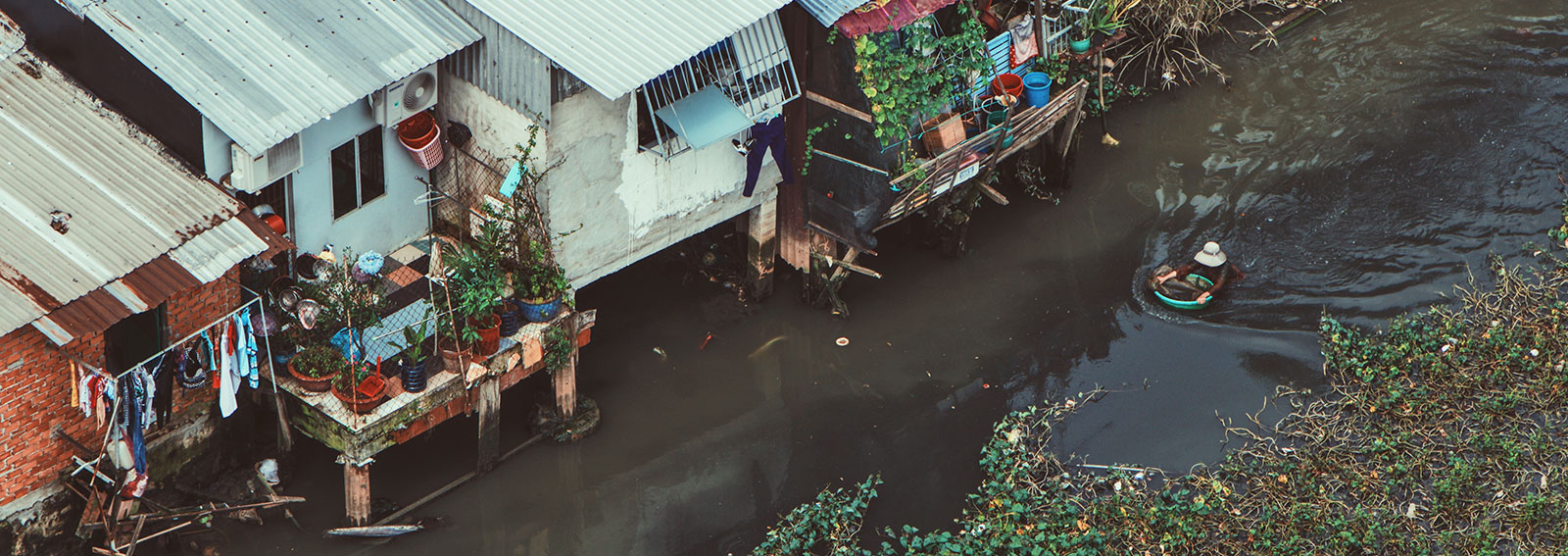
Photo: Tony Lam Hoang / Unsplash
Our research recognises that disaster risk and development are closely linked: it is development processes that largely determine who and what is exposed to risk as well how much, and how effectively they can respond. SEI works to integrate disaster risk reduction with equitable, sustainable and resilient development.
609 results / 53 of 68 pages
Other publication / The authors advocate for the creation of a climate change "translator" to help climate adaptation and disaster risk reduction communities communicate better.
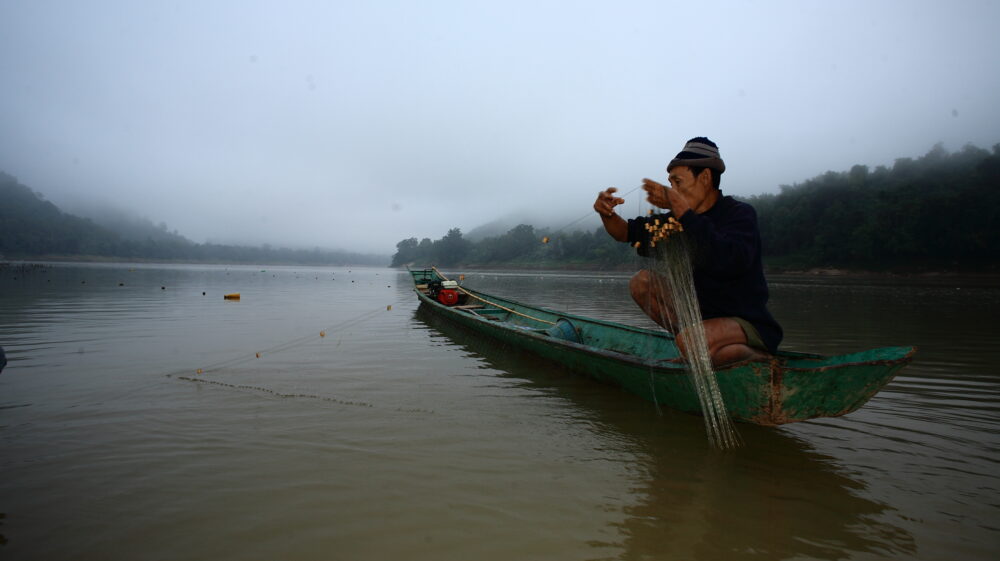
Perspective / The tragedy of the Xepian-Xe Nam hydropower dam collapse in Laos is an opportunity to reflect on how transforming development can reduce disaster risk.
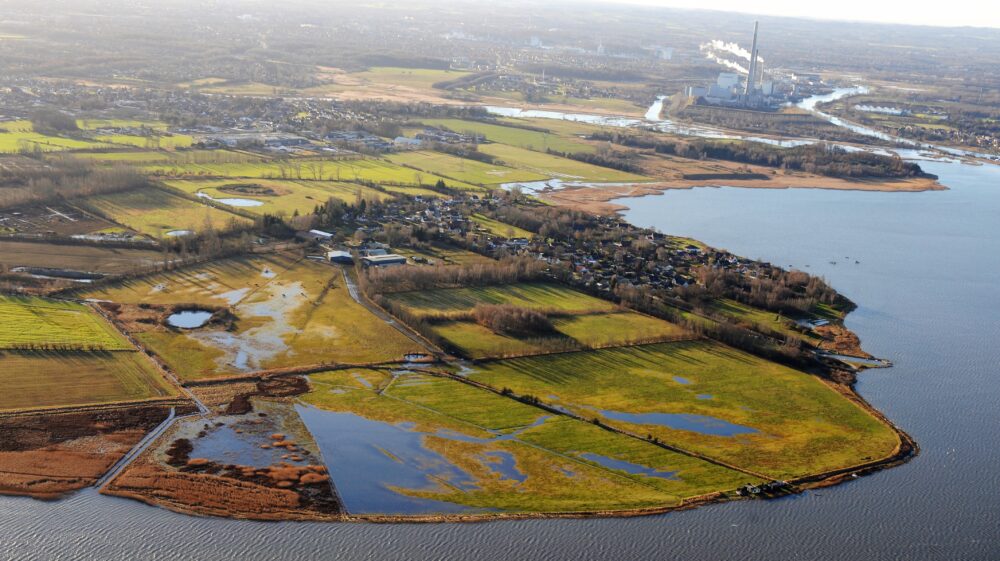
Project / Regenerating ECOsystems with Nature-based solutions for hydro-meteorological risk rEduCTion.
Journal article / Find out how resilience practice can take better account of equity and power issues by paying greater attention to social contexts.
Other publication / This report addresses the research gap on climate change vulnerability of young women and girls, with a focus on agricultural communities in Northern Thailand.
Journal article / How can science and technology help reduce disaster risk? This paper provides a roadmap for Asia by describing fourteen actions and six proposals.
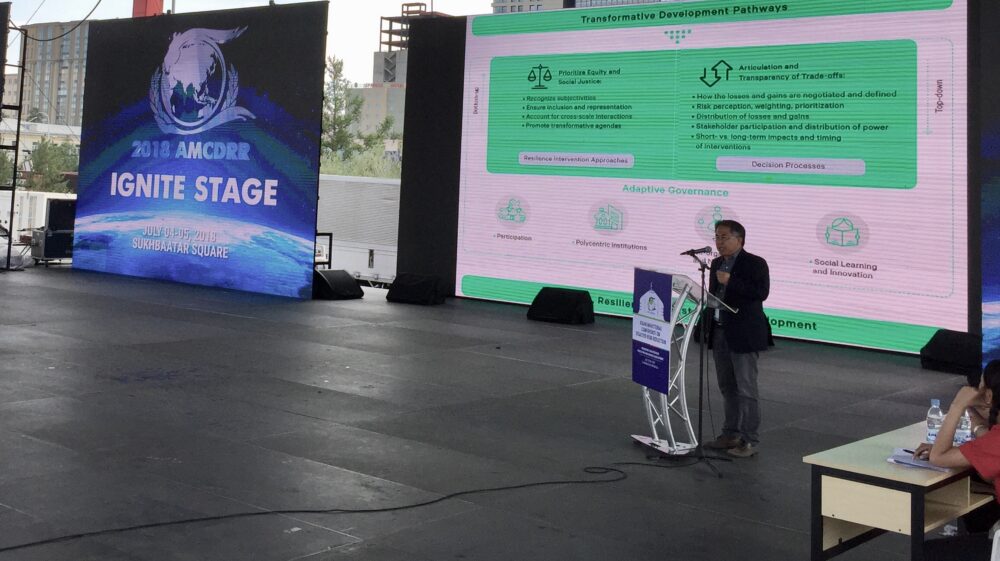
Feature / The Asia Pacific region faces growing challenges for disaster risk reduction. SEI's TDDR Initiative presented its case for DRR transformation at AMCDRR 2018.
SEI brief / This brief looks at the failures of development and disaster risk reduction and calls for a transformation in this relationship through policy changes.
Journal article / This paper presents and tests a conceptual framework for analysing the trade-offs that underpin the relationship between development and disaster risk.