A clean, affordable, reliable supply of energy for basic needs is widely seen as a necessary for lifting people out of poverty and improving well-being. SEI examines how energy needs for human and economic development can be met in a way that is compatible with long-term sustainable development.
308 results / 21 of 35 pages
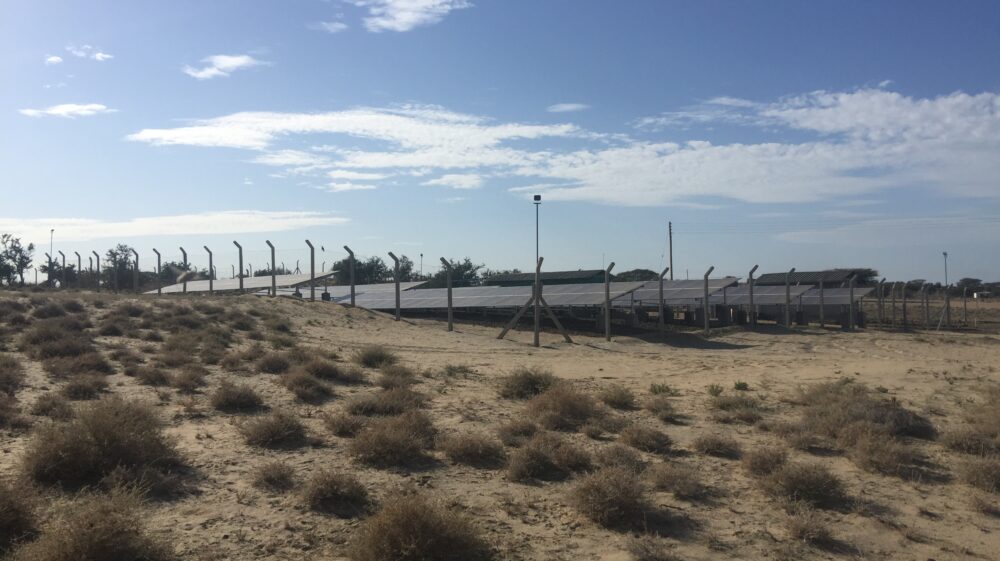
SEI working paper / This paper seeks to analyse the political economy of adaptation projects, using the solar electricity system in Turkana, Kenya as an example.
Project / This project explores the link between social and economic inequality and the unsustainable carbon dioxide emissions that fuel human-caused climate change.
Journal article / Researchers explore household behavior that influences the uptake of cleaner-burning cookstoves outside Nairobi, Kenya.
Project / This study will propose and analyse reforms in Estonia that will enable the country to achieve climate-neutral electricity production by 2050.
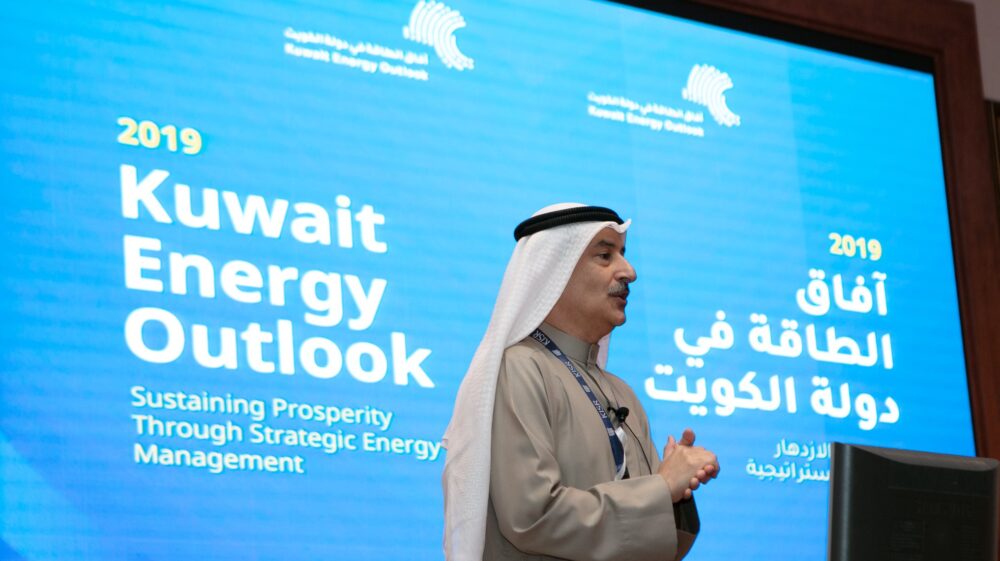
Feature / SEI worked with the Kuwait Institute for Scientific Research to produce the country’s first energy outlook, which envisi a less fossil-fuel dependent future.
Journal article / The study combines a bottom-up energy model with socio-technical analysis of barriers in the Swedish residential building stock
SEI report / A participatory exercise to introduce the concept of transitioning to electricity for cooking in a rural off-grid community.
Feature / If everyone in Kenya cooks with electricity in 2030, how did it happen? Our research team co-developed a transition pathway with members of a rural community.
SEI report / How much funding does the Green Climate Fund direct towards energy access? Read an analysis of approved GCF funding proposals 2015 to July 2018.