Photo: SEI
Around 2.4 billion people use biomass fuels - wood, charcoal and animal dung - for their domestic energy needs. These are typically burned in inefficient stoves or on open fires, with serious consequences for health and the environment. SEI identifies and designs actions to help households transition to cleaner technologies and energy sources.
259 results / 21 of 29 pages

Journal article / This paper analyses the Africa Biogas Partnership Program (ABPP) in Kenya, Tanzania and Uganda.
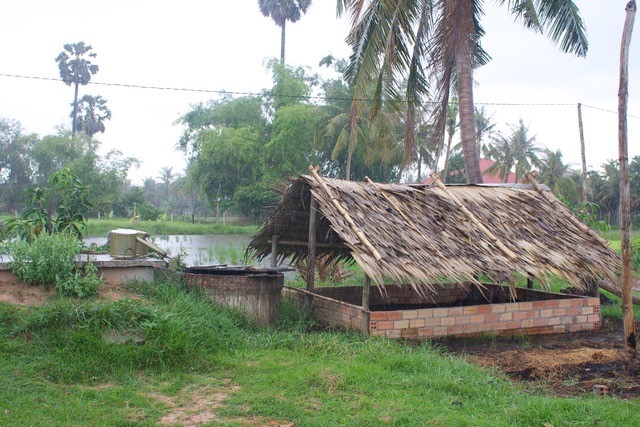
Journal article / This paper identifies multiple changes that have undermined the initial momentum of the National Biodigester Program.
Feature / A national biodigester program was an unmitigated success – until installations plummeted. Researchers sought to find out why.
Past event / Between 1 and 8 July 2018 SEI experts will participate at Almedalen, one of the world's largest democratic gatherings for social issues.
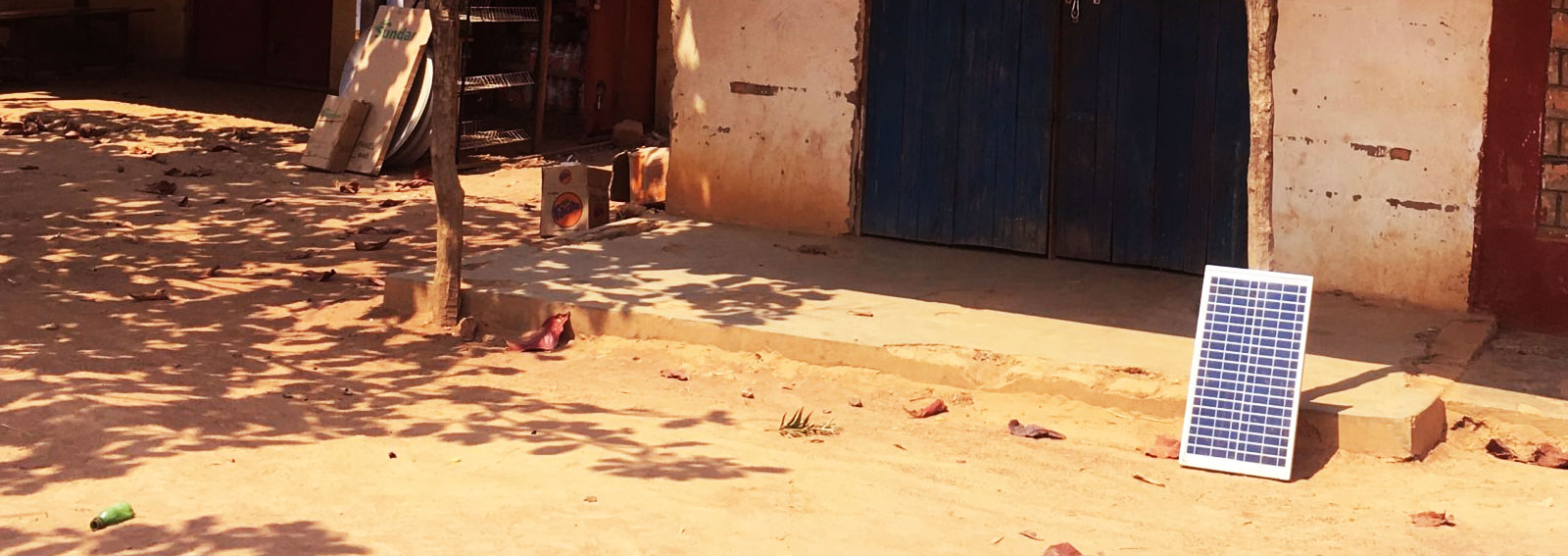
Journal article / This paper looks at users' experience of connecting to and using electricity services from a 60 kW solar mini-grid in Mpanta, Zambia.
Journal article / Understanding the barriers to the uptake of ethanol stove technologies by eliciting users' perception, adoption, and use patterns of ethanol
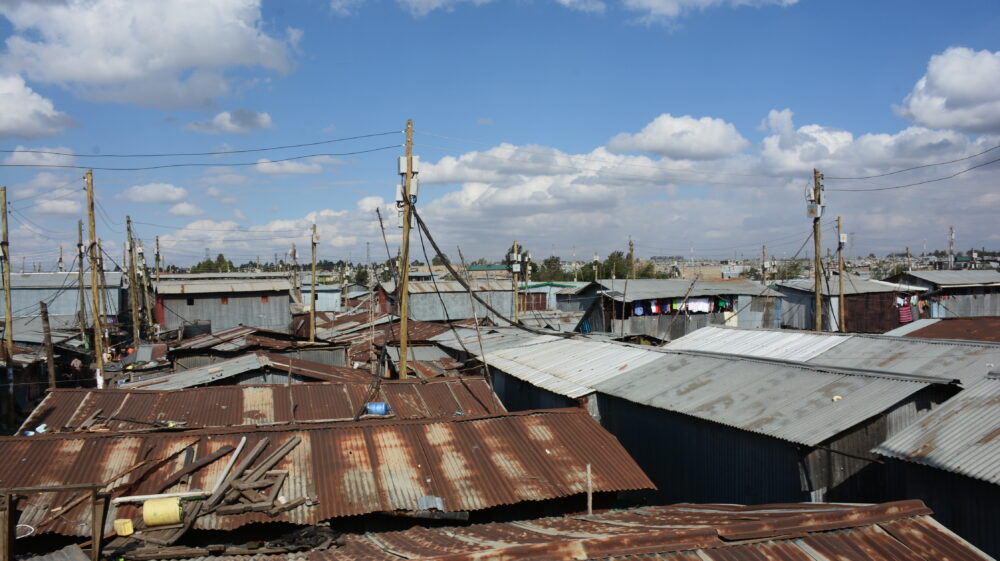
Feature / Get a glimpse of what it means to live with air pollution in Mukuru informal settlements in Nairobi, Kenya.
Media coverage / By scaling up 10 selected low-carbon energy solutions, the Baltics, Poland and Ukraine could reduce their emissions by 150 Mt while saving money over time.
Journal article / Swedish case study: how do we model energy transitions to capture the technical, social, political and quantitative dimensions?