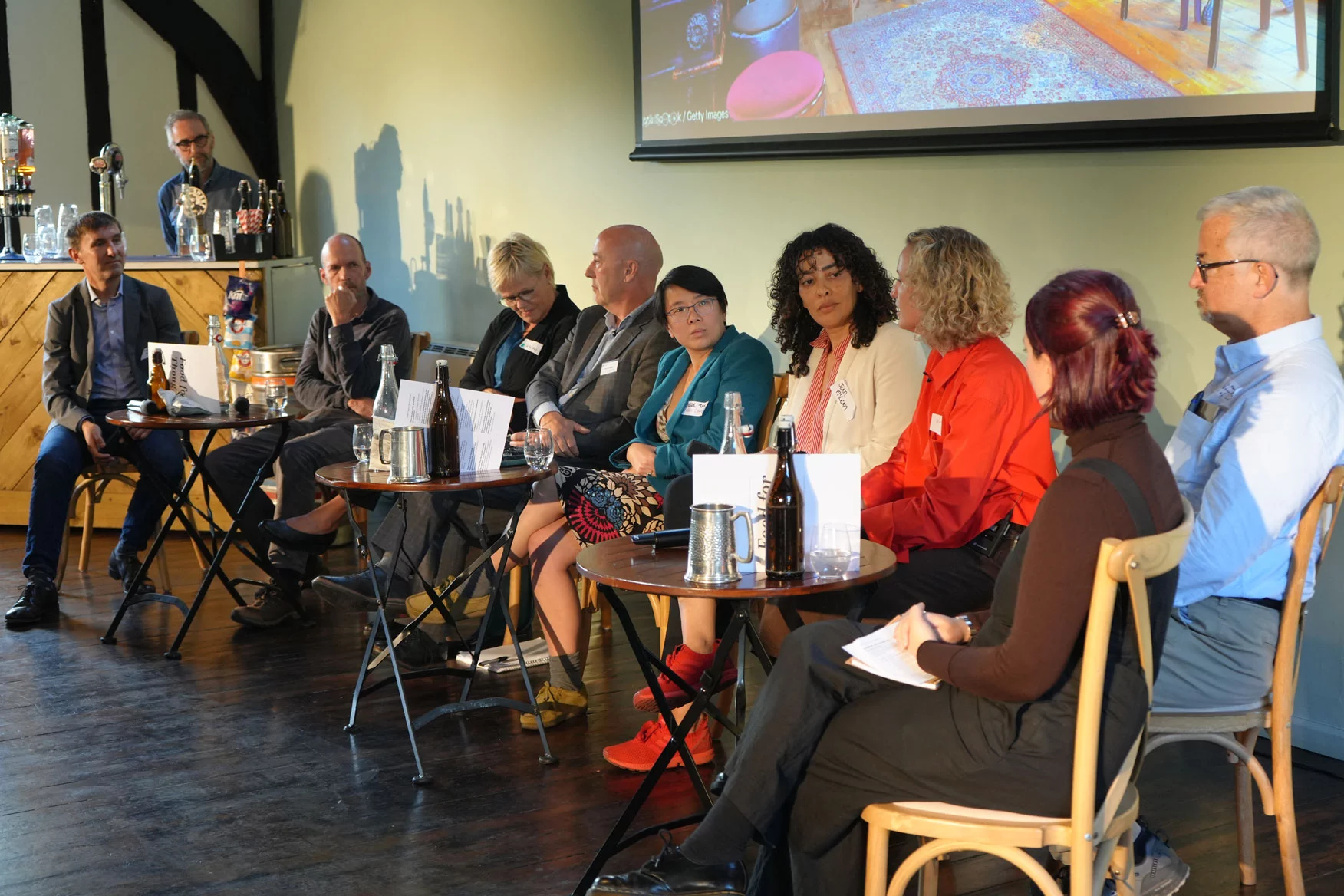
SEI’s two UK centres loosely channeled “British pub speak” for a frank discussion of ideas to counter growing backlash to green policy agendas. The freewheeling conversation tapped insights from the institute, and from some 80 invited representatives of business, government, civil society and academia in the UK, long an agenda-setter in global climate policy.
In 2019, the UK became the first major world economy to commit to reducing its carbon emissions to net zero by 2050. At that time, the legislation provoked such little disagreement that it was simply “nodded through without a vote”, the BBC notes.
Times have changed. Some local governments in the UK are revoking their net-zero pledges as being “unaffordable”. Litigation in corporate courts is seeking “to overturn climate decision-making in the UK”. According to a YouGov poll, public support in the UK for spending on climate change and the environment has fallen, eclipsed by other concerns. Similar issues are surfacing worldwide – for example, in the European Union, the US, Brazil, among others, with implications not only for climate change but also for democracy.
Policies that underpin efforts to limit global temperature rise were envisioned as springboards for other aspirational goods: to foster sustainable economic development, stem biodiversity loss, and reduce pollution.
Now comes a paradox. Rapid technological innovation and plummeting renewable energy costs provide tools to make a green transition. Each flood and fire of historic proportion underlines the growing financial and human toll of climate change. Yet, carbon emissions continue to rise, and forecasts predict global temperatures near to or reaching record highs. The International Energy Agency warns of slowing momentum, with finance and priorities moving in other directions. And new vocabulary arises in the global discussion, with the invention of a portmanteau that captures the times: greenlash.
What is driving the phenomenon? Why is this pushback surfacing now? What are viable ways to recover momentum – or, at a minimum, stop backsliding?
These issues and questions motivated SEI’s decision to host an event, “Countering global greenlash: rethinking the UK opportunity landscape”, to examine what has led to greenlash, and to generate ideas about how to overcome the phenomenon in the UK and beyond.
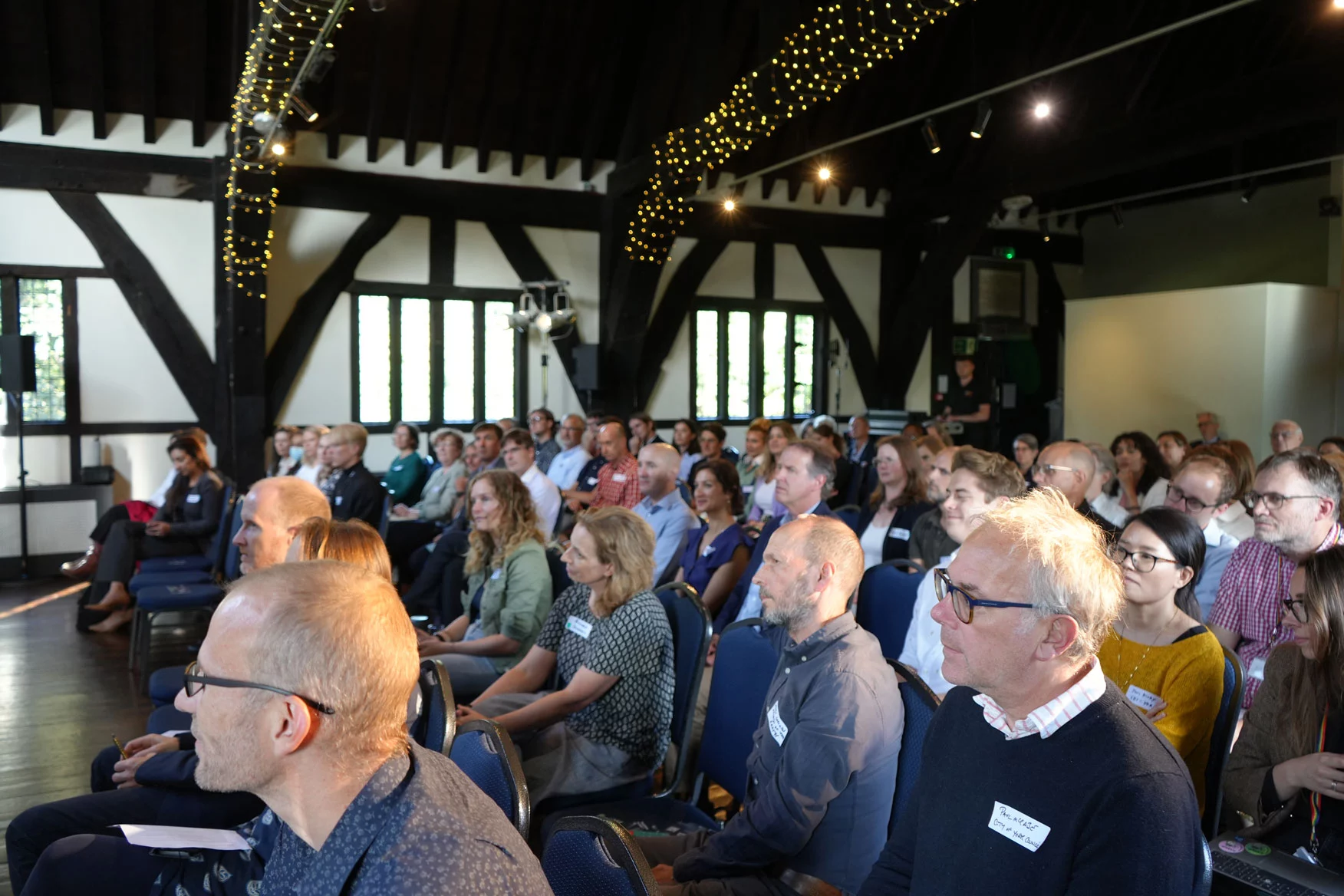
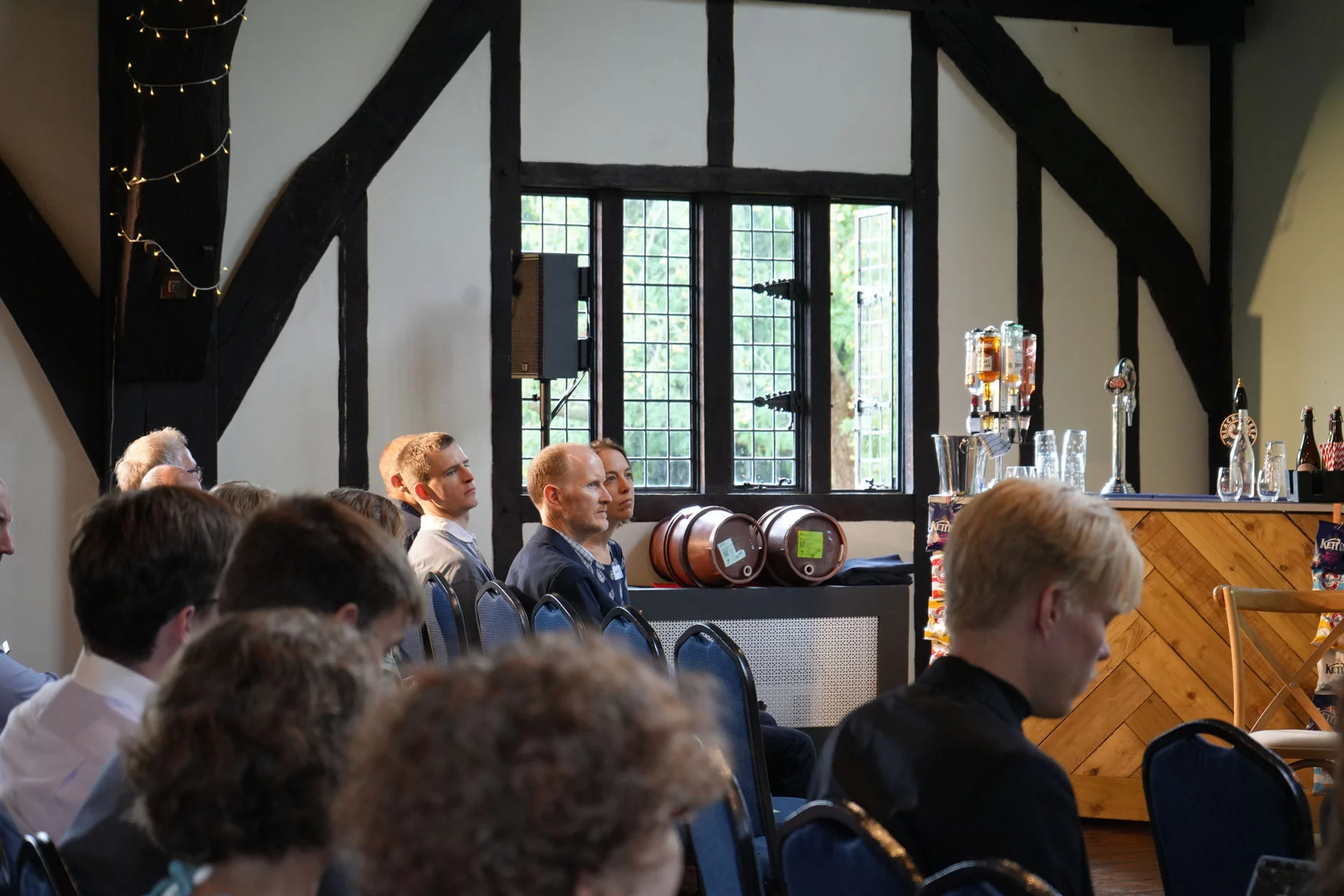
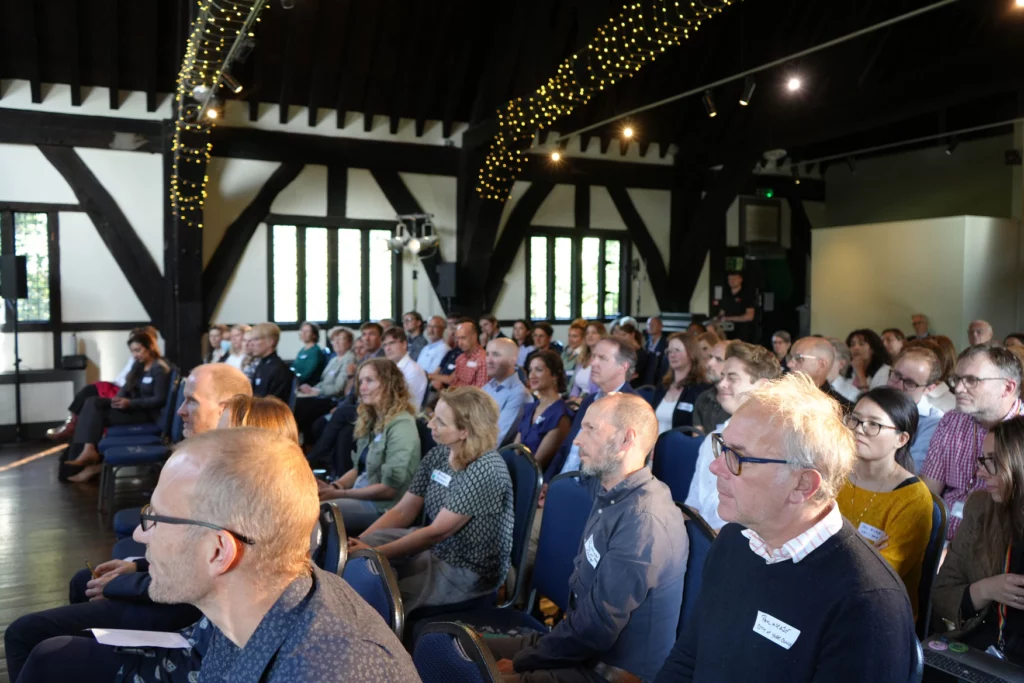
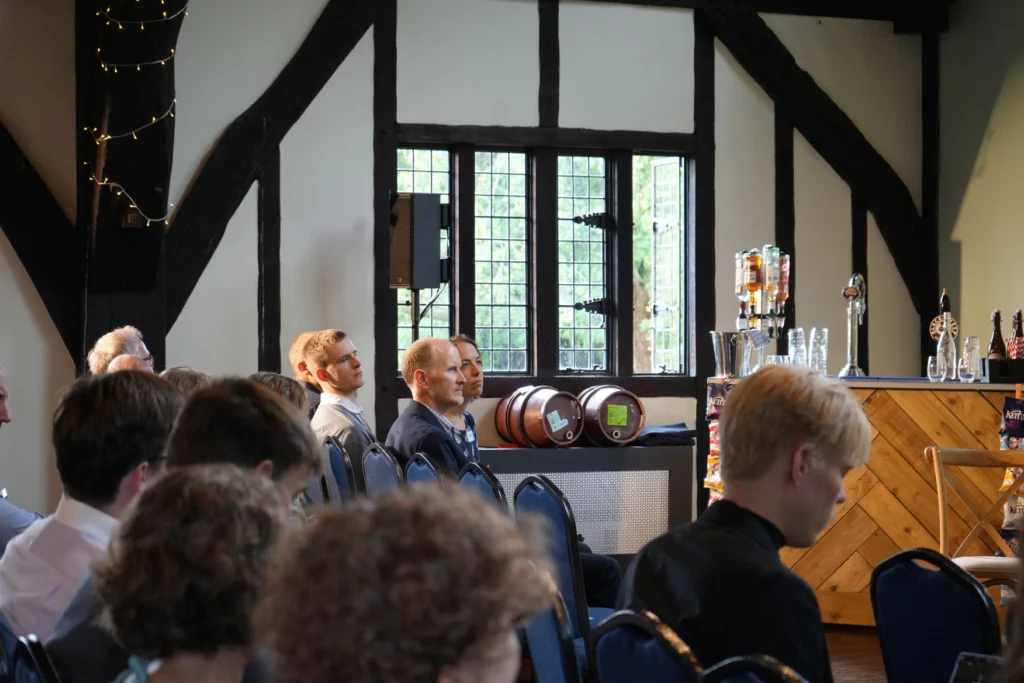
Held 10 September in York and hosted by SEI’s two UK-based centres in York and Oxford, the event brought together key people from a wide variety of sectors in the UK and many leaders of SEI. Roughly 80 invited guests attended – including representatives of UK and local-level government, business, civil society and academia. From SEI, participants included Chair of the SEI Board Lennart Båge; SEI Board members Kristin Halvorsen, Per Mickwitz, and Magnus Billing; SEI Executive Director Måns Nilsson; SEI Research Director Somya Joshi; SEI York Director Sarah West; SEI Oxford Director Andrew Fitzgibbon, and many others working on related issues in the institute’s UK centres.
The challenge before us is clear: if climate action is to succeed, its benefits must be more clearly communicated, and in local terms. Otherwise, opportunities risk being interpreted as burdens.
Lennart Båge, Chair of the SEI Board, in opening remarks
The UK serves as a natural focal point: it has helped shape how the world reduces emissions, pioneering a national carbon market, passing a landmark Climate Change Act, and announcing plans for an ambitious, 81% cut in emissions by 2035. Some of its regions – including North Yorkshire, the site of the forum – have launched their own leading initiatives, such as the “Carbon Negative” route map. The UK has also been a key player in global sustainable development efforts through diplomacy, finance and agenda setting. The event posed questions about how efforts in the UK can build on this pioneering legacy in the face of fiscal constraints, a divisive political atmosphere over net-zero goals, and a public seemingly prioritizing other concerns.
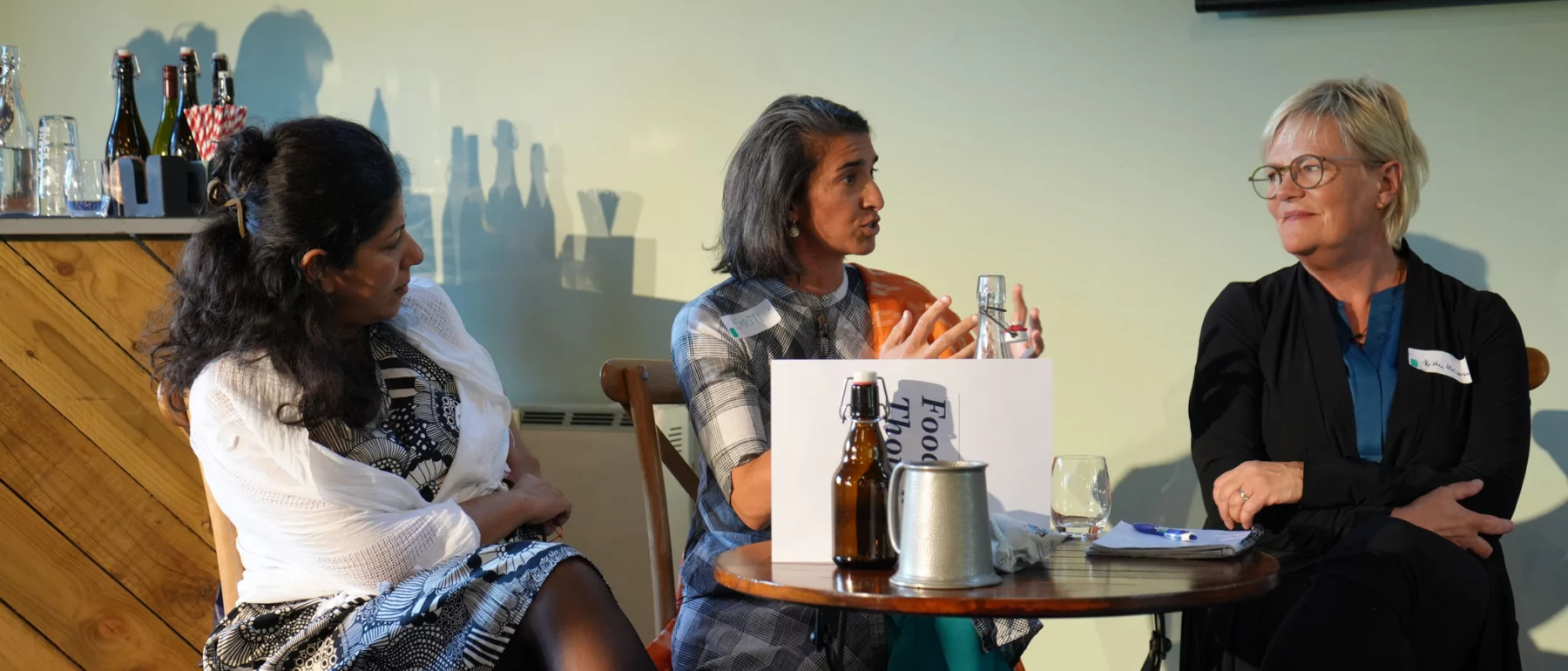
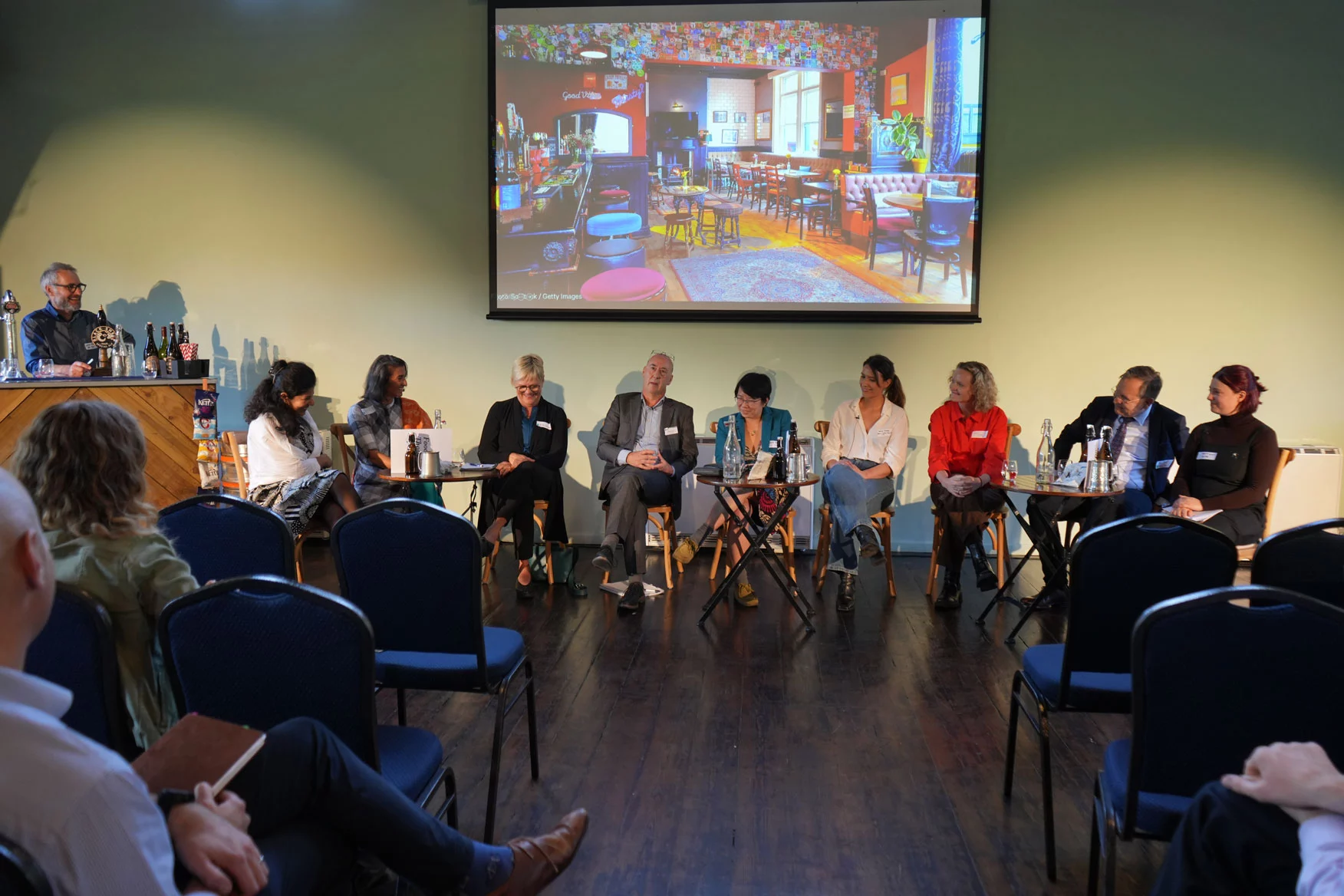
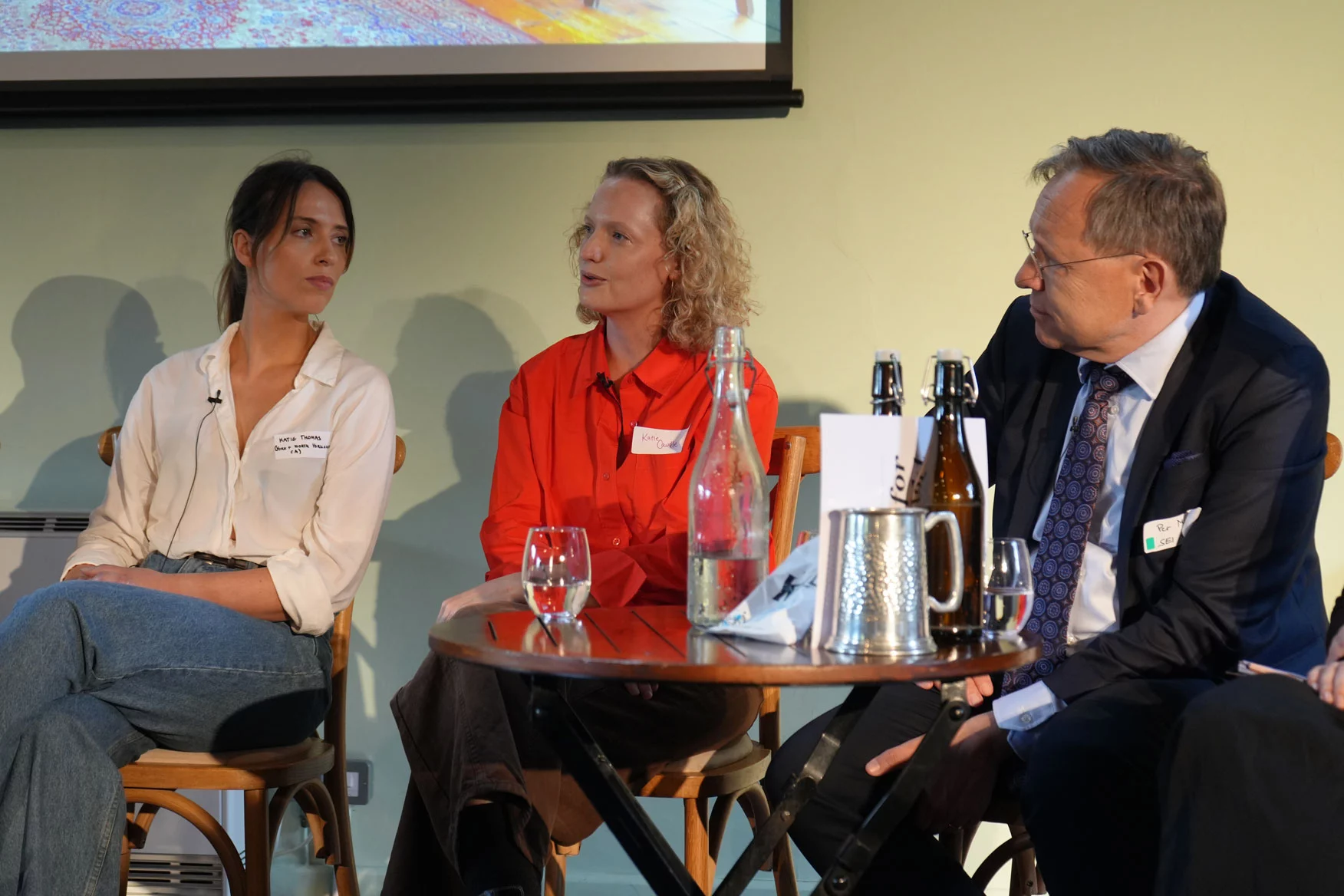
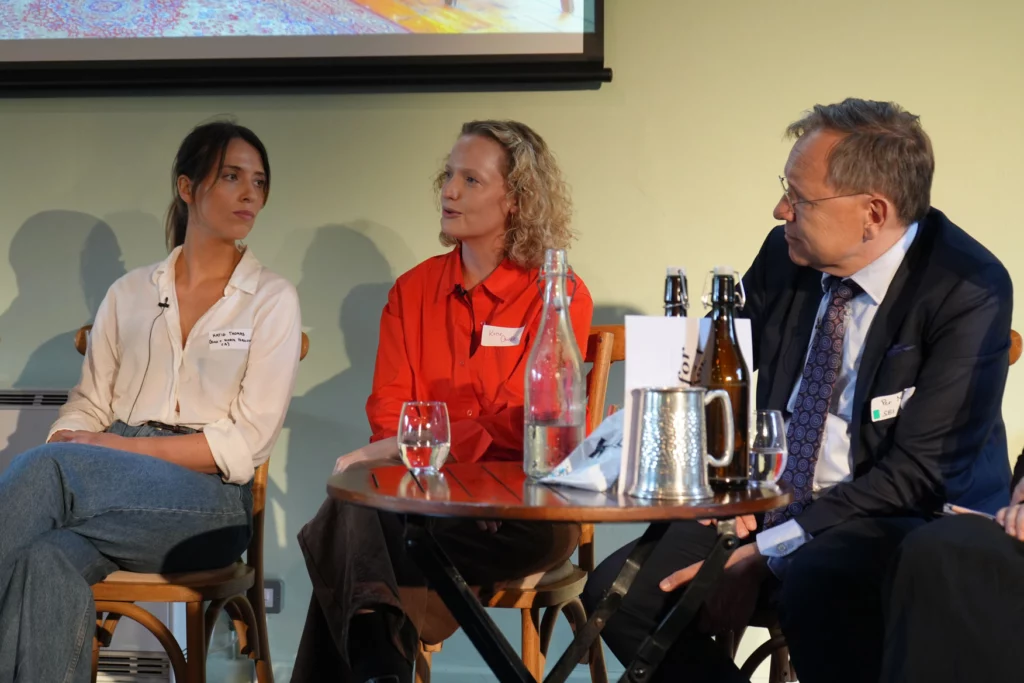
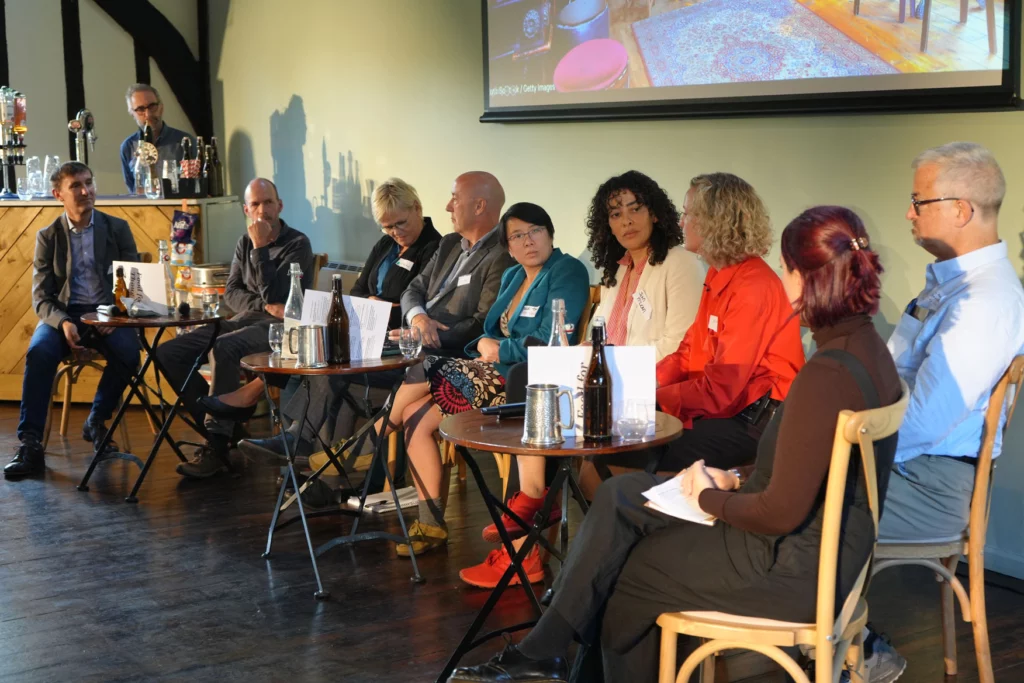
The York event sought to encourage a frank discussion. It used the Chatham House Rule, meaning that the contents of the discussion could be publicized, but that these would not be linked to individual participants. It also experimented with an unconventional format: asking participants to engage as if they were chatting in that quintessential British forum, the public house. The aim was to leverage the unwritten rules of pub talk, which values plain speaking, puts all speakers on a level footing, and savours debate – attributes that burnish the reputation of pubs as the place where the real business of the day often takes place.
Photo: Anjali Vyas-Brannick / SEI.
The dominant theme of the wide-ranging discussion was communication. Participants advocated using relentlessly positive storytelling, discussing the green transition in terms that convey concrete benefits to individual lives and communities, and tirelessly correcting misinformation and disinformation that thrive in social media forums and social bubbles. Myriad ideas surfaced. Among them:
“We need some sort of new narrative. We need to become more tangible for people’s day-to-day lives. We need to make that connection.”
Magnus Billing, SEI Board Member, in closing remarks
Similar themes arose in discussing policies. Participants urged efforts to reframe policies by deliberately using language to expand support, emphasize practical benefits, and undercut arguments against green policies.
Among the ideas:
Participants said that their experiences show that the private sector wants to help lead change.
Every movement triggers a counter-movement in virtually every aspect of life. SEI should keep a cool head and stay true to the evidence and facts. This is what we put on the table."
SEI Executive Director Måns Nilsson, speaking at the end of the event
All SEI’s work is aimed at tackling climate, environment and sustainable development challenges. Many aspects of the institute’s work directly or indirectly address issues related to greenlash. This work is ongoing – in many places and on many fronts. Here are five examples.
SEI brief / This SEI brief outlines how the UK can address regulatory and other barriers to achieve its ambition to expand community-owned, renewable energy sources.
Press release / As El Niño intensifies across the Amazon, new research in Science highlights the urgent need to better protect the region’s remaining forests from disturbances.
Journal article / Publicly accessible housing data and machine learning hold genuine promise for large-scale urban retrofit strategy.