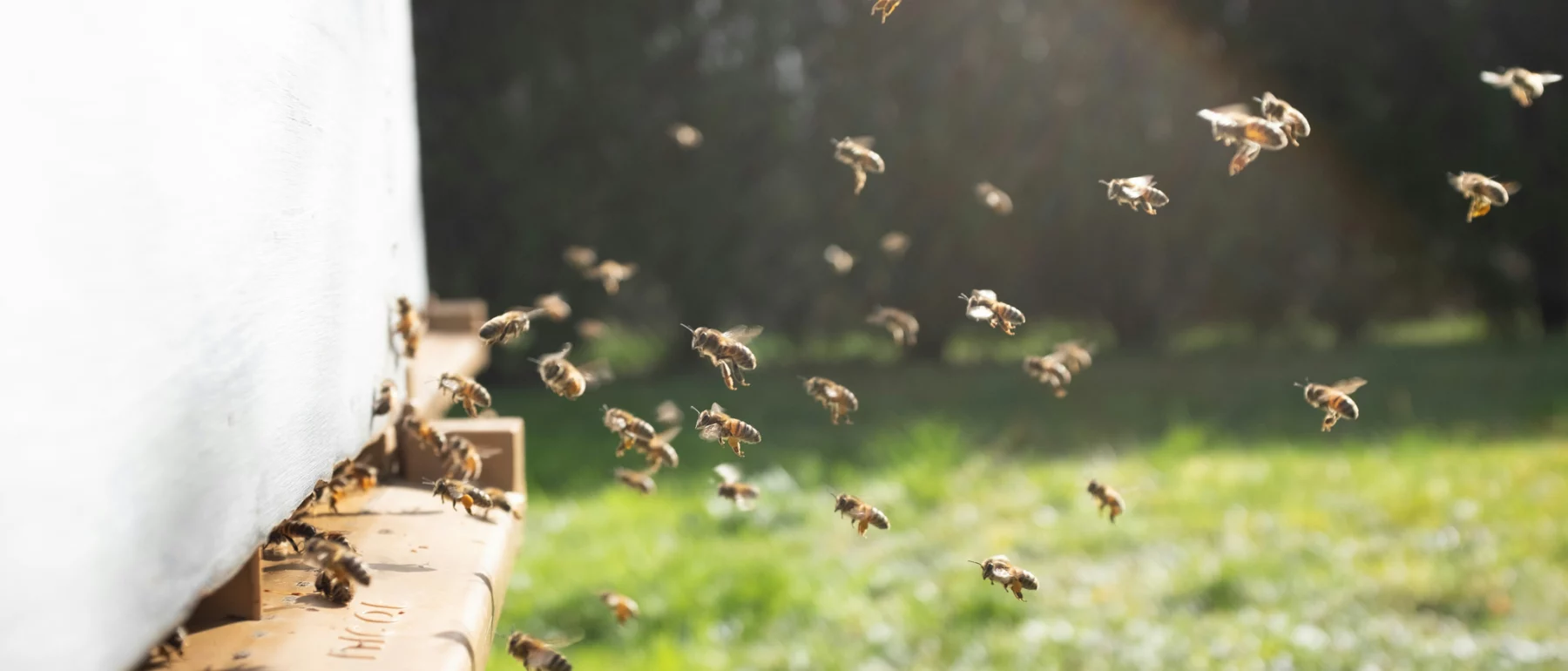
This study finds that air pollution harms not only human health but also insect pollinators, with potential impacts on crop and food production.
Air pollution is widely recognized as a major environmental threat to human health that contributes to cardiovascular conditions and is responsible for premature deaths globally. In contrast, its impact on insects has received lesser attention, even though insects are crucial for pollinating crops and supporting healthy ecosystems.
This research shows how tiny particles such as microplastics, tyre dust, soot, and mineral dust affect insect olfaction (sense of smell), making it harder for insects to detect scents from flowers.
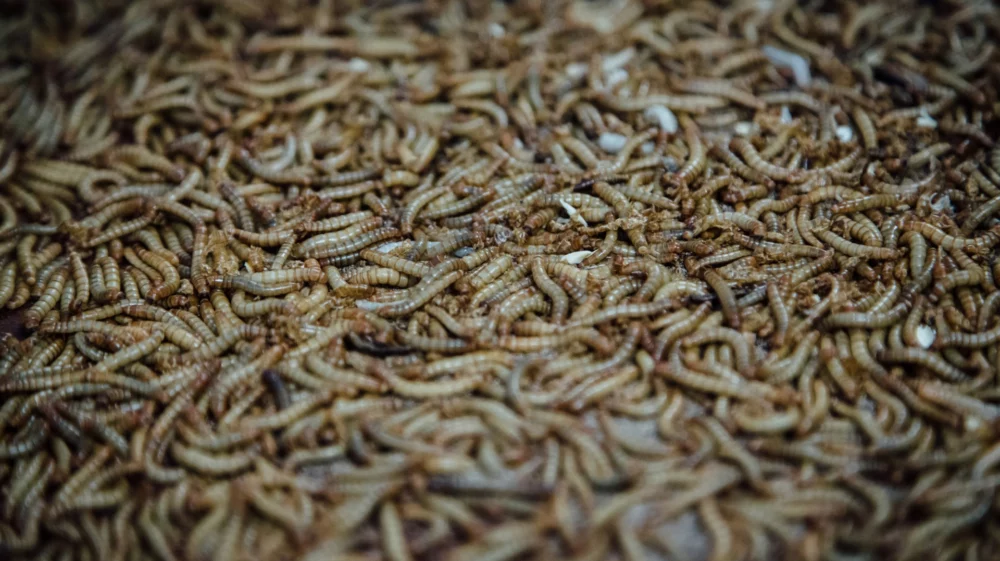
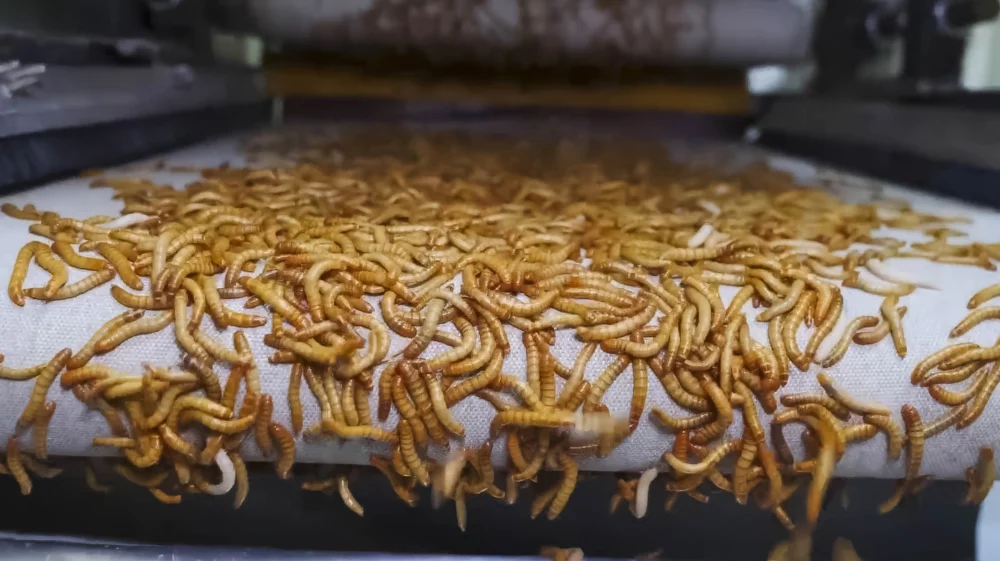
Press release / A new report from SEI finds that industrial insect farming in temperate, high-income countries may not be the climate solution it is often portrayed to be.
SEI report / This SEI report outlines environmental concerns that challenge portrayals of the farmed insect industry as providing a sustainable dietary protein source.
Feature / For the first time, air quality is being prioritized alongside climate concerns such as drought, heat and floods.