SEI’s updated framework and practical training resources now support more inclusive, effective and sustainable climate adaptation and disaster risk reduction.
As climate risks become increasingly complex and interconnected, effective adaptation requires more than better data and technical solutions. Climate change impacts are growing, making it is essential to find ways to bring together diverse knowledge, experiences and perspectives to make informed decisions that can help build wider resilience.
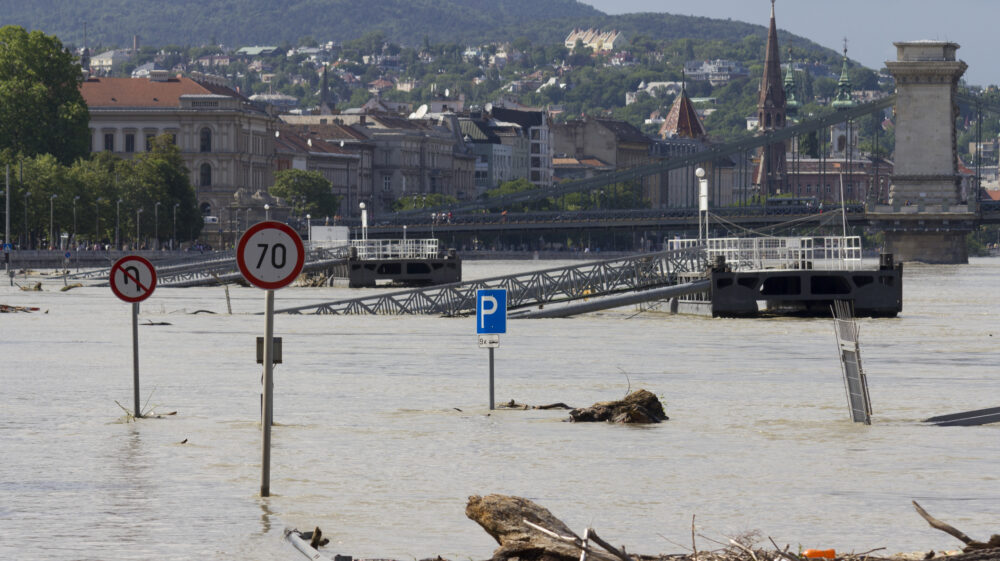
Responding to escalating impacts and needs, SEI has improved its Tandem guidance to better support the collaborative decision-making processes. SEI has updated the guidance by leveraging new insights and experiences gained through recent work in Europe. There, SEI used the Tandem framework to help stakeholders make decisions to help them deal with an array of growing challenges – including increasing flood risks, wildfire threats, institutional coordination challenges and emergency preparedness needs.
The resulting, updated Tandem guidance is freely available on weADAPT, SEI’s global climate change adaptation knowledge-sharing platform.
SEI’s experiences in research and provision of climate services over many years underscored the importance of designing collaborative processes that can address real decision-making needs. In 2019, we created Tandem to help researchers, practitioners, decision-makers and community representatives co-design climate change adaptation strategies and disaster risk reduction interventions.
From its inception, Tandem aimed to help stakeholders move from understanding shared challenges to developing, implementing and sustaining locally relevant solutions. We have found that such collaborative processes can strengthen relationships between institutions and create pathways for learning and cooperation that can carry on beyond the life of any individual project. Indeed, our work has shown that the co-design process itself builds capacities — which can be more valuable than the final output of a given, finite project.
We originally developed Tandem to improve the relevance and usability of climate services through Living Labs in southern Africa. Since then, Tandem has evolved, through applications across Africa, Asia, Europe and Latin America, including rural, urban and transboundary contexts, through the SEI Climate Services Initiative.
The latest guidance builds on this experience, incorporating lessons from the EU-funded Innovation Action, DIRECTED – Disaster resilience for extreme climate events through improved data accessibility, communication and risk governance project, where Tandem was applied and refined in four European Real-world labs to strengthen connections between climate change adaptation, disaster risk management and risk governance, supporting Risk-Tandem and communication, data and governance interoperability.
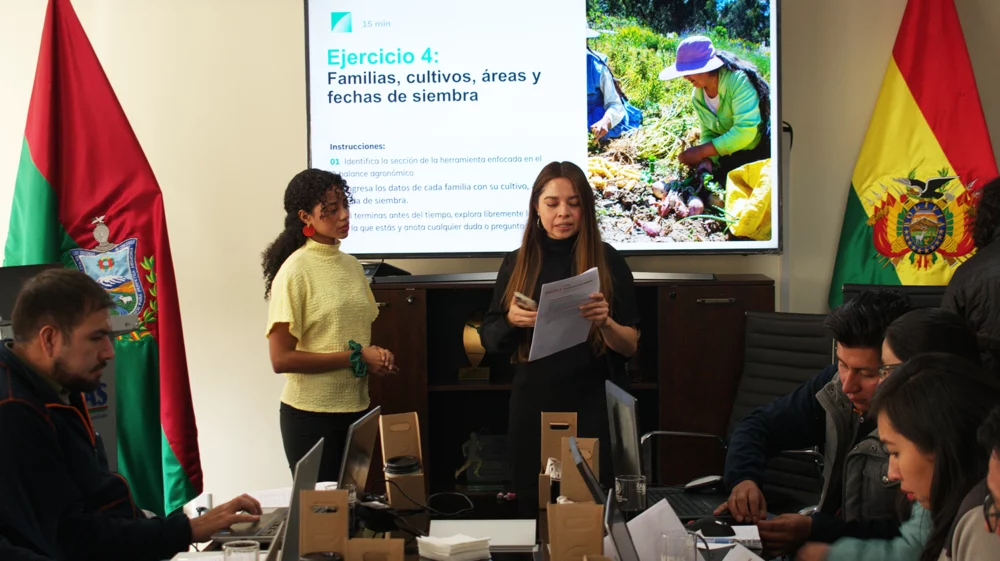
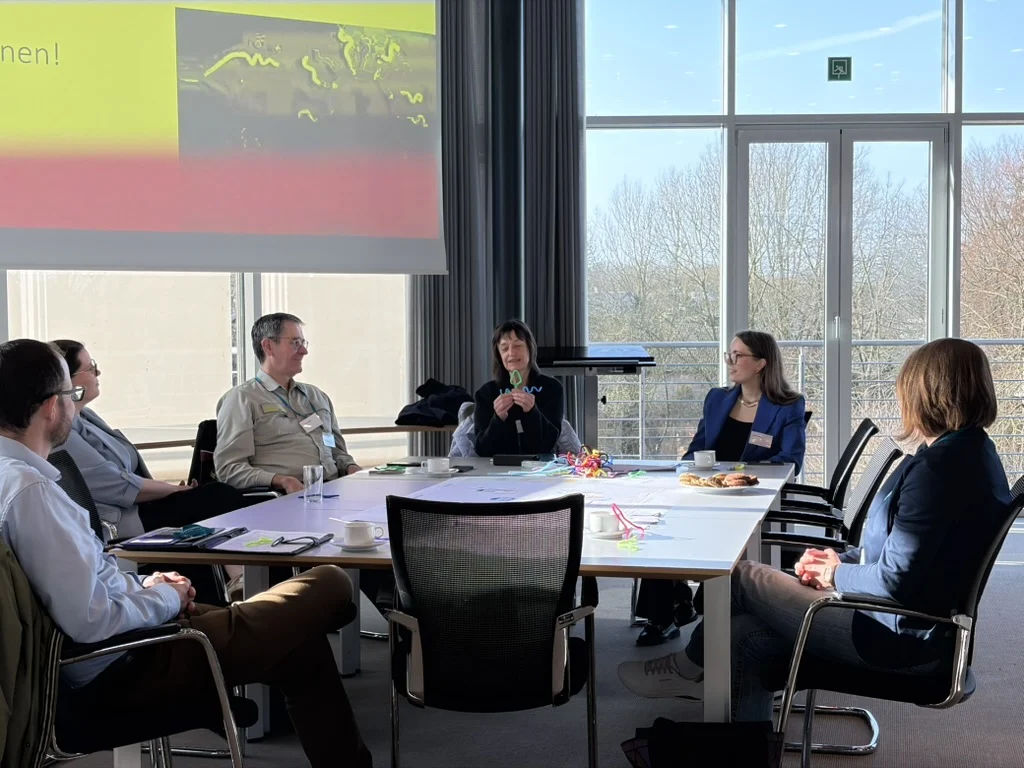
An EU DIRECTED project workshop
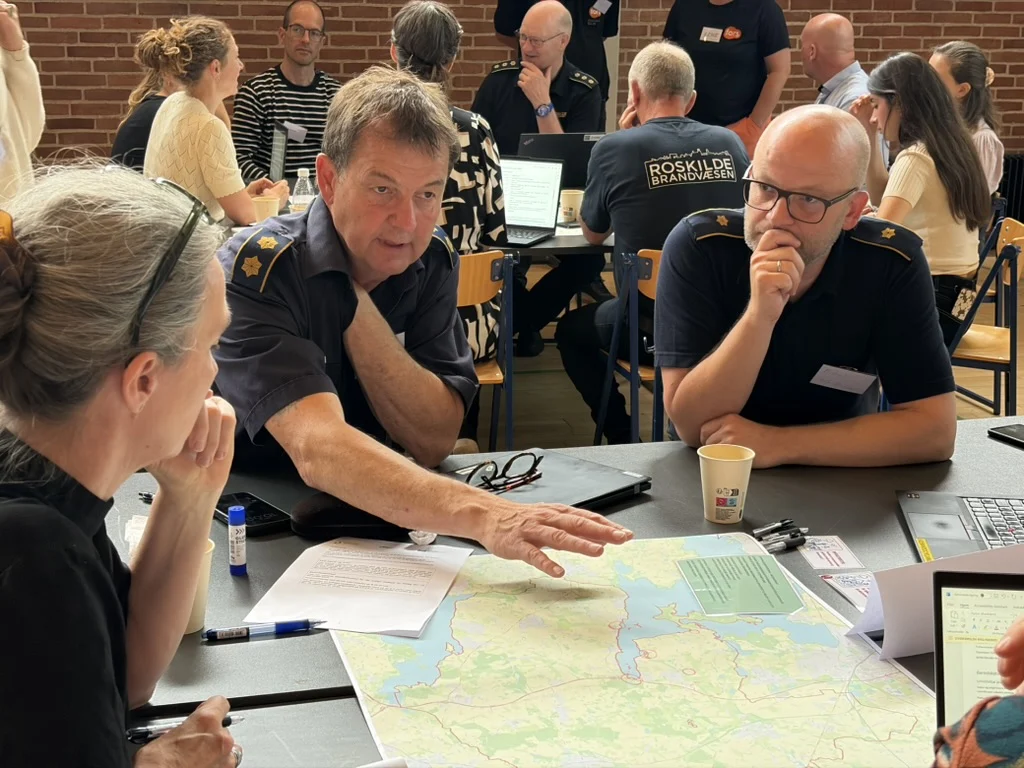
A session with Roskilde Fjord stakeholders. Photo: Natascha Ng / SEI
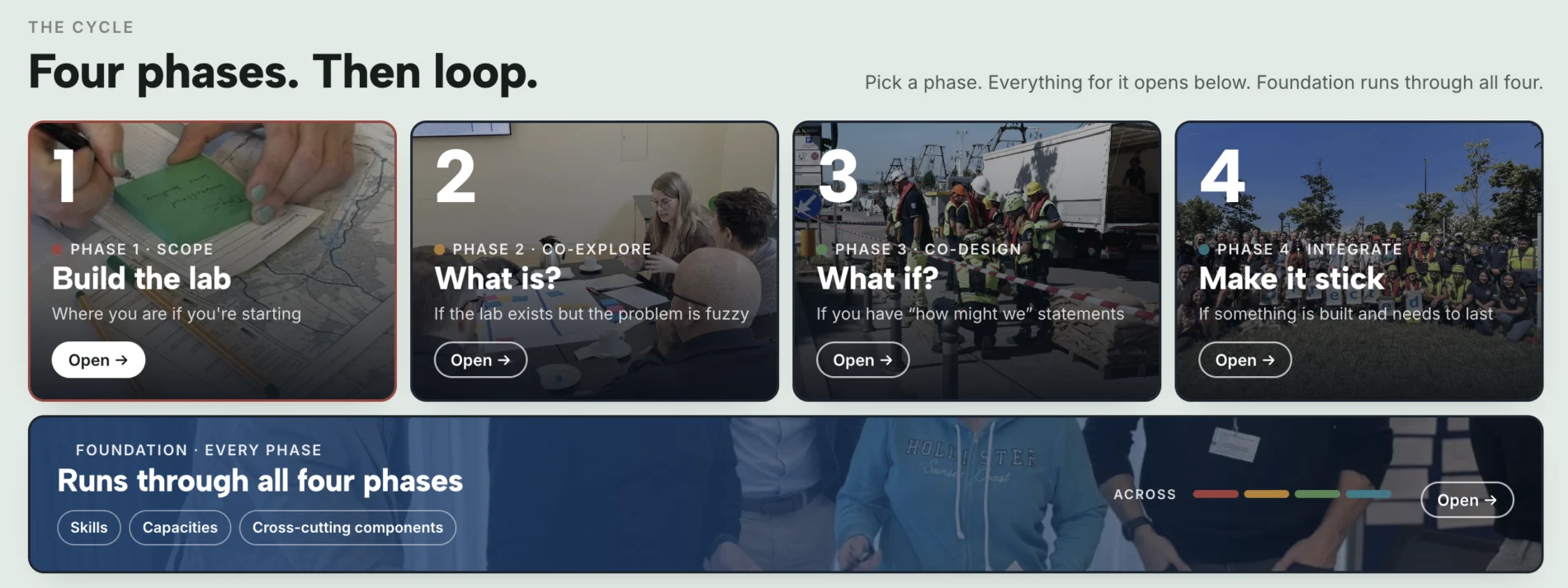
The updated framework guides users through four interconnected, iterative phases:
Rather than prescribing a linear process, Tandem encourages users to revisit these phases as knowledge, relationships, capacities and priorities evolve.
Four phases of Tandem guidance, taken from weADAPT
A central feature of the updated guidance is its emphasis on learning by doing. Alongside guiding questions, users can access training modules, downloadable facilitation canvases and collaborative workshop resources to apply Tandem in their own contexts.
The guidance places greater emphasis on key, emerging topics, among them using systems thinking, addressing cascading risks, and preventing maladaptation. The updates offer:
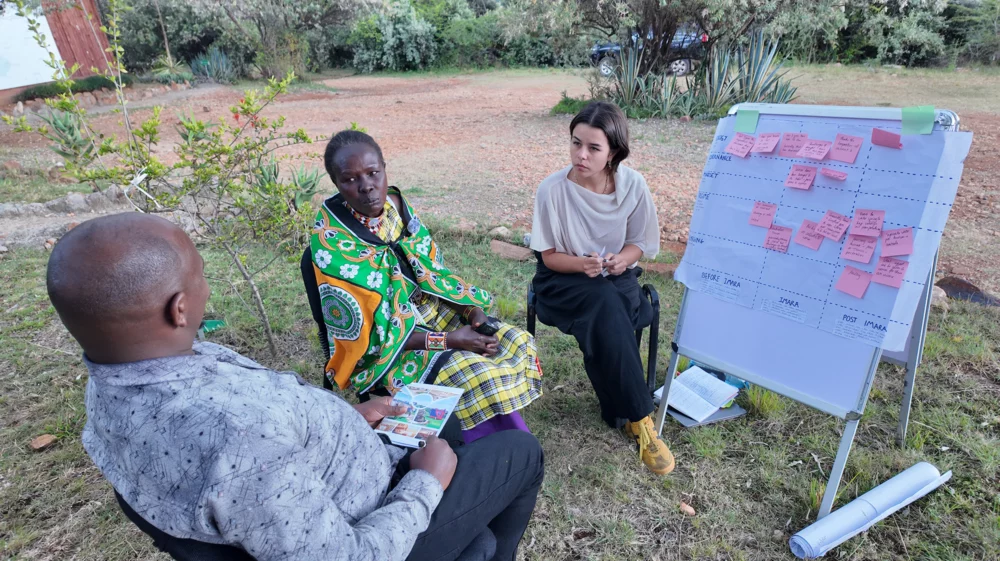
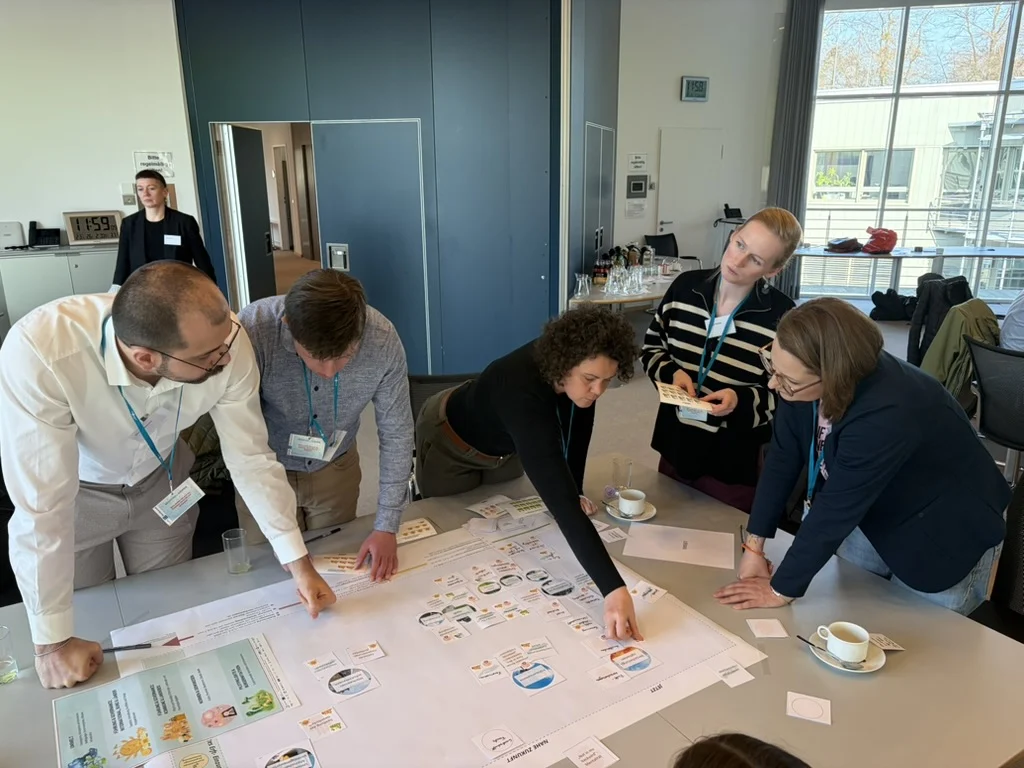
Stakeholders in a “Real-world Lab” at the Erftverband (water board), North Rhine-Westphalia, Germany. Photo: Natascha Ng / SEI
These resources help practitioners:
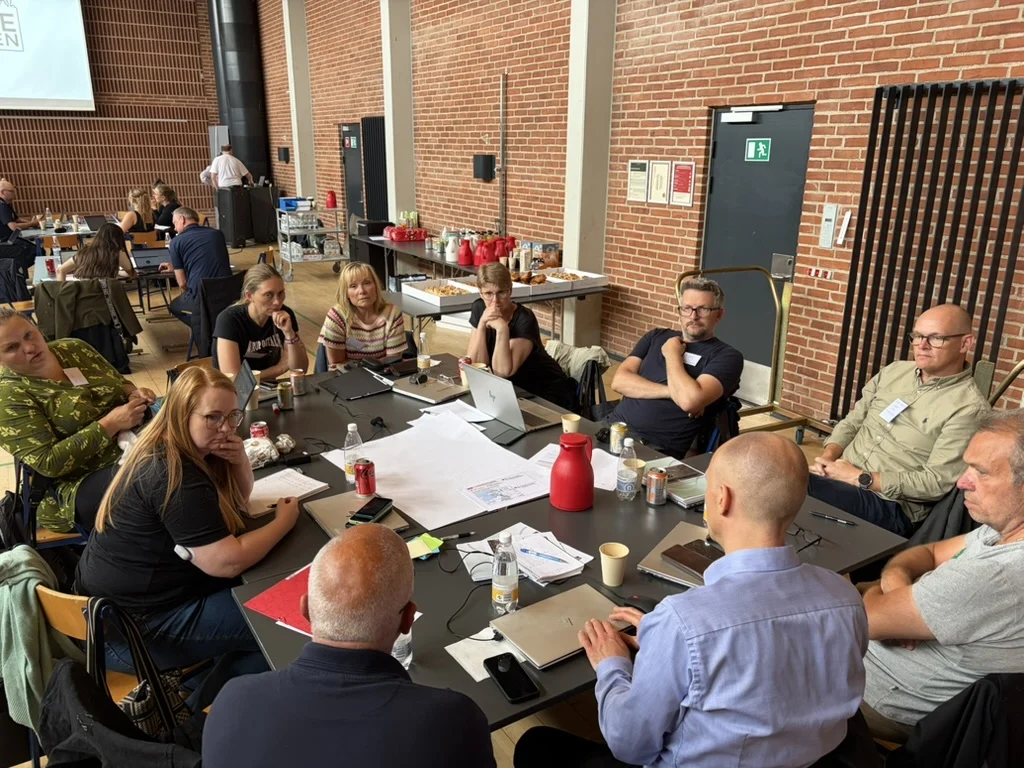
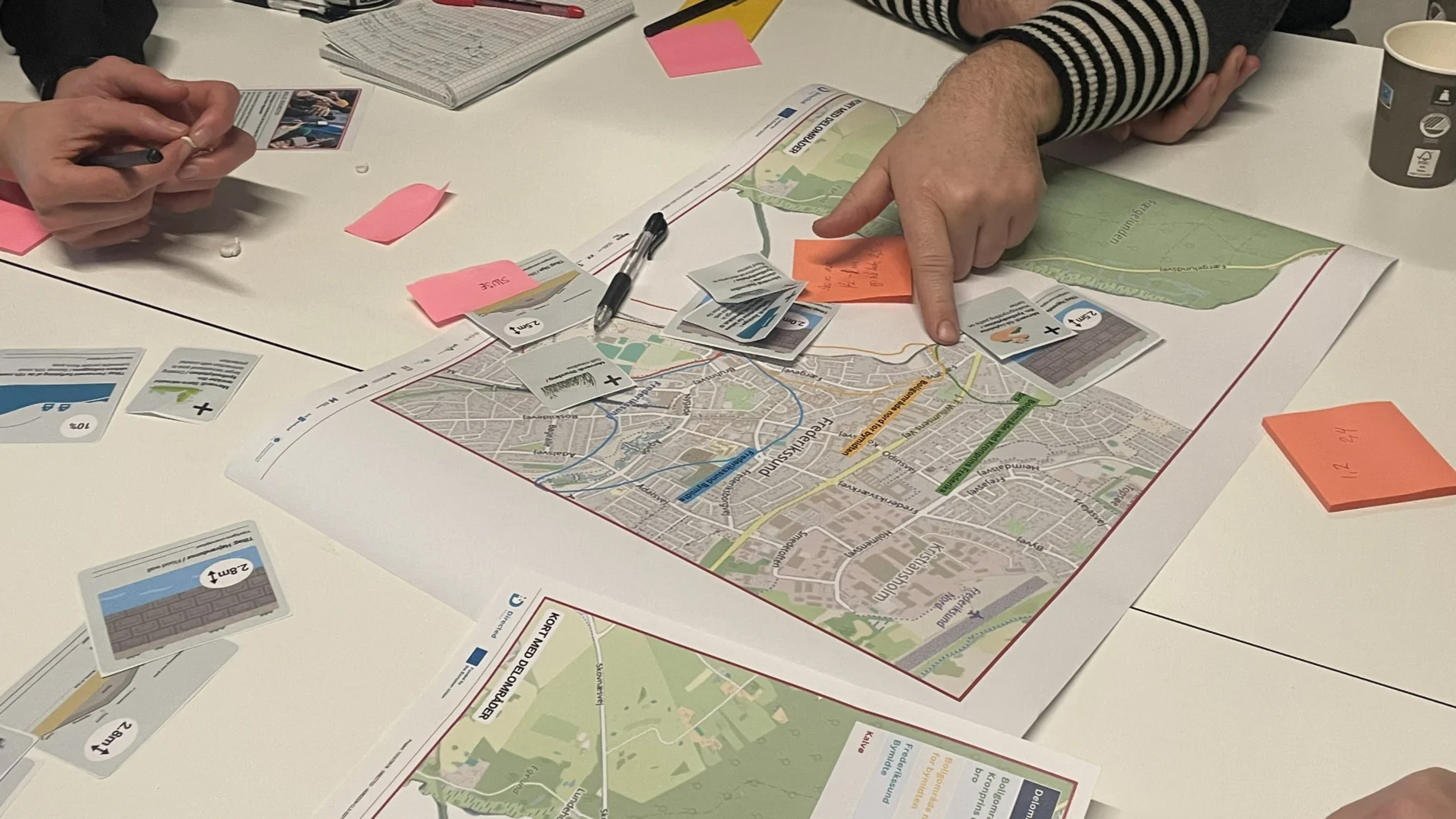
From a workshop in Denmark. Photo: Natascha Ng / SEI
The DIRECTED project has provided SEI with opportunities to test and strengthen Tandem in practice. in four different regions:
These areas operated as the project’s Real-word labs, allowing us to explore and discover ways to make approaches more accessible and transferable – all the while recognizing that successful co-production must always be adapted to local contexts.
The Erftverband workshop in Germany. Photo: Natascha Ng / SEI
Project / The EU Horizon project DIRECTED aims to improve the governance and management of climate disasters across multiple civil society and emergency agencies.
Tool / The Climate Connectivity Hub a search-and-discovery tool on disaster risk reduction, climate change adaptation, and climate change mitigation.
Project / The FAIR2Adapt project seeks to improve the accessibility and interoperability of data needed to inform climate change adaptation efforts.
Perspective / Asia’s next financial revolution must make climate adaptation finance accessible to vulnerable households and small businesses.
Media advisory / Experts from SEI will be at CBD COP17 in Yerevan from 19–30 October and are available for commentary and analysis.
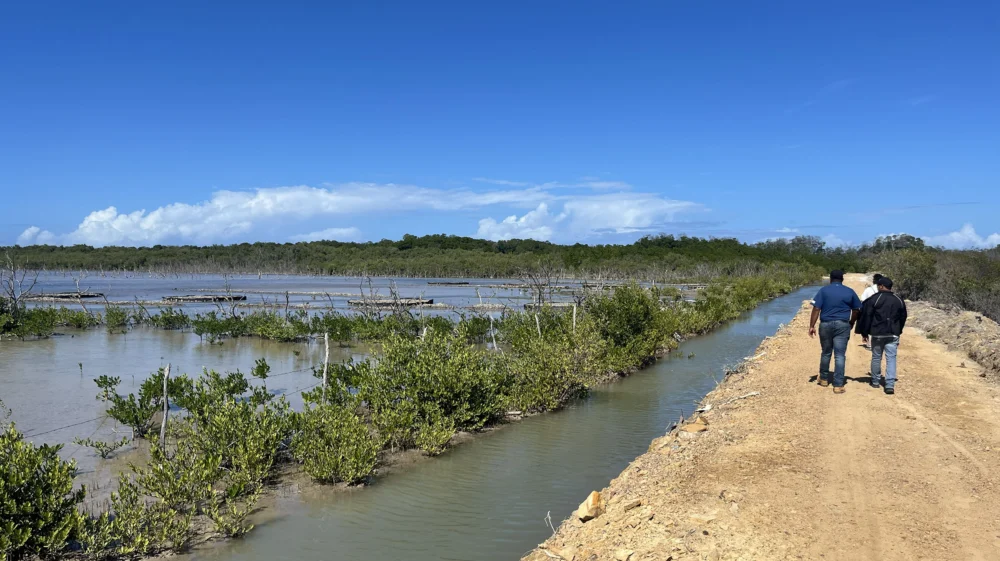
Feature / Mangroves are returning to Montecristi, where an SEI-led living lab is piloting a comprehensive restoration approach.