Photo: Pascal Bernardon / Unsplash
From farms to forests to the world’s rapidly growing cities, SEI research explores the diverse sustainability aspects of how we live on land.
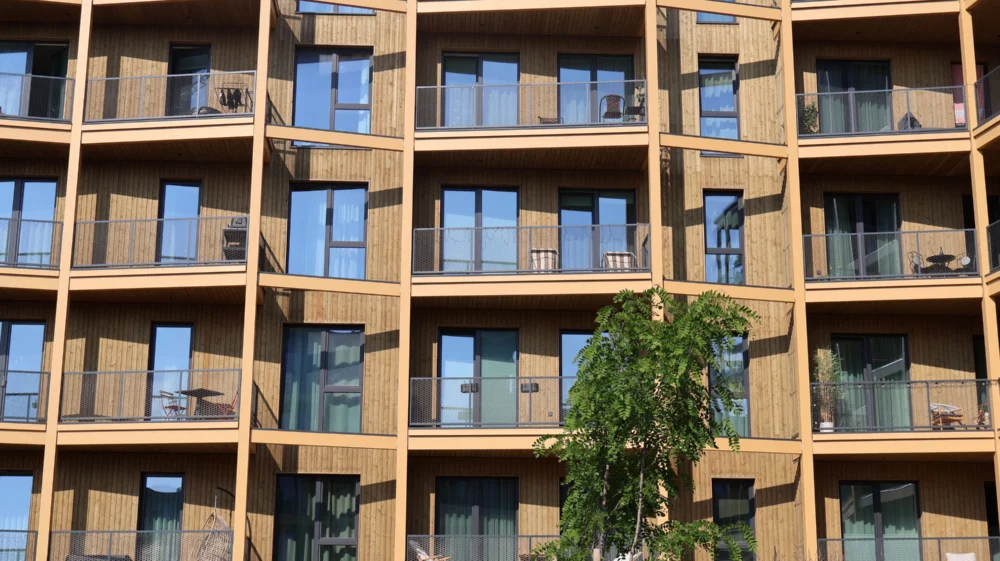
More than 65% of the world's population are projected to live in cities by 2050, with major implications resource use, energy, water and sanitation, and health and well-being. At the same time urbanization can bring benefits, especially efficiency gains. SEI examines these challenges in the round to advance sustainable urbanization.
Journal article / This article maps consumer carbon footprints by urban density in Europe, revealing what drives the changes.
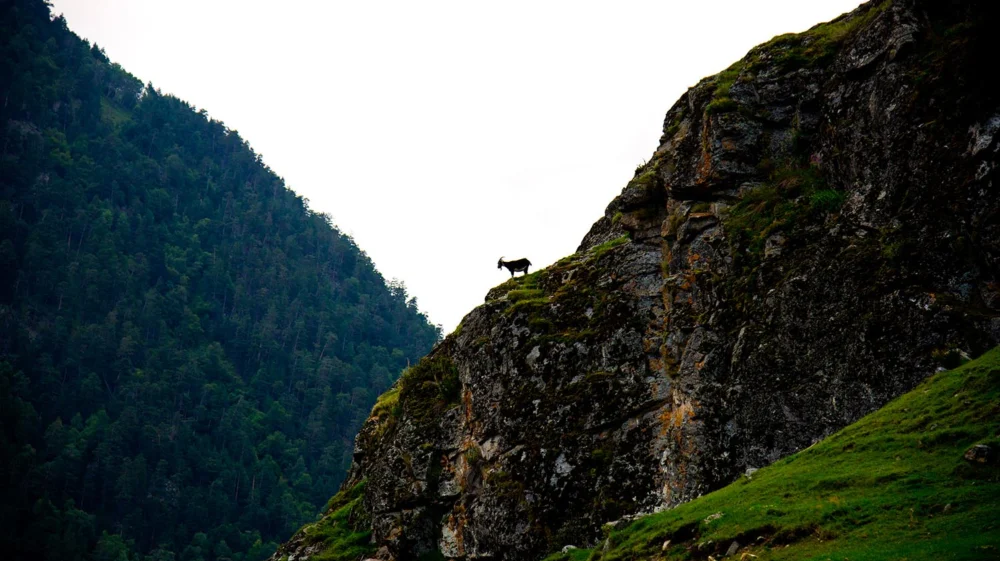
Ecosystems clean water and air, regenerate soils, provide us with food and materials, and more. SEI works at the intersection between human needs and healthy ecosystems to protect human well-being over the long term.
Event on 19 October – 30 October in Yerevan / Join SEI at CBD COP17 in Armenia where our research will help advance global biodiversity action and sustainable development.
How can we meet the nutritional needs and expectations of a growing world population? And how do we do it without compromising long-term sustainability? SEI research explores the transition to sustainable food and agricultural systems.
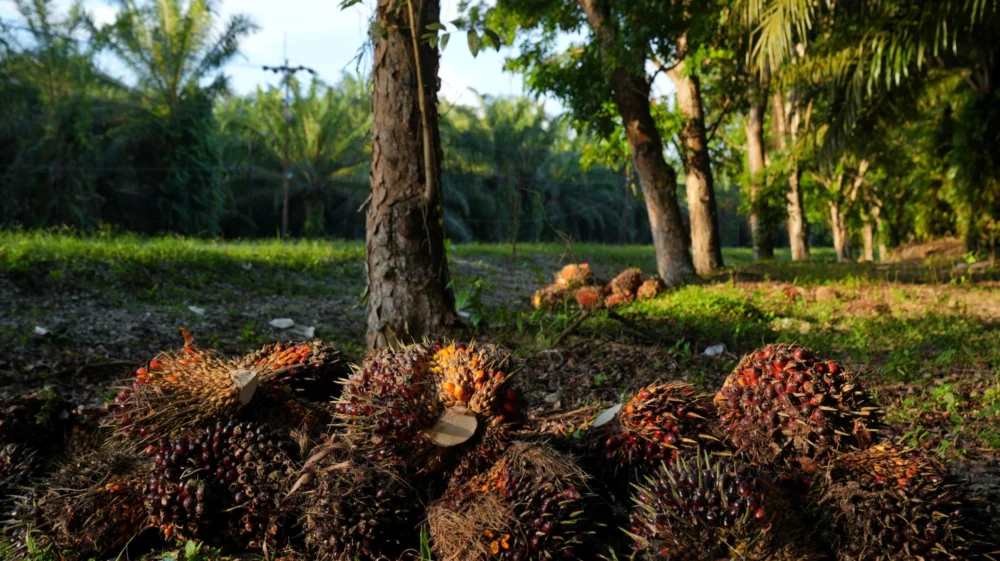
Press release / New Trase data analysis highlights the need for stronger supply chain transparency as domestic demand grows and export data gaps widen.
Forests are some of the planet's most critical ecosystems, acting as carbon sinks, biomass factories and homes to rich biodiversity. SEI research looks at the impacts of land-use change and how to combine forest protection with the growing demand for land, food, energy and green space.
Press release / New Trase data analysis highlights the need for stronger supply chain transparency as domestic demand grows and export data gaps widen.
How can we meet the growing global demand for food and other biomass-based products in a way that protects valuable ecosystems?
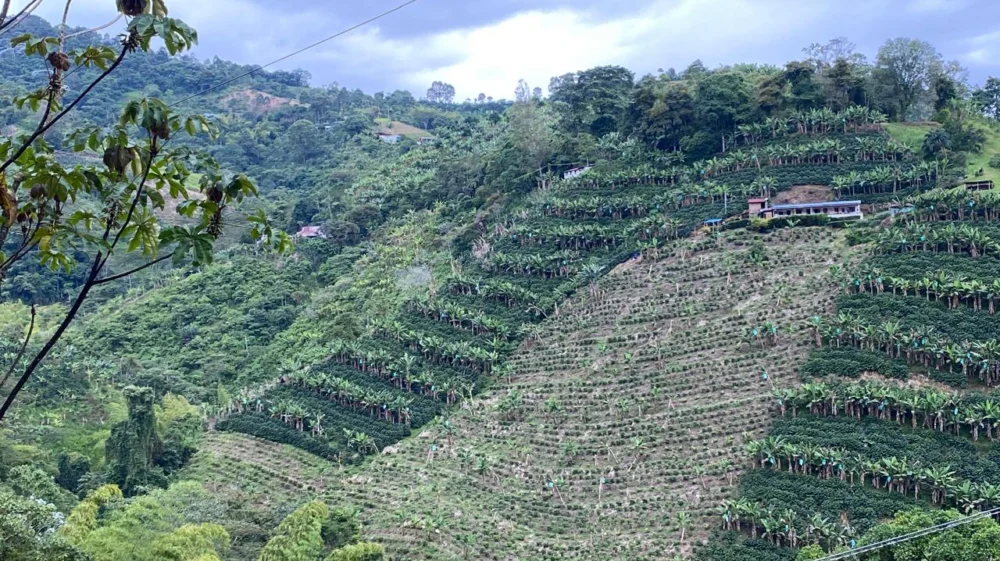
Feature / Coffee grower José María González Salazar is trying to preserve trees and crystal clear water through agroecology and multifunctional landscapes.