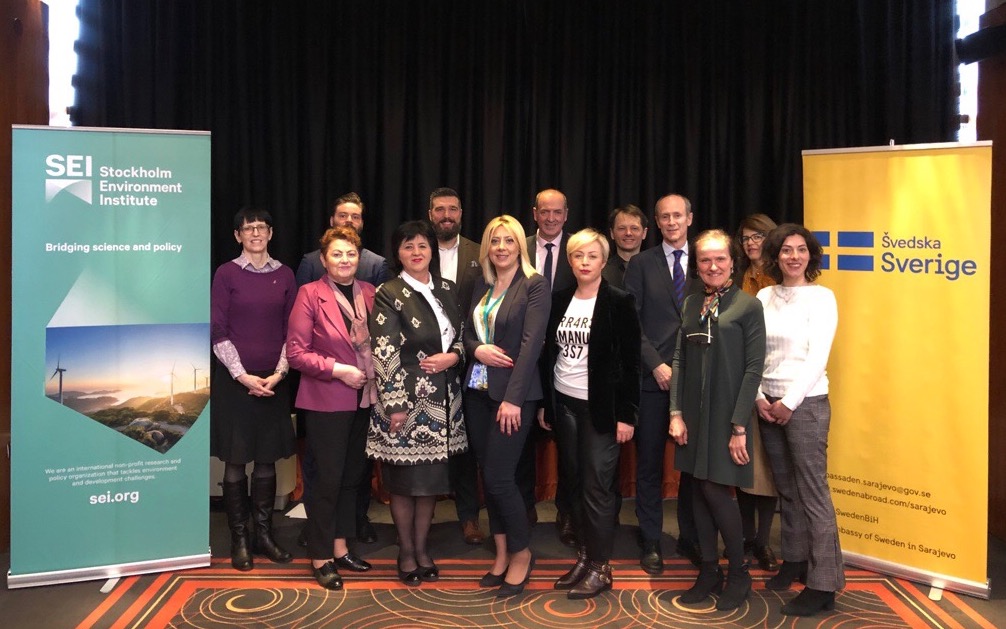
On 3 March, the Steering Board for preparation of Bosnia and Herzegovina’s new environmental strategy and action plan for 2030 and beyond, ESAP 2030+, met in Sarajevo for the first time.
First steering board meeting of the BiH ESAP 2030+ project. Photo: Anneli Sundin
The meeting brought together ministers and other high-level representatives from the Ministry of Foreign Trade and Economic Relations of Bosnia and Herzegovina (BiH), the Federation of Bosnia and Herzegovina, Republika Srpska and Brčko District, as well as, the Embassy of Sweden to BiH, and the EU Delegation in BiH, who together constitute the Steering Board.
The meeting presented and agreed on the project’s aims and activities, along with plans for the coming six months, including the key milestones and meetings. The participants also discussed the strategic goals of ESAP 2030+:
“We are very happy to see this materializing and that implementation has begun. This strategy brings everyone in BiH together under the umbrella of environment. Sweden appreciates that there is commitment from all levels of government. We believe that high-level participation in the process will generate good results benefitting the environment and the people of BiH. Also, it will make important contributions to the EU accession process, as well as the BiH’s commitment to fulfil Agenda 2030.”
— Torgny Svenungsson, Counsellor and Deputy Head of Mission, Embassy of Sweden to Bosnia and Herzegovina
BiH ESAP 2030+ will comprise the BiH Environmental Strategy and Action Plan, and coherent environmental strategies and action plans for the Federation of Bosnia and Herzegovina, Republika Srpska and Brčko District. The project aims to:
During the two-and-a-half-year project, SEI will collaborate with authorities at national and entity levels and in Brčko District.
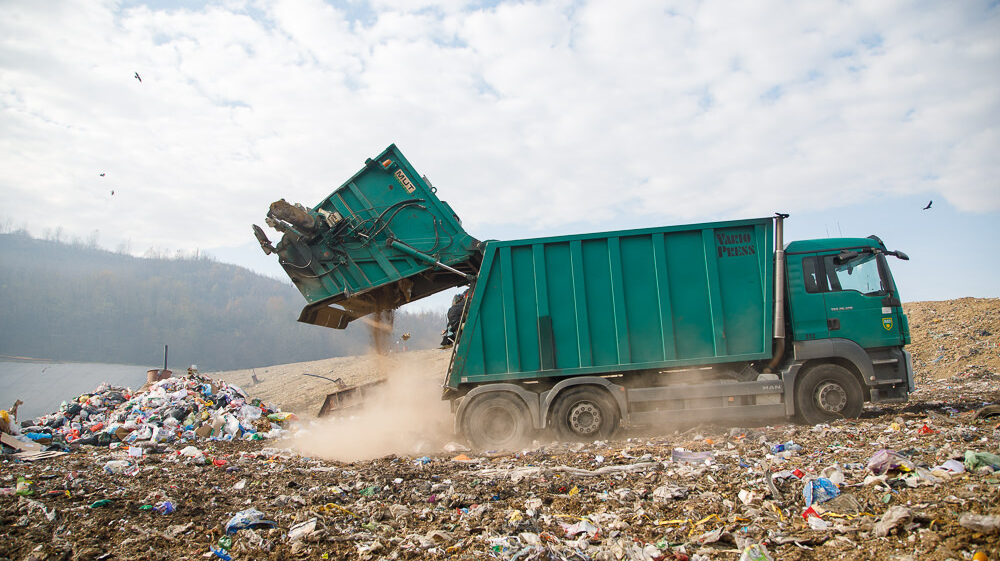
According to a UN Environmental Performance Review of Bosnia and Herzegovina, progress has been made over the last decade in addressing environmental issues. Major environmental challenges still facing Bosnia and Herzegovina include air pollution; waste management and wastewater treatment; deforestation; the impact of hydropower on water resources and biodiversity; and a need for more protected areas.
The work is financially supported by the Swedish Embassy to Bosnia and Herzegovina and the Swedish International Development Cooperation Agency (Sida).
Project / The ESAP 2030+ project supports the development of a Bosnia and Herzegovina country-wide environmental strategy and action plan.
SEI brief / SEI will support Bosnia and Herzegovina to collaboratively develop an environmental strategy and action plan.
Press release / SEI is supporting Bosnia and Herzegovina (BiH) in preparing an environmental strategy and action plan for 2030 and beyond.
Past event / The 2019 Gordon Goodman Memorial Lecture was delivered by Sverker Sörlin, a Swedish historian of ideas and a professor in environmental history.