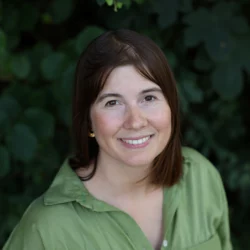
SEI researcher Charlotte Wagner joins a new FAO expert group to guide countries on reducing livestock greenhouse gas emissions.

Photo: Charlotte Wagner.
SEI researcher Charlotte Wagner has been appointed to the UN Food and Agriculure Organization’s (FAO) Livestock Environmental Assessment and Performance Partnership (LEAP) Technical Advisory Group (TAG). Over the next two years, the group will develop guidelines to help countries incorporate greenhouse gas mitigation strategies from animal agriculture into national emissions inventories.
Charlotte was selected from a pool of more than 160 specialists representing 48 FAO member states. She joins 44 other experts from around the world. Together, they will support countries in integrating livestock emission mitigation actions that are accurate, transparent and consistent with international methodologies and reporting requirements.
Livestock production is central to livelihoods and food security worldwide. With the right practices it can also contribute to more sustainable, circular bioeconomies that lower overall emissions. At the same time, animal agriculture is a significant source of greenhouse gases – particularly methane and nitrous oxide – generated by livestock, manure and feed production, as well as transport and retail activities along the supply chain.
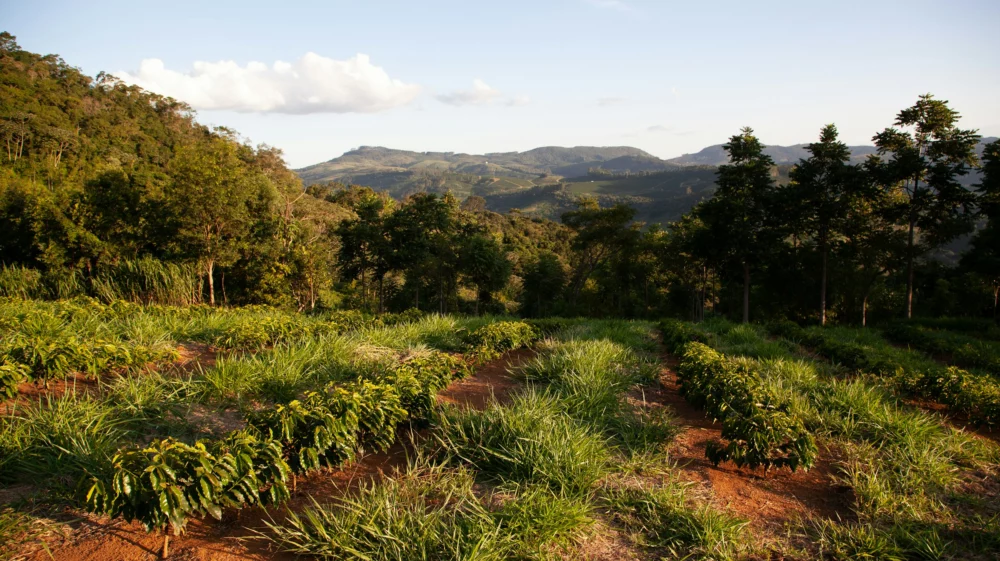
Charlotte brings modelling expertise across a wide range of land-use and farming systems, from monocultures to diversified and integrated systems. Her work demonstrates how multifunctional landscapes – where crops, livestock and other land uses are managed holistically – can improve resource cycling and reduce nitrous oxide emissions and the embedded emissions linked to feed production and transport.
“Over one billion people worldwide rely on livestock for their livelihoods, including over 600 million smallholder farmers. At the same time, animal agriculture accounts for approximately 15% of global greenhouse gas emissions, making reductions in this sector essential for effective climate mitigation. I am excited to contribute to the new guidelines, which will help countries address these emissions in a consistent, transparent and accurate way, and provide an important tool for meaningfully tackling agricultural emissions,” said Wagner.
Established in 2012, FAO LEAP is a multi-stakeholder partnership involving FAO member nations, the private sector and civil society. It supports sustainable and socially viable livestock supply chains through evidence-based policy guidance, consistent methodologies and climate action.
Read the FAO announcement about the new Technical Advisory Group members here.
One-SEI program / Finding synergies between otherwise competing land uses could reduce conflicts, prevent deforestation and biodiversity loss and support sustainable agriculture.
Feature / SEI’s Executive Director describes the critical role of healthy ecosystems for crisis preparedness and societal resilience.
Event on 28 October in Yerevan / Armenia faces waste disposal challenges alongside potential for resource recovery. We explore how to recover valuable resources and reduce pollution.
Media advisory / Experts from SEI will be at CBD COP17 in Yerevan from 19–30 October and are available for commentary and analysis.