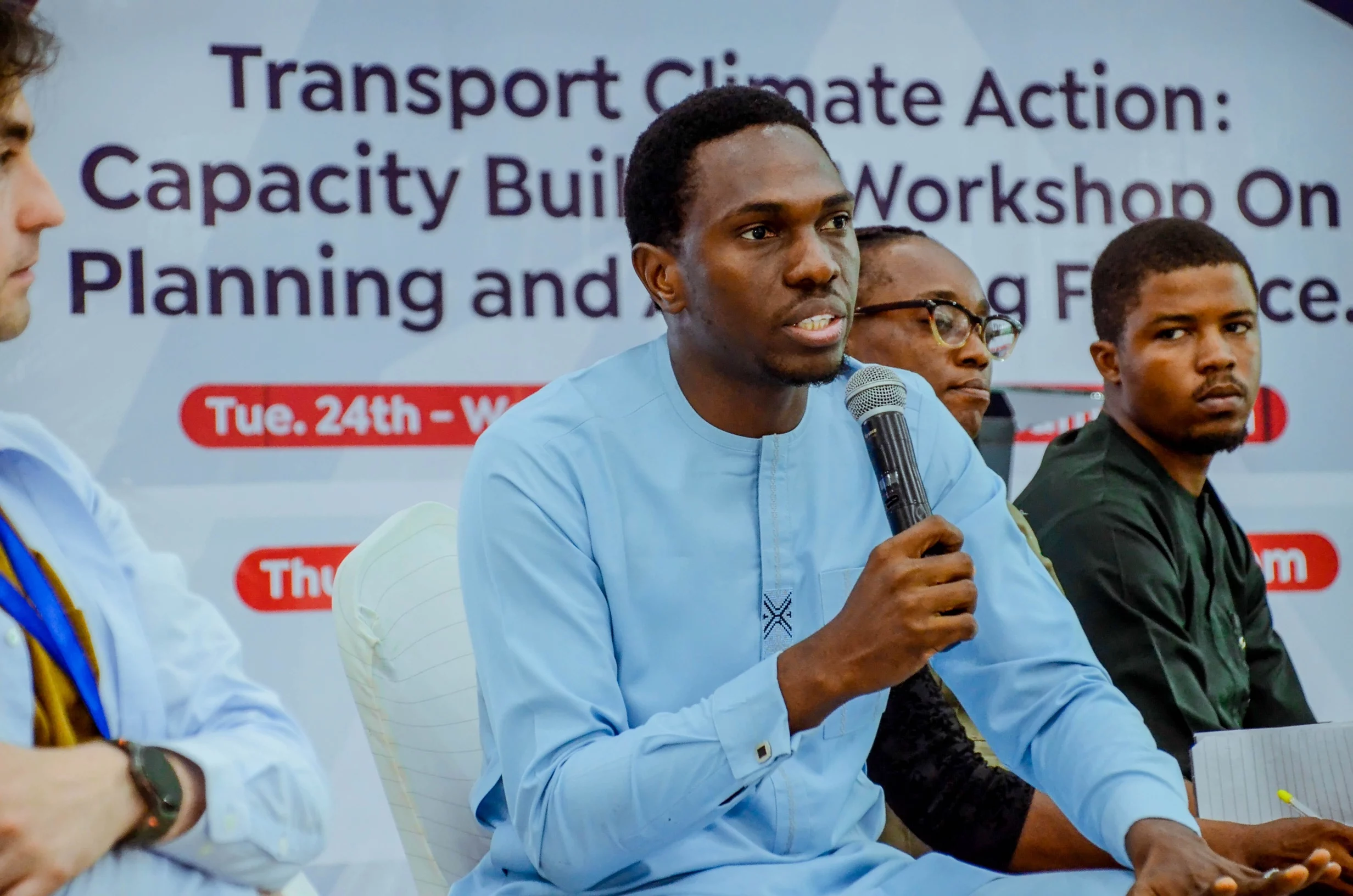
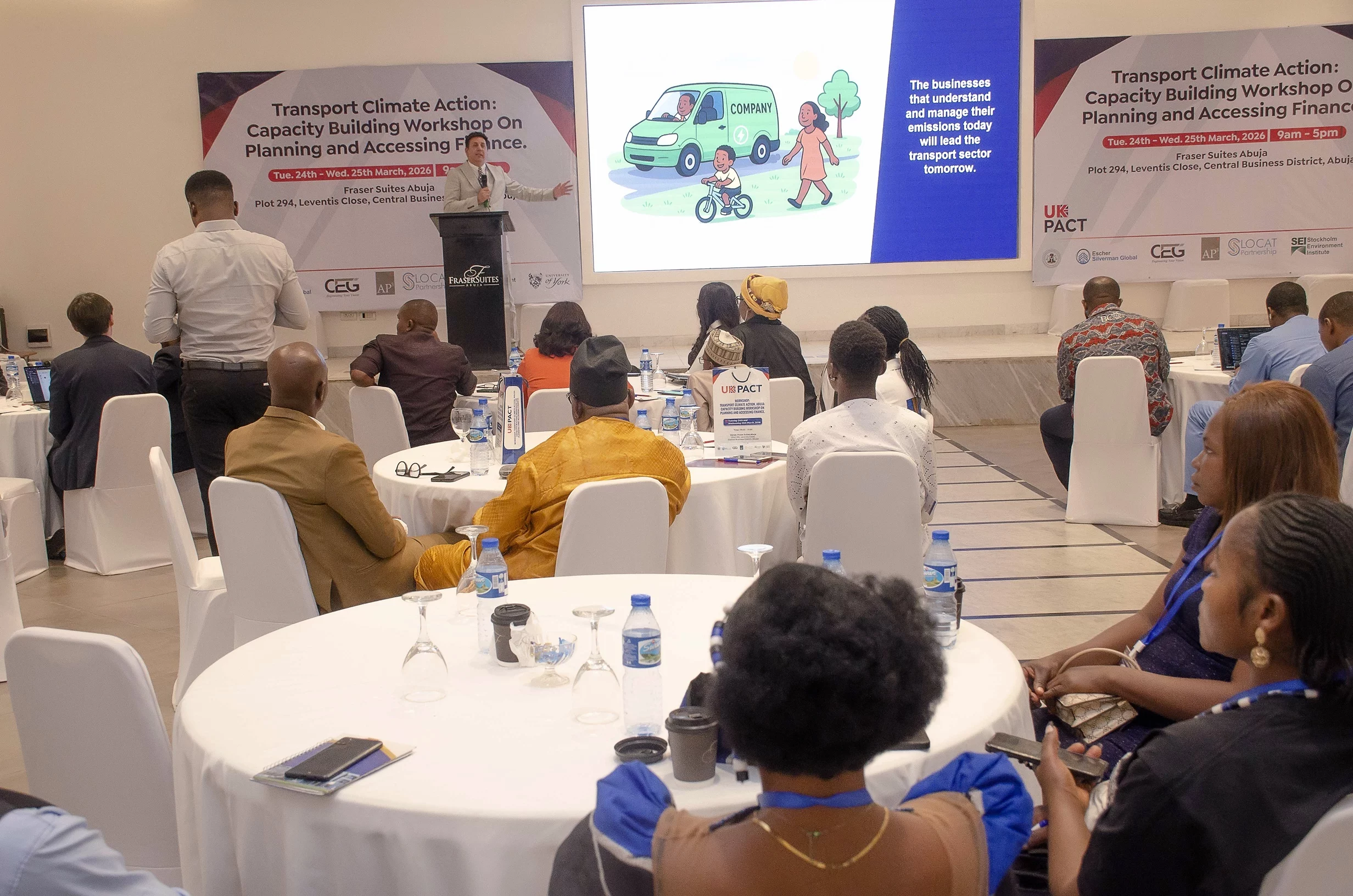
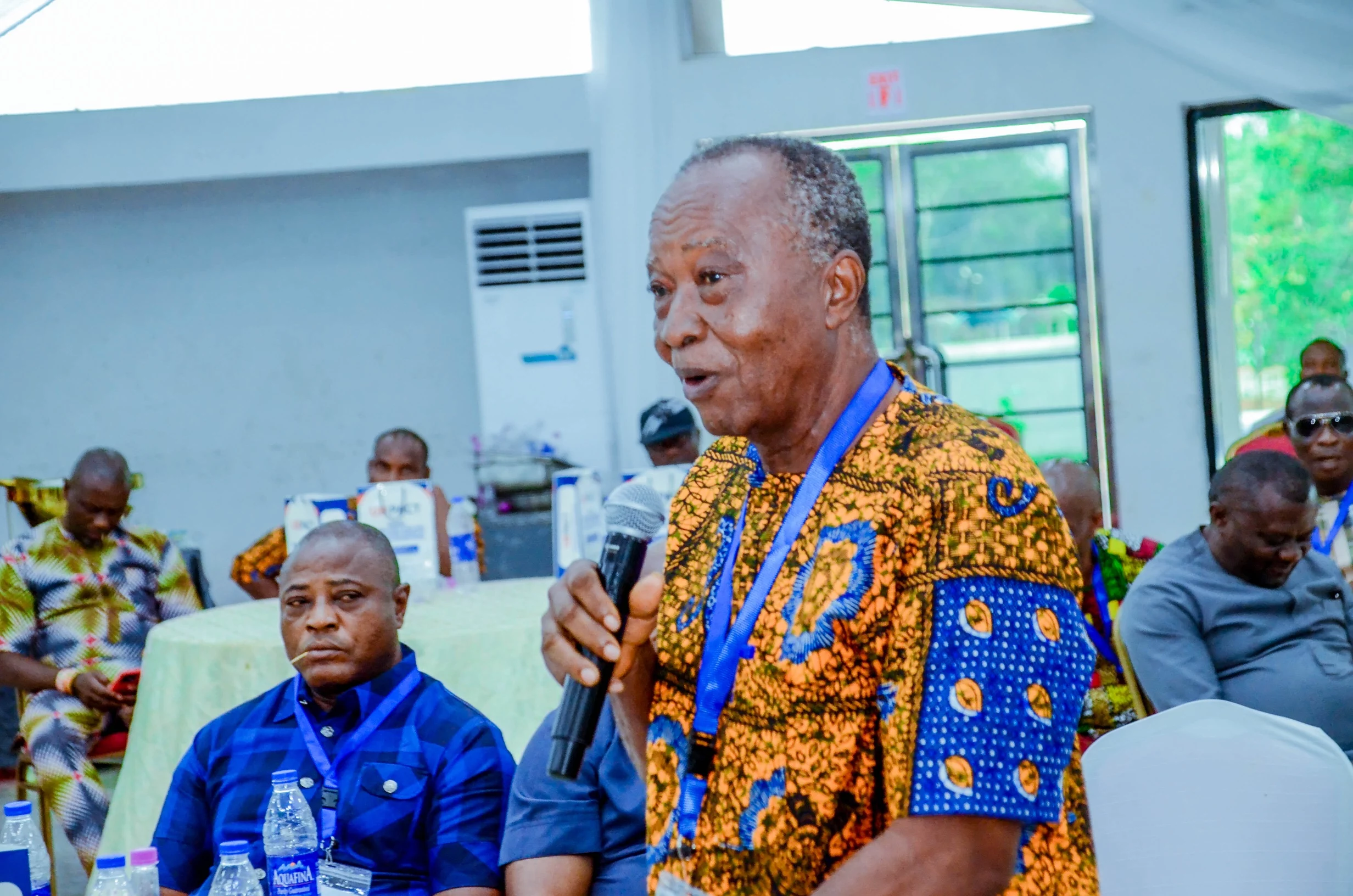
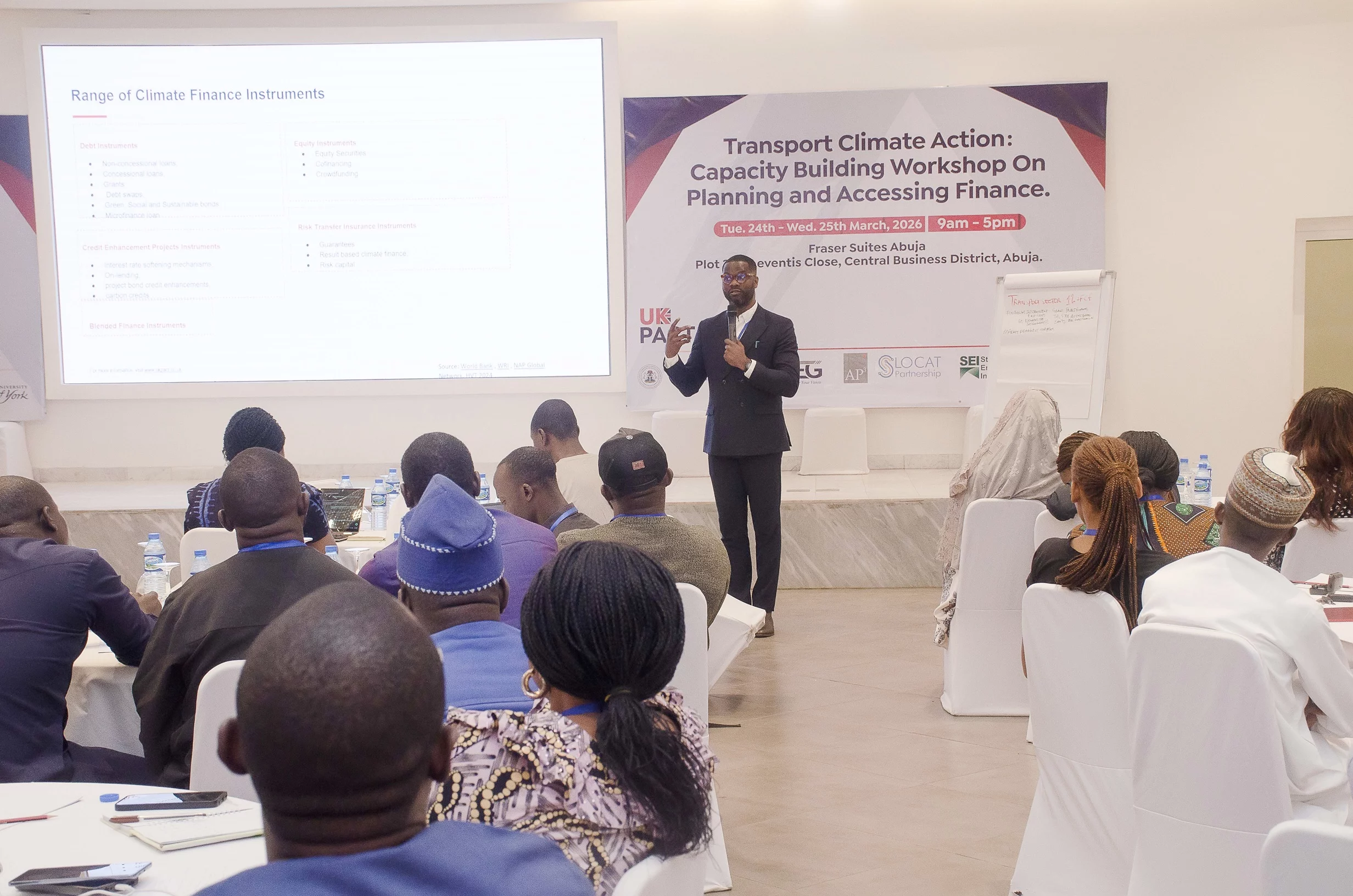
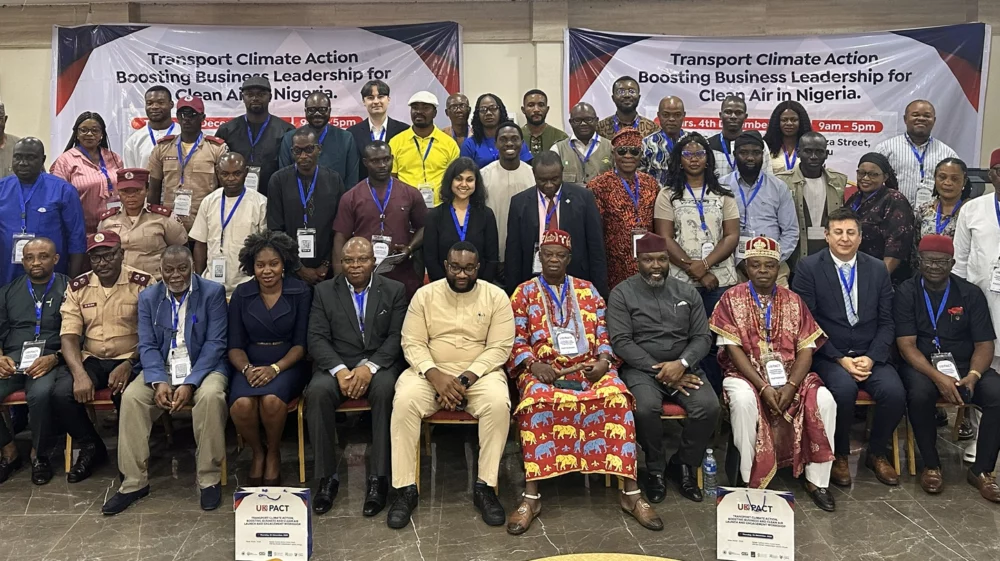
Through UK PACT-supported workshops in Abuja and Enugu, businesses, financiers and policymakers are shifting from climate ambition to implementation. By building technical capacity, improving access to finance and promoting practical tools, Nigeria’s private sector is emerging as a key driver of low-carbon transport solutions.
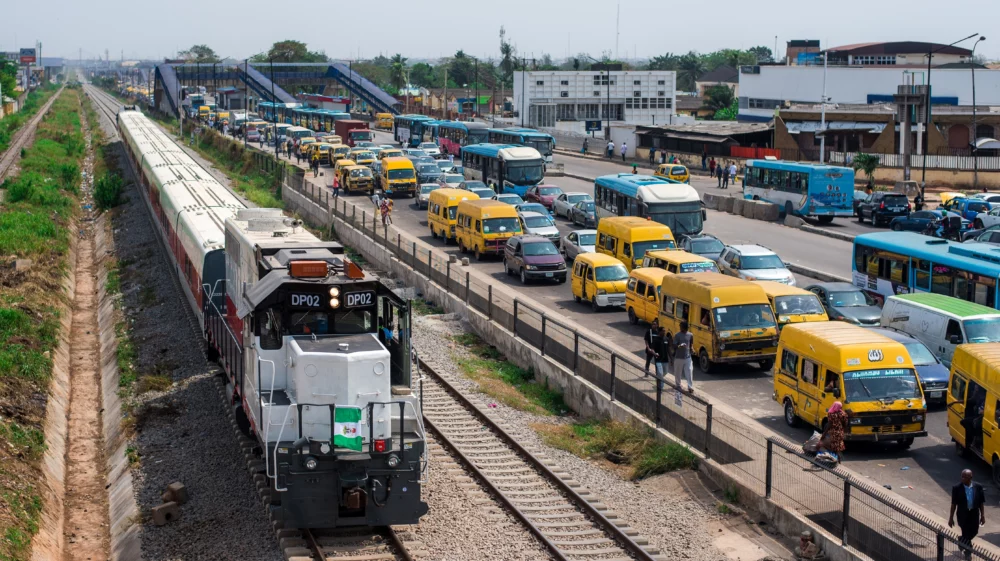
Rising temperatures in Nigeria are no longer abstract – they are a daily reality. As heat intensifies, so does reliance on fossil fuel-powered cooling, reinforcing a cycle of rising emissions. Breaking that cycle will require action across sectors, including transport, one of the country’s fastest-growing sources of greenhouse gas emissions.
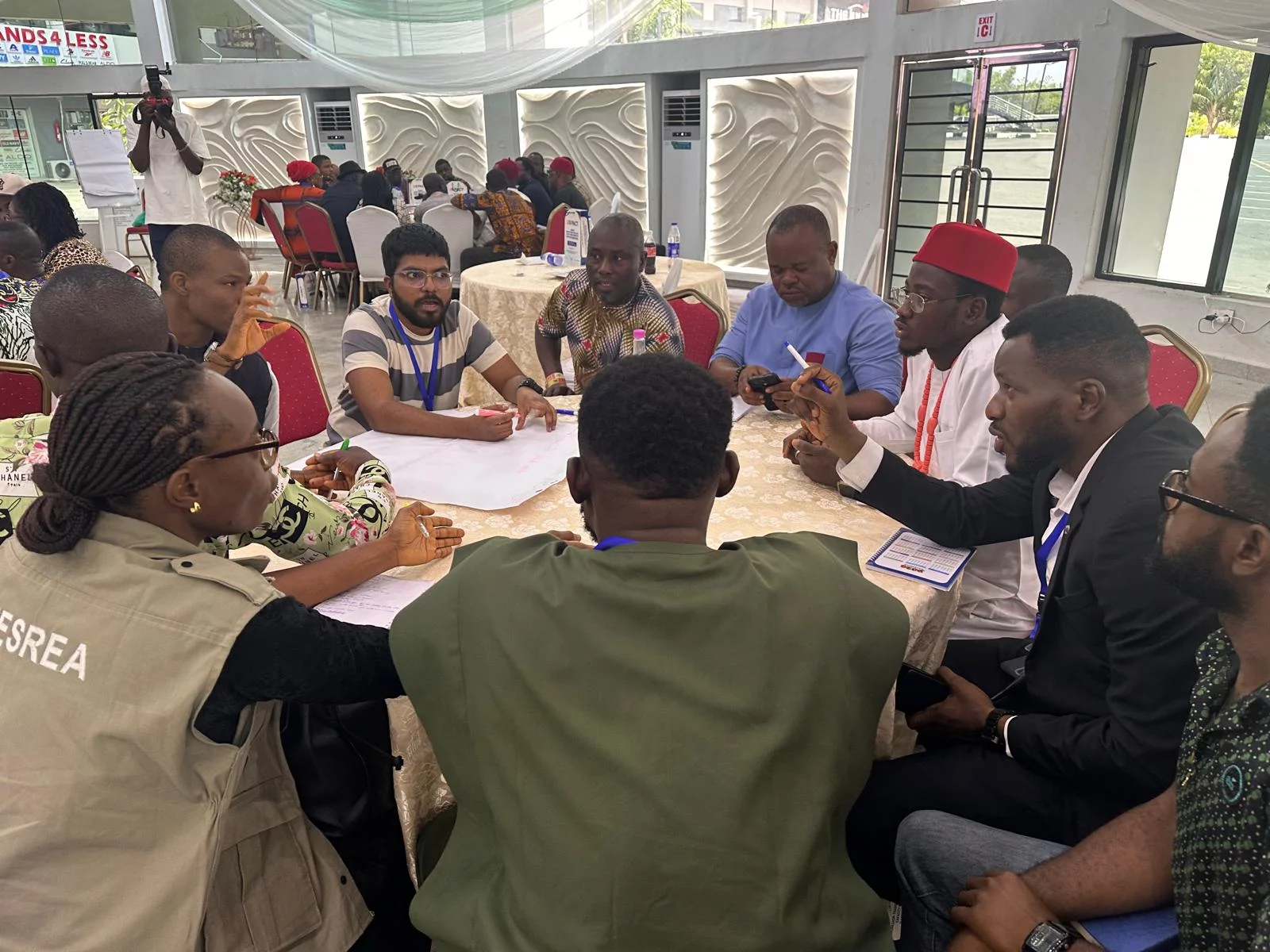
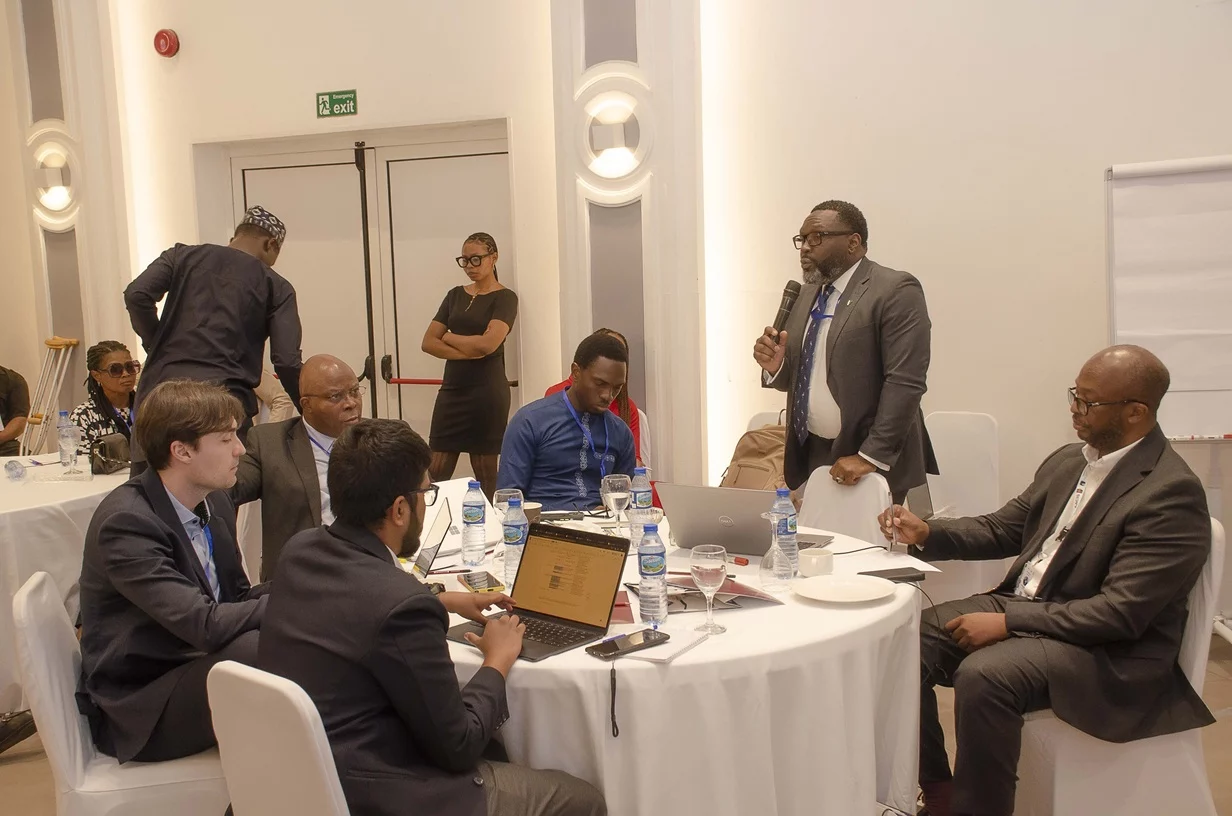
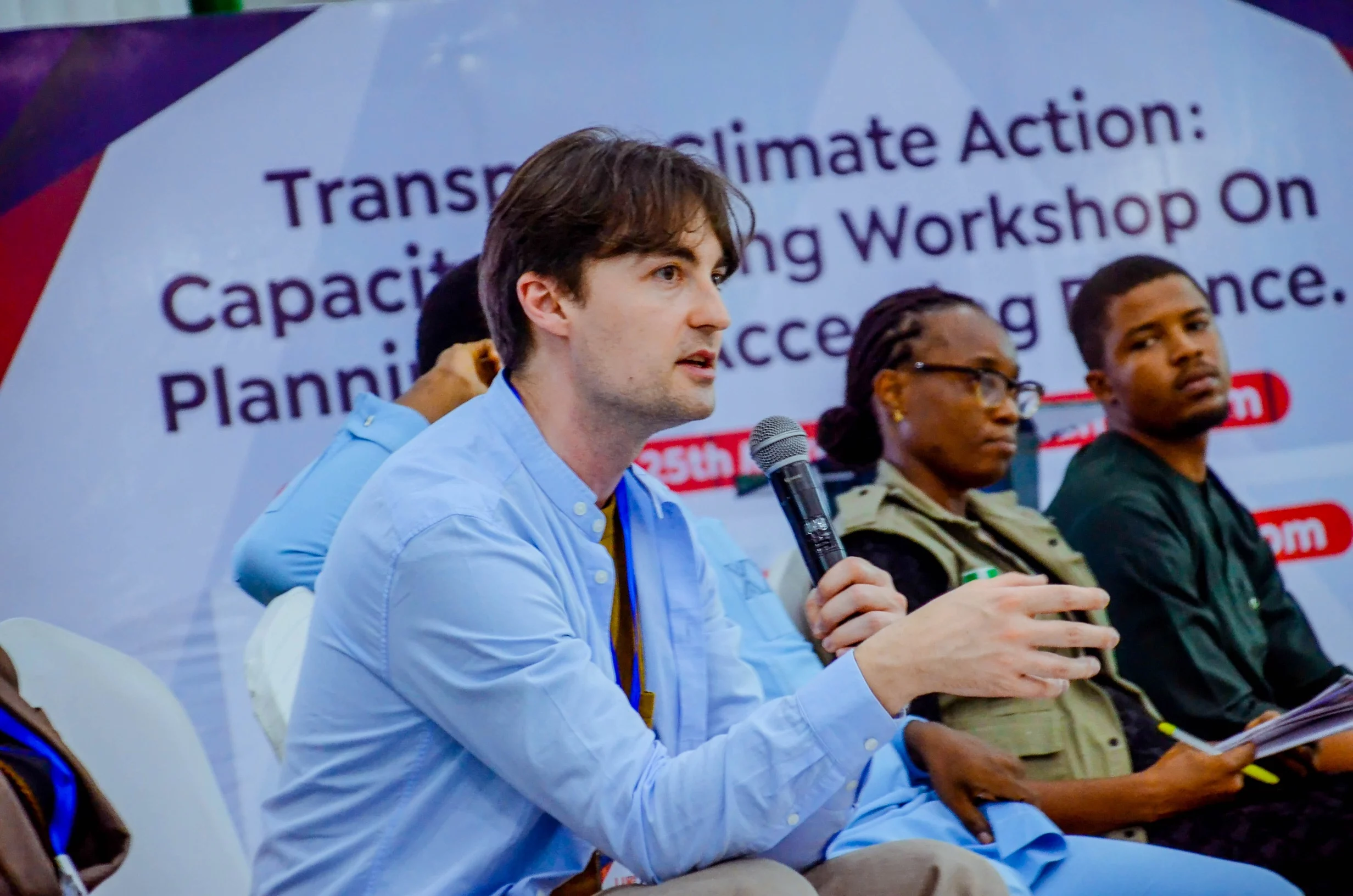
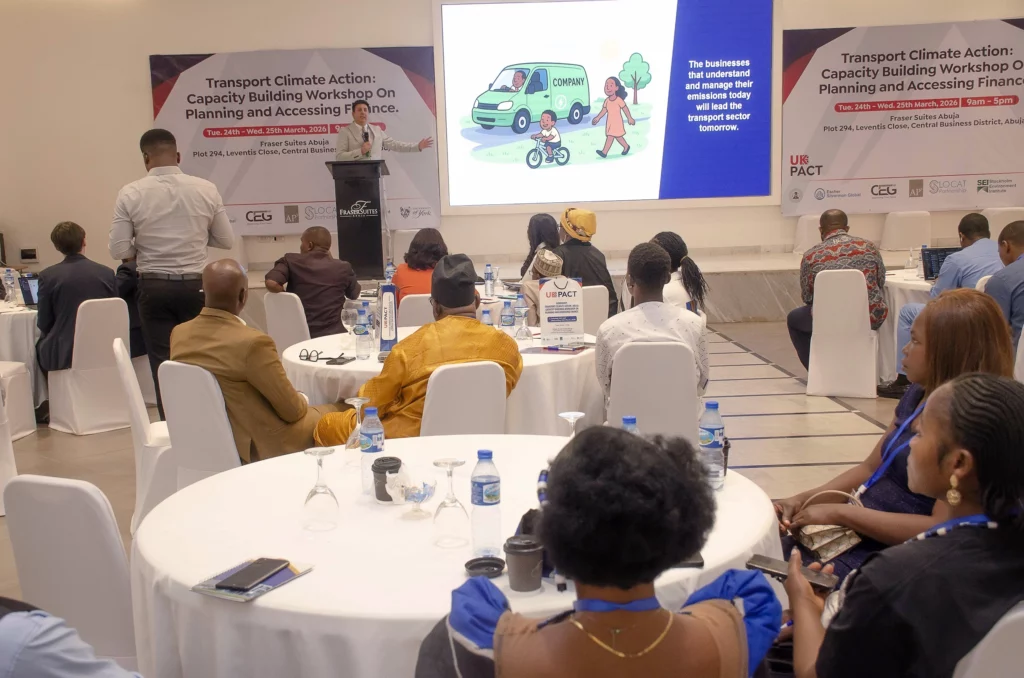
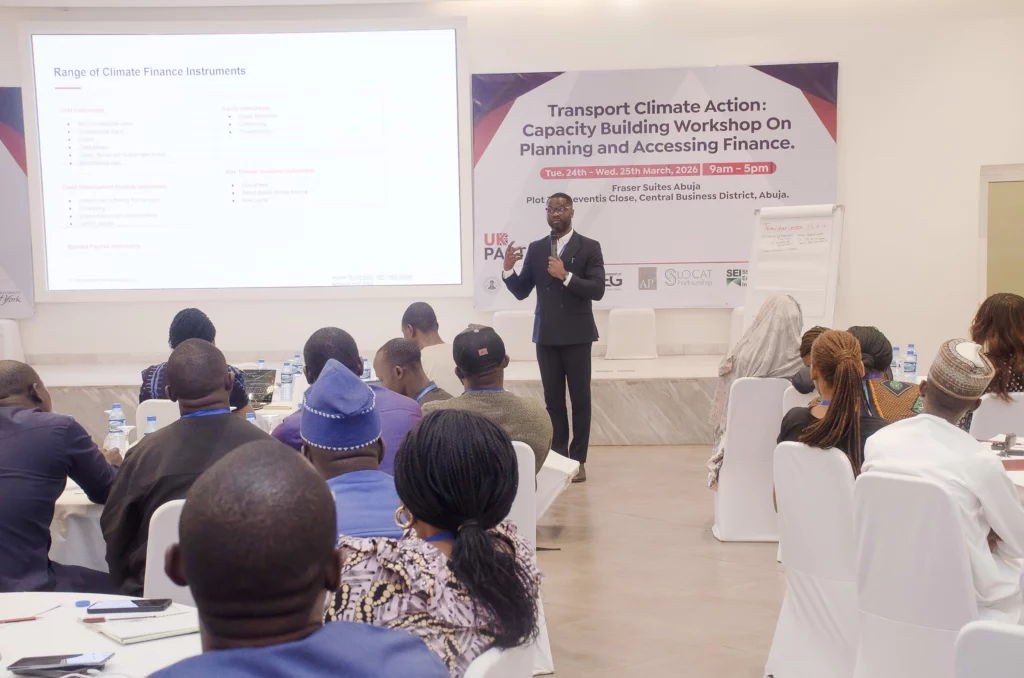
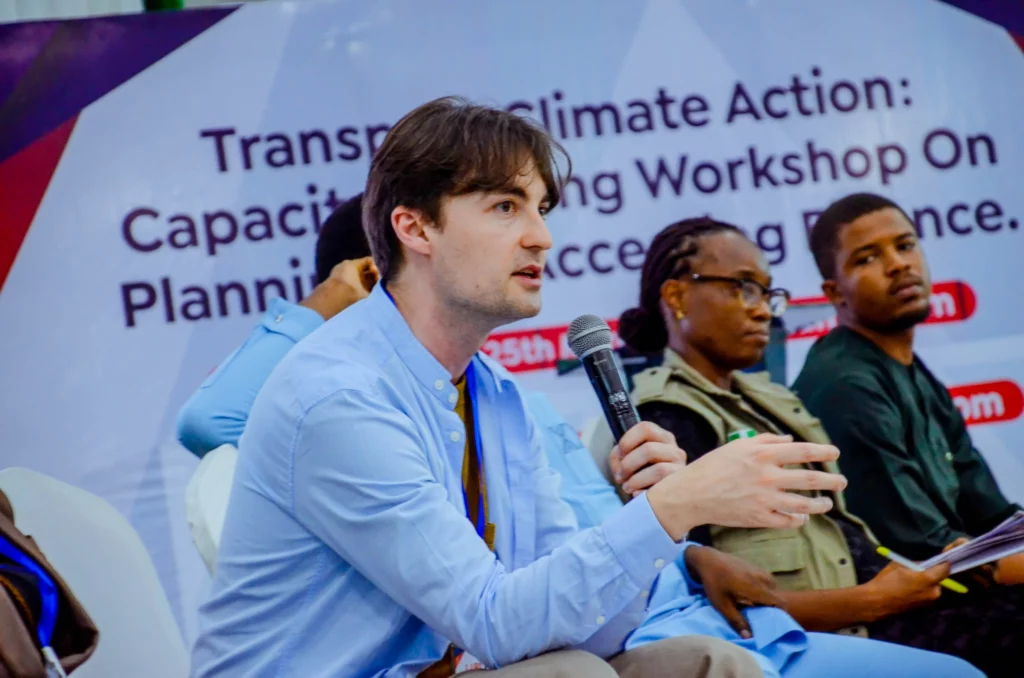
Against this backdrop, the UK PACT (Partnering for Accelerated Climate Transitions) program convened a series of workshops to strengthen private sector engagement in transport decarbonization. Titled “Transport climate action in Nigeria: planning and accessing finance,” the events took place in Abuja and Enugu under the Enhancing private sector capacity for climate and clean air action in Nigeria project.
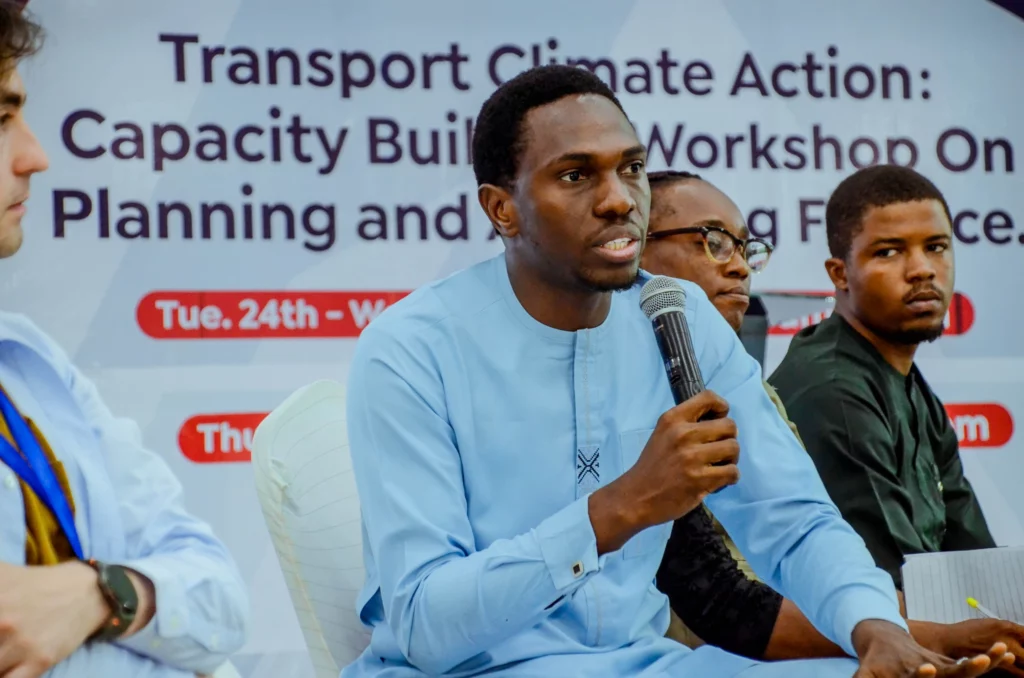
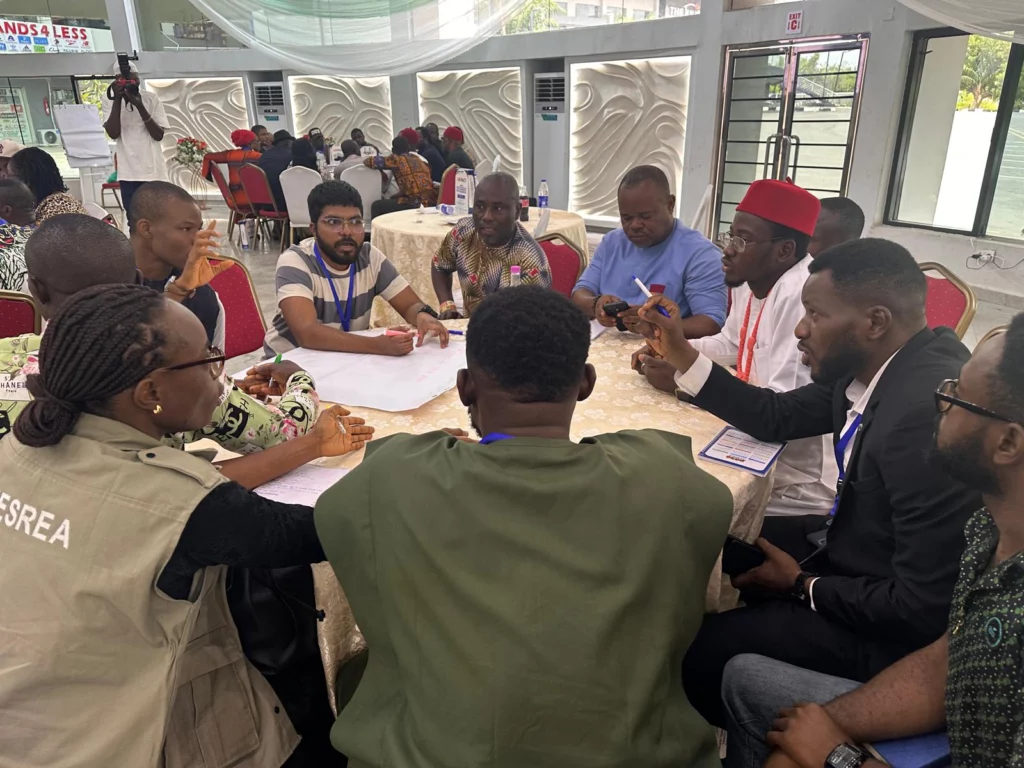
The workshops brought together business leaders, financial institutions, government representatives and civil society actors to explore how Nigeria’s transport sector can move from climate ambition to implementation.
Interest in the workshops exceeded expectations, with more than 200 organizations applying to participate and around 150 attendees joining sessions across both cities. The strong turnout reflected growing demand for practical tools to support climate action in Nigeria’s private sector.
Rather than focusing solely on policy frameworks, the workshops emphasized actionable steps businesses can take to reduce emissions. Participants were introduced to a seven-step framework for developing climate action plans, with guidance on how to begin measuring emissions and identifying mitigation opportunities within their operations.
Transport is Nigeria’s third-largest source of greenhouse gas emissions, accounting for around 15% of national emissions in 2023. The sector relies almost entirely on oil-based fuels, and emissions reached an estimated 59 million tonnes of CO₂ equivalent.
Our work is not just about climate; it is about partnering with Nigeria to create jobs and broaden prosperity. The work you are doing here – strengthening technical and financial capacity – is exactly what is needed to turn ambition into bankable, finance-ready projects that can attract real capital.
Grace Bell, First Secretary for Economic Development and Digital at the UK Foreign, Commonwealth & Development Office (FCDO) (opening remarks)
This momentum is reinforced by recent national policy developments. In March 2026, Nigeria expanded its Presidential Initiative on Compressed Natural Gas to include electric vehicles, signalling a broader shift toward cleaner transport solutions.
A central focus of the workshops was bridging the gap between climate ambition and investment readiness. While Nigeria mobilized an estimated USD 2.5 billion for climate action in 2021–22, only USD 215 million was directed to the transport sector. Yet achieving national climate goals will require an estimated USD 29.7 billion annually.
Sessions featuring the Bank of Industry, the Development Bank of Nigeria (DBN), and the Nigeria Sovereign Investment Authority (NSIA) highlighted what it takes for projects to attract financing.
The workshop also explored using practical financing approaches, including blended finance, guarantees to reduce investor risk, and vendor financing models that allow fleet owners to co-invest alongside suppliers. Overall, securing finance requires a structured, multi-stage approach to support project development.
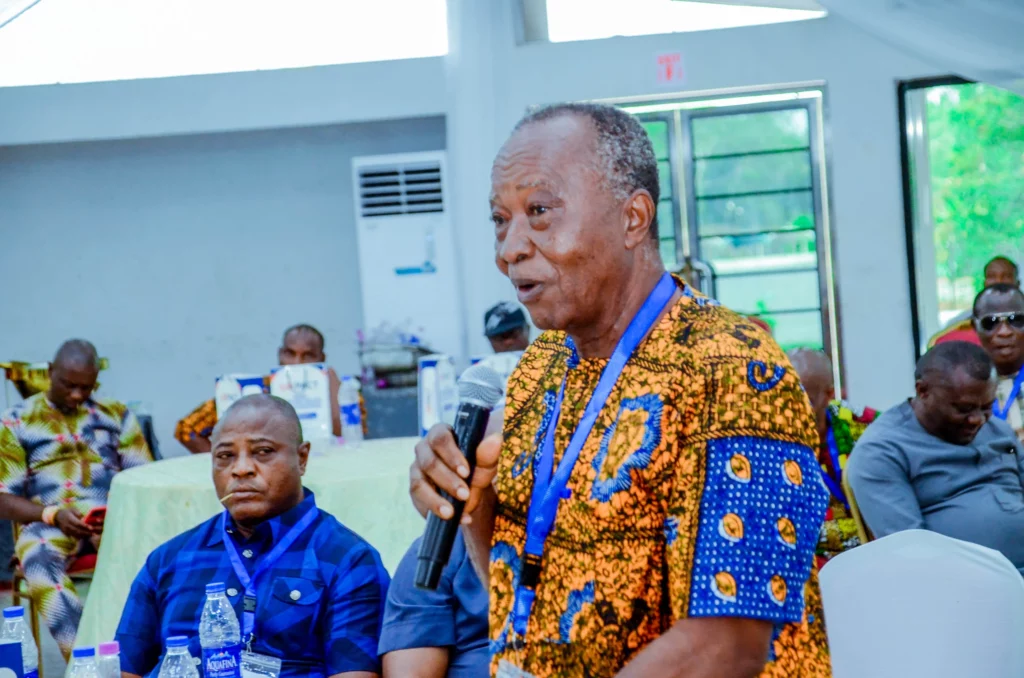
The choice of Enugu as a host city highlighted the growing importance of sub-national leadership in Nigeria’s climate transition. In 2025, Enugu became the first Nigerian state to adopt a science-based Climate Policy and Action Plan (ESCPAP).
Speaking on behalf of Governor Peter Ndubuisi Mbah for the state, Chukwudi Amah, Head of Legal at the state’s Focal Office on Donor Relations and World Bank Projects, emphasized the role of the private sector.
The transition to a low-carbon transport sector will not happen through government action alone. The private sector is indispensable. Transport businesses, logistics operators, fleet owners, and technology providers are the ones who will translate climate targets into operational reality.
Chukwudi Amah, Head of Legal at the state’s Focal Office on Donor Relations and World Bank Projects, Enugu State
Enugu’s ambition includes transitioning 80% of public transport fleets to low-carbon alternatives by 2050 – an example of how sub-national governments can drive implementation while aligning with national goals.
The workshops in Abuja and Enugu reflect a broader shift in Nigeria’s climate journey – from high-level commitments to practical, business-driven action. Participants emphasized that inclusive approaches are not only ethical but also strengthen market development and long-term economic outcomes.
By building technical capacity, improving access to finance and fostering collaboration across sectors, the initiative is helping position Nigeria’s private transport sector as a key driver of decarbonization.
As momentum grows, the experience from these workshops suggests that with the right tools, partnerships and investment frameworks in place, Nigeria’s private transport sector can play a leading role in delivering a cleaner, more resilient transport future.
The Enhancing private sector capacity for climate and clean air action in Nigeria project is a year-long UK PACT programme that strengthens collaboration and technical capacity to accelerate climate and clean air action in Nigeria’s transport sector.
The initiative is led by the University of York–Stockholm Environment Institute (UK) in partnership with Escher Silverman Global (ESG), Africa PPP Advisory (AP3), Consulting Engineers Group (CEG) and the SLOCAT Partnership on Sustainable, Low Carbon Transport.


Project / The project boosts public–private collaboration to deliver inclusive climate and clean air transport initiatives in Nigeria.
Perspective / Nigeria’s green transport shift hinges on bankable projects, requiring stronger finance, data and inclusion to turn climate ambition into real, scalable impact.
Feature / UK PACT is supporting Nigerian firms to measure emissions, access climate finance, and lead clean air action in the transport sector.
Past event / Join Nigeria's Climate and Clean Air Action Framework launch for Transport Businesses, featuring tools to reduce emissions and access climate finance.