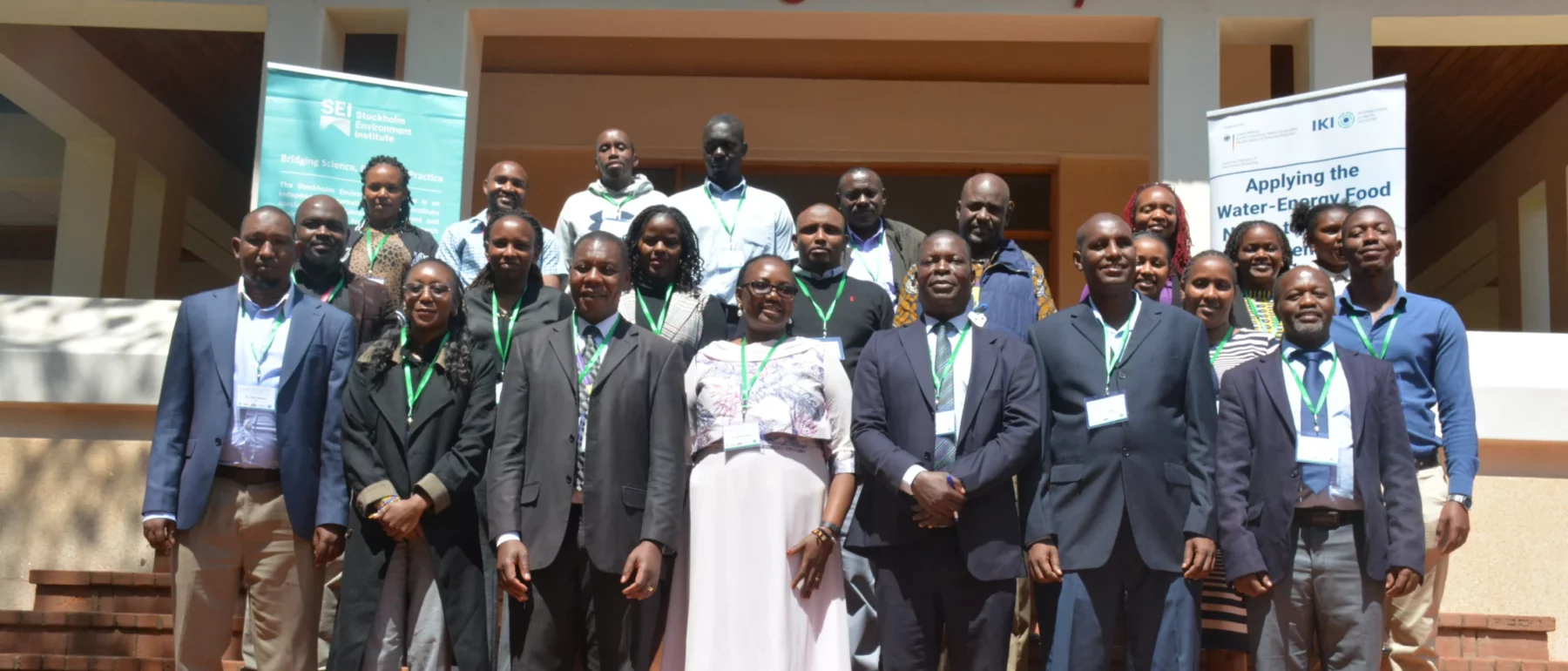
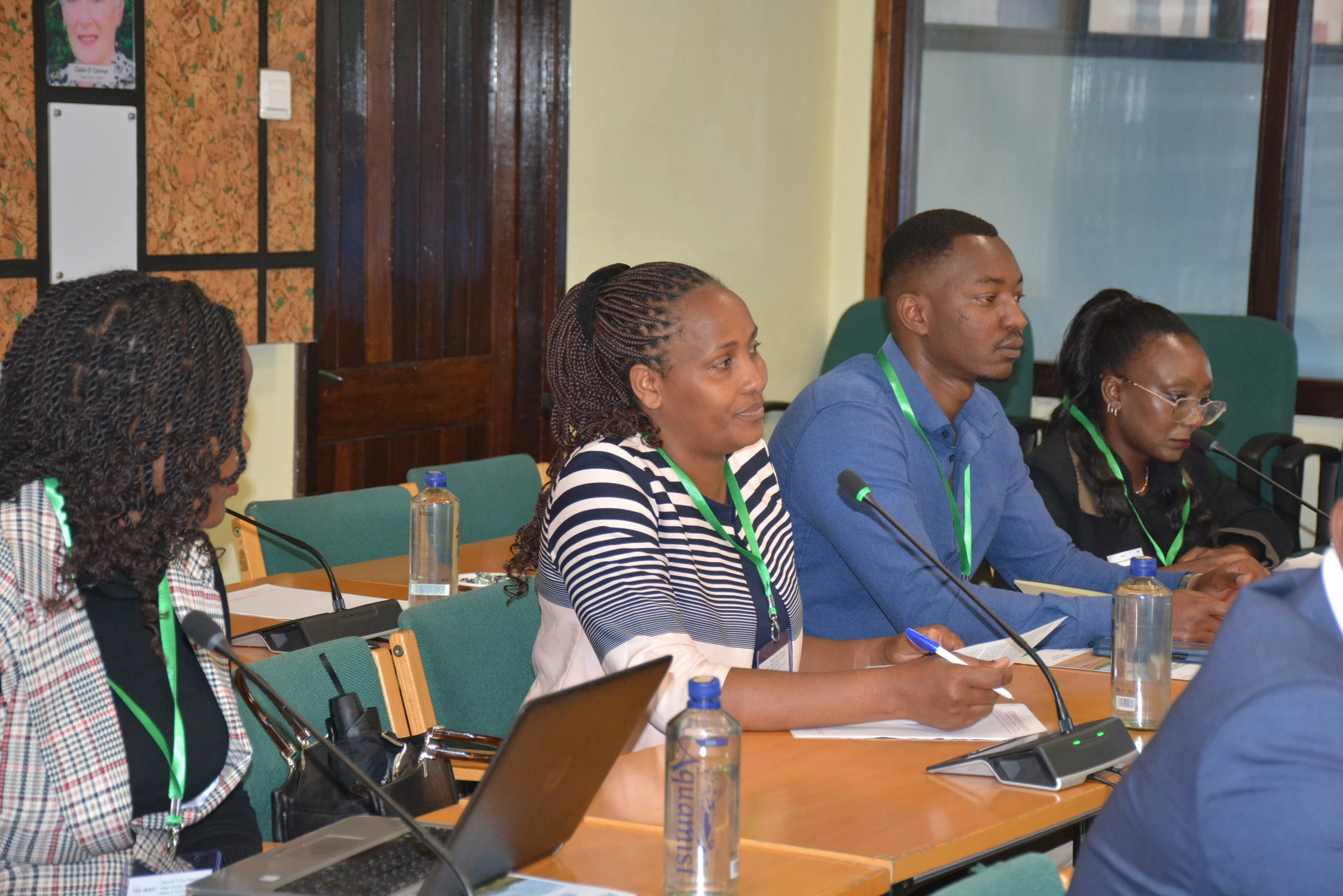
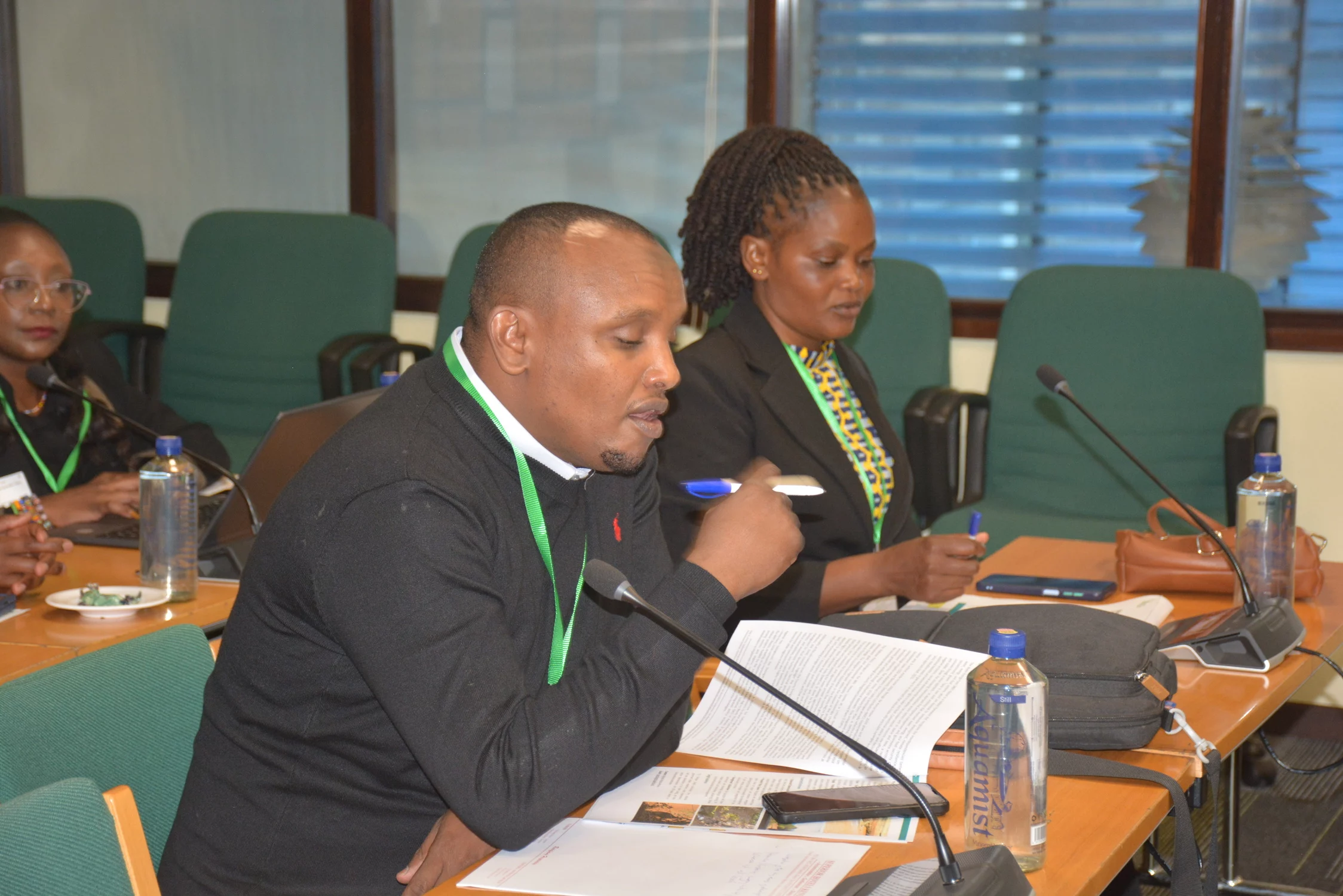
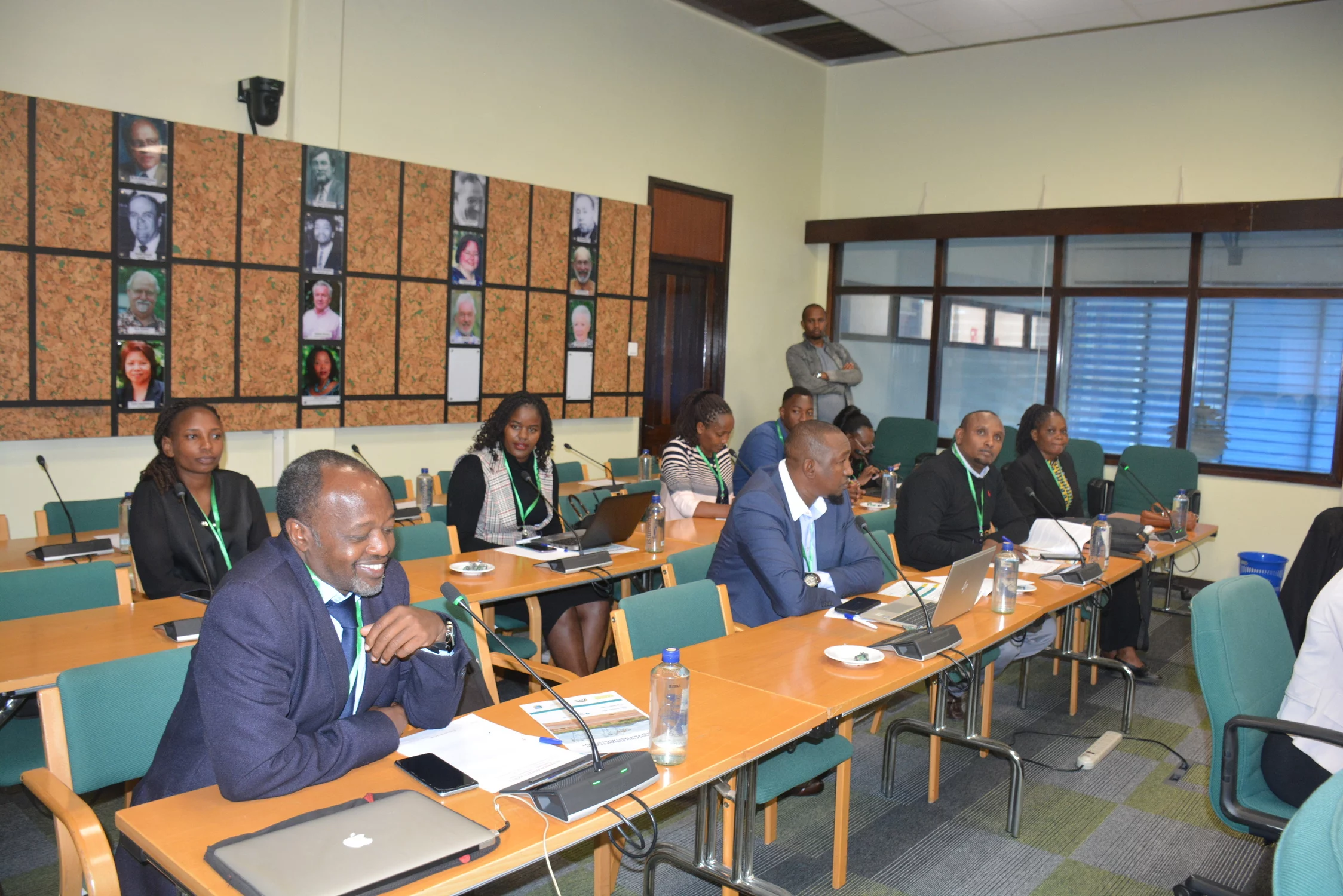
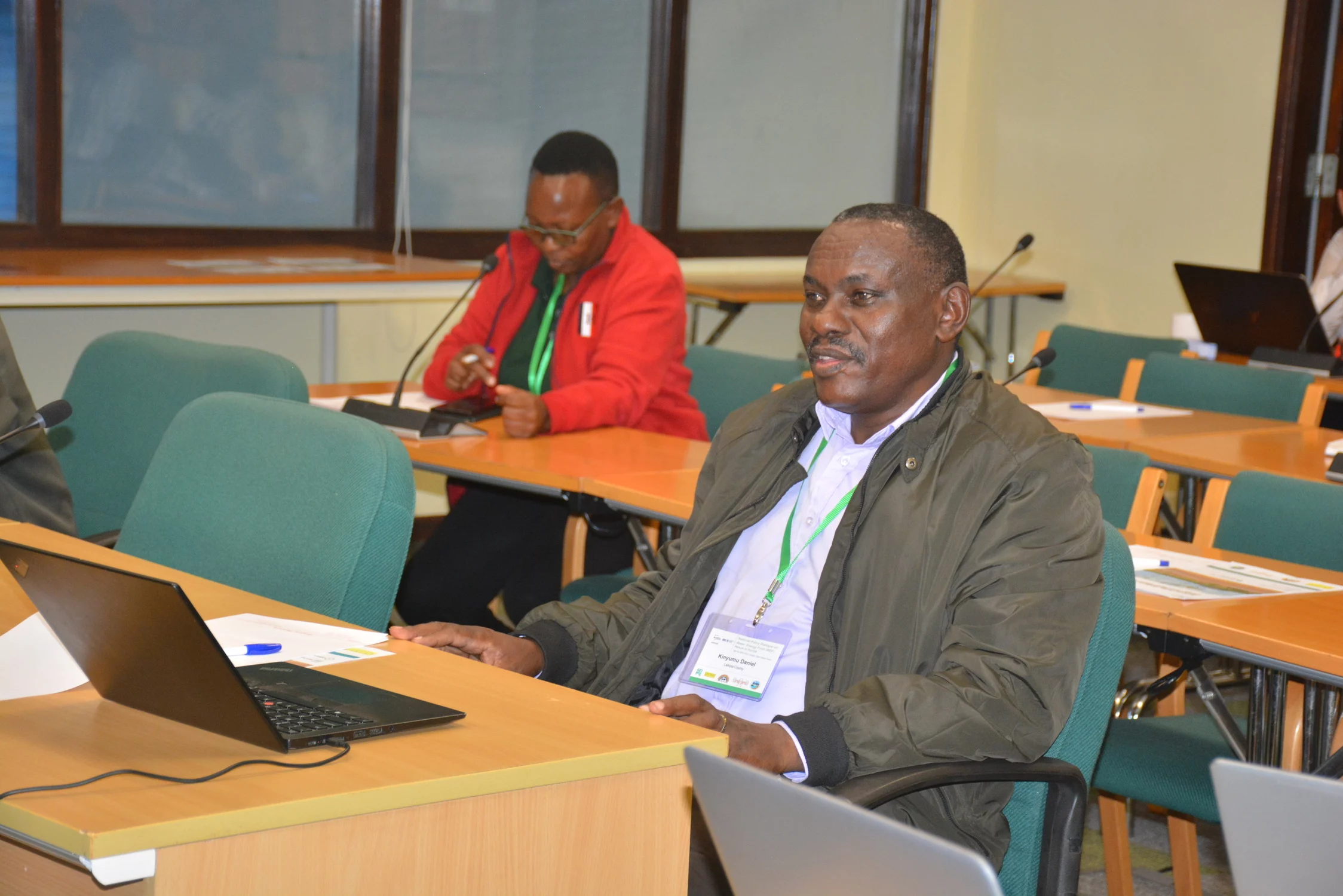
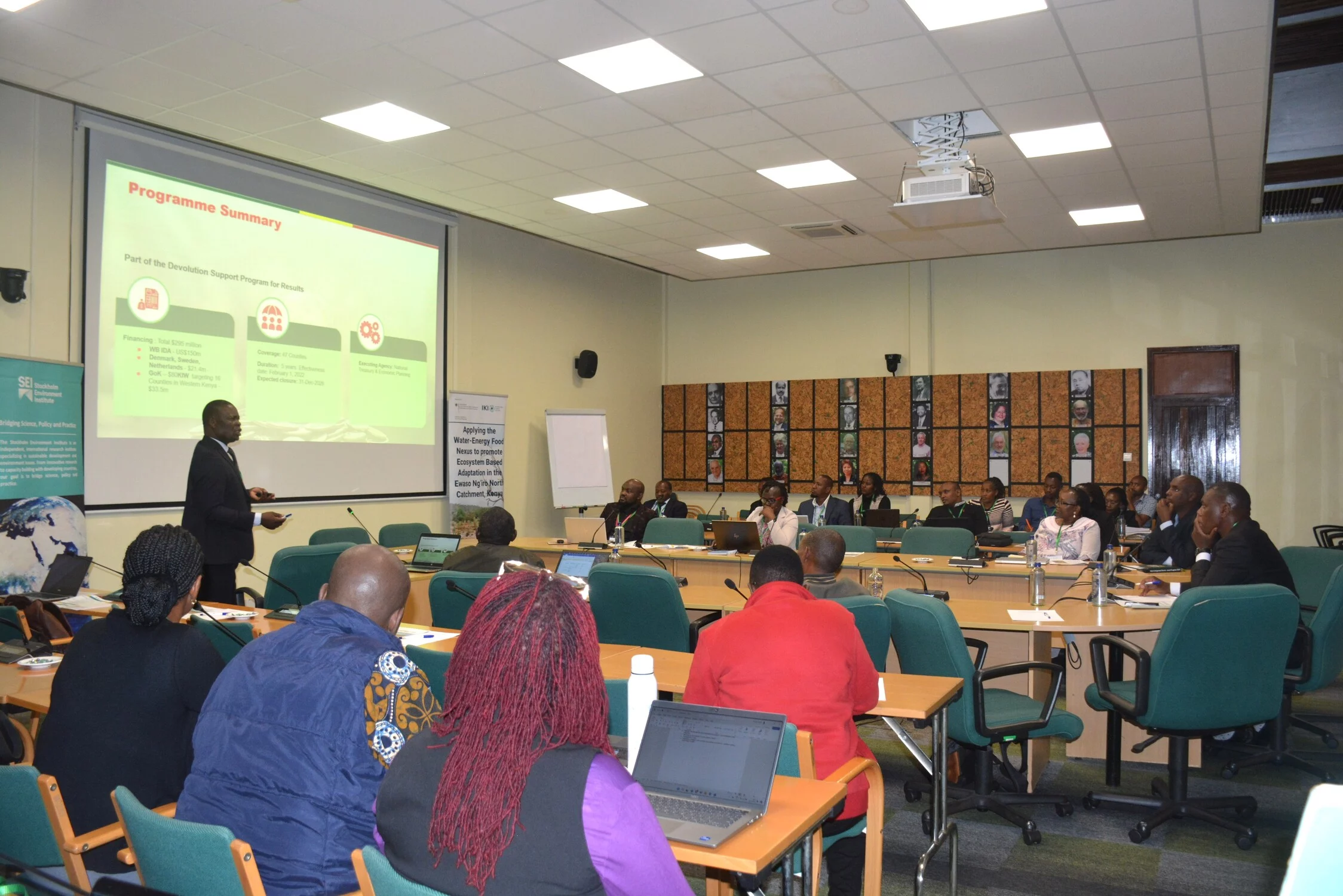
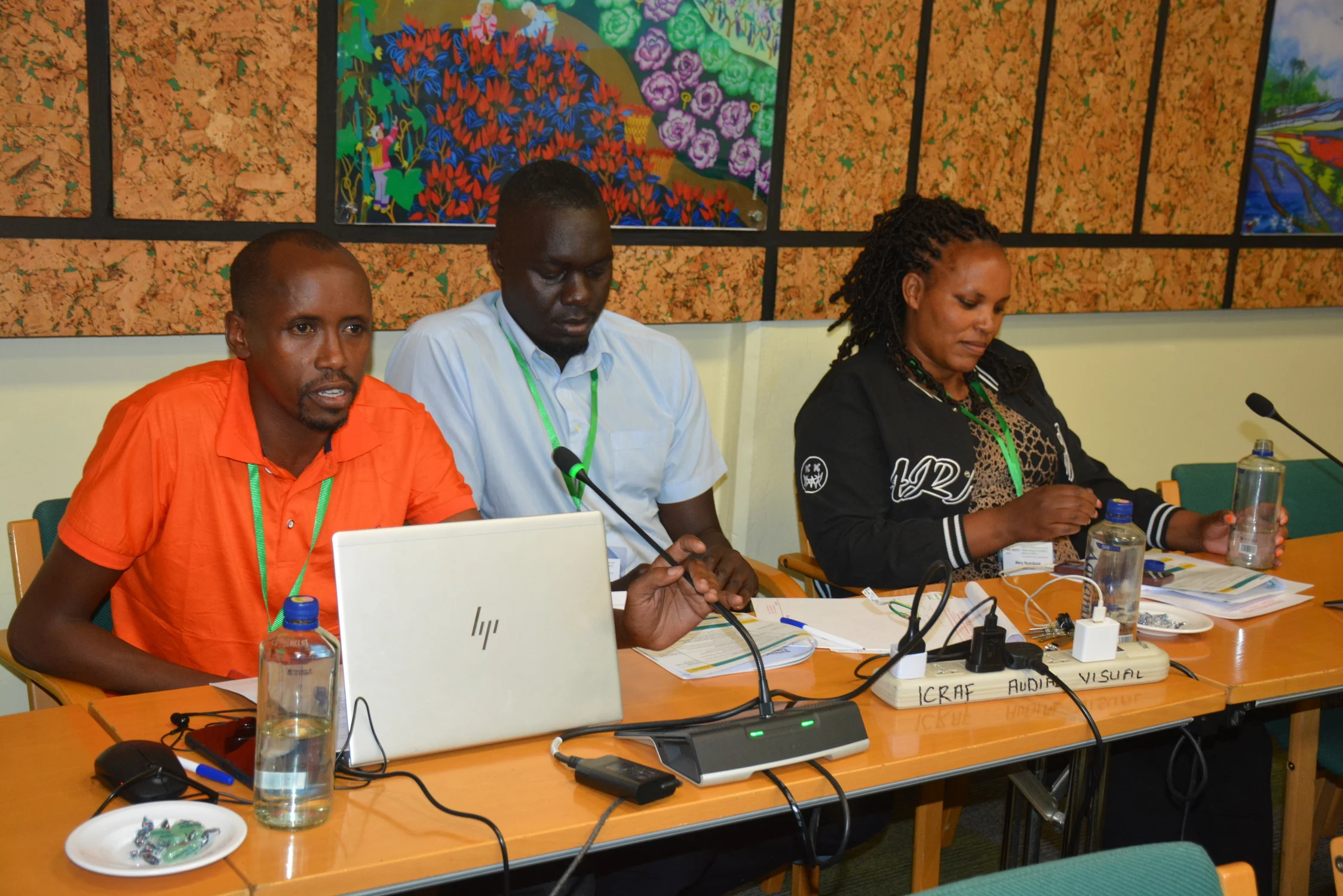
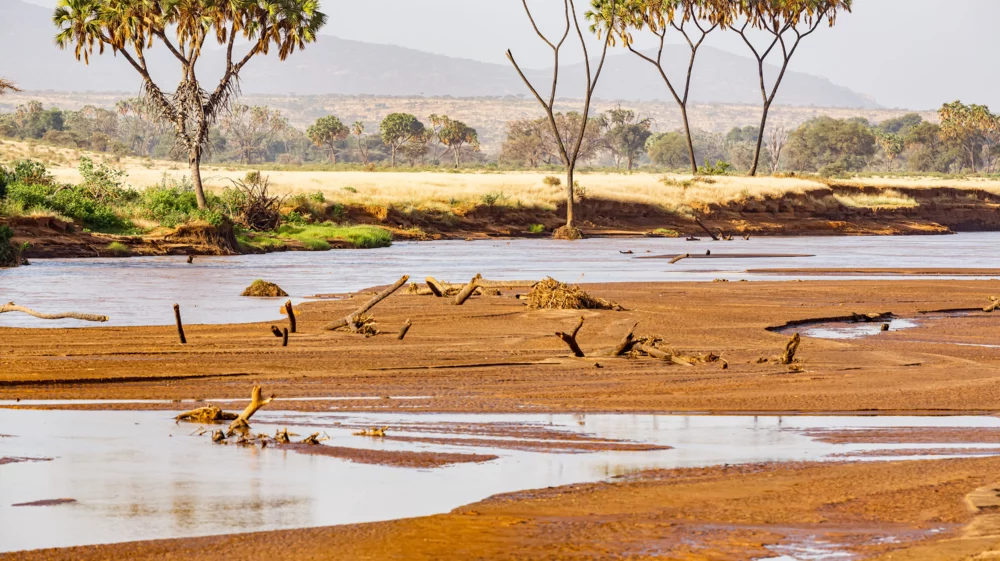
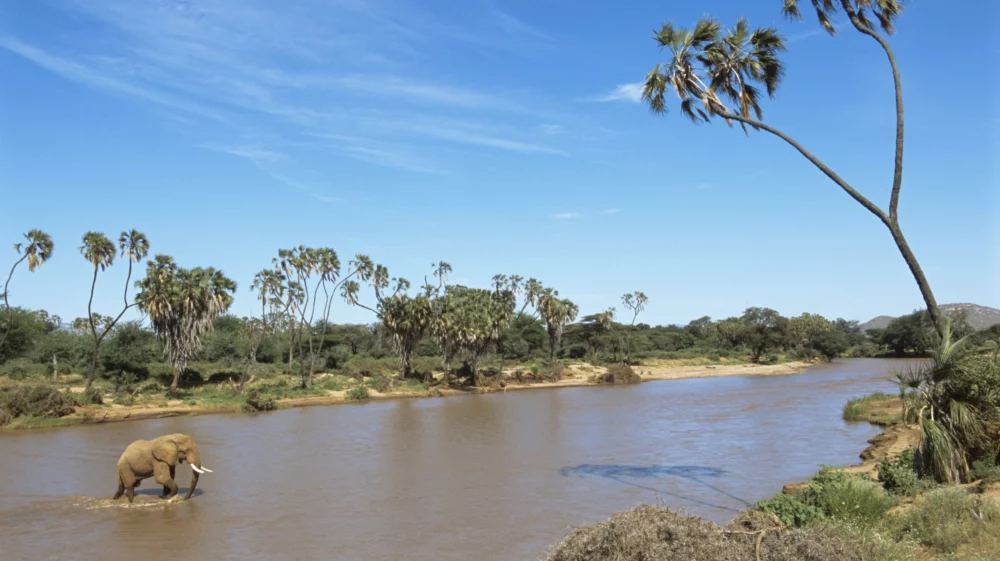
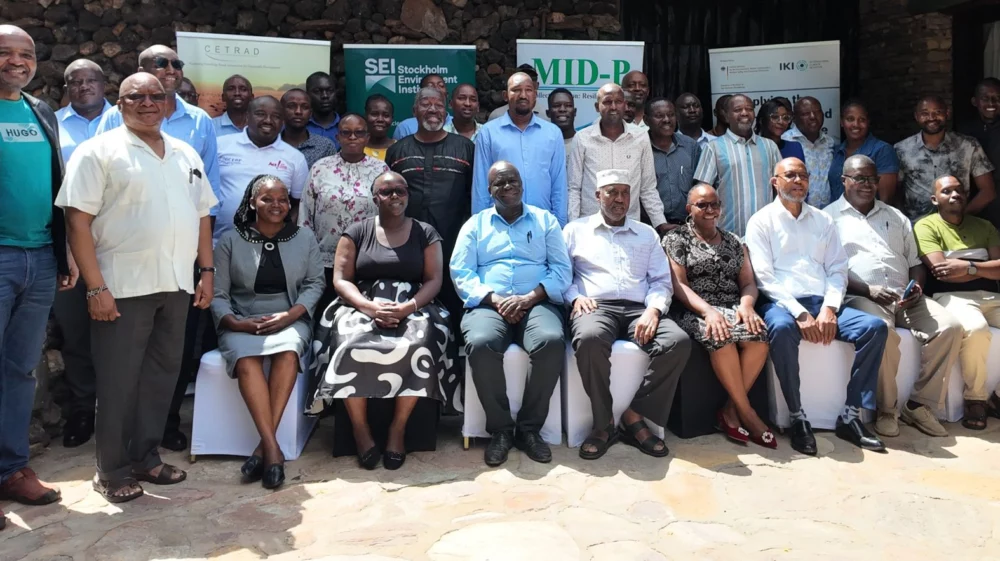
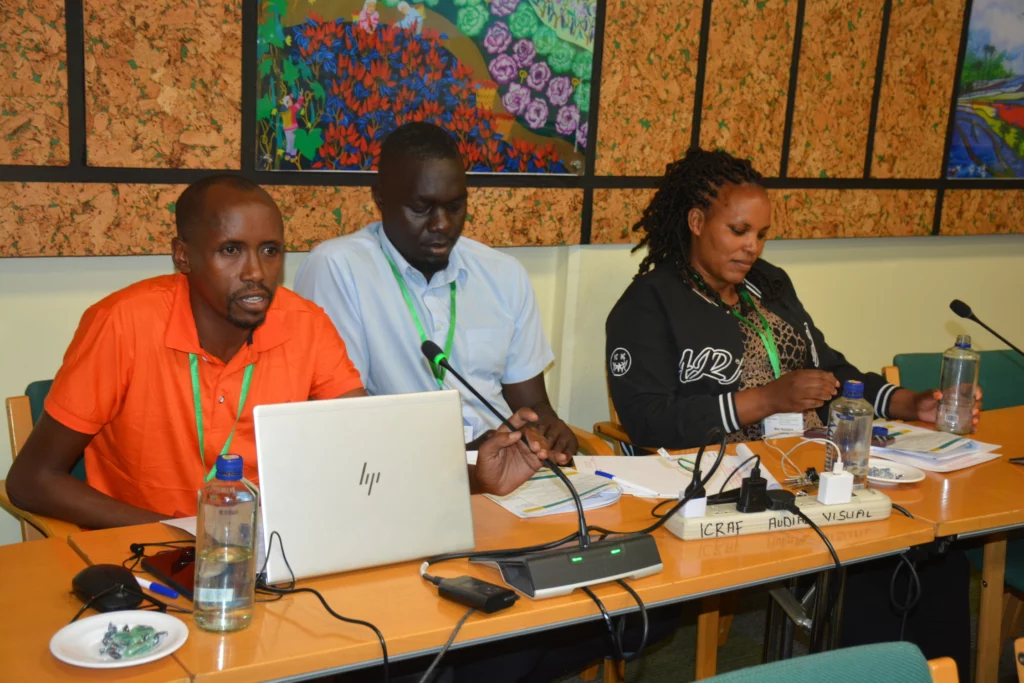
In an effort to address the pressing climate challenges facing Kenya, SEI Africa hosted a National Policy Dialogue on the Water-Energy-Food (WEF) Nexus within the framework of the project “Applying the Water-Energy-Food Nexus to Promote Ecosystem-Based Adaptation in the Ewaso Ng’iro North River Catchment.” The dialogue provided a platform for stakeholders to share insights on integrating the WEF Nexus into sectoral policies and strategic planning.
The event, which took place on 16th October 2024, convened key stakeholders, including national policymakers, county officials in charge of energy and water within the project counties, researchers, and community representatives. They shared insights on the practical application of the WEF Nexus, drawing on experiences from the Ewaso Ng’iro North River Catchment Area (ENNCA) and other related projects funded by the International Climate Initiative (IKI) in Kenya.
Engaging policymakers is crucial in this project because the WEF nexus provides a powerful framework for addressing the complex interdependencies between water, energy, and food resources. As climate change continues to impact Kenya, effective management of these resources is critical to ensuring economic growth, environmental sustainability, and climate resilience. Through emphasizing the need for collaboration among sectors and regions, the dialogue was vital in building a consensus on integrated policy actions and enhancing the capacity of stakeholders to implement ecosystem-based adaptation strategies.
Dr. Philip Osano, in his welcome remarks, emphasized the project’s focus on building resilience in the Ewaso Ng’iro North River Catchment by integrating ecosystem-based adaptation strategies across sectors, with support from a consortium of organizations and funding from the German government. The project aims to model development scenarios for water, energy, and agriculture while raising awareness of their interlinkages. In the keynote address, Mr. Peter Odhengo from Kenya’s National Treasury highlighted the FLOCCA Program, which decentralizes climate funds to counties, empowering local communities to lead resilient actions. He emphasized the need for transparency, accountability, and multisectoral coordination to ensure sustainable project implementation and strengthen alignment with government initiatives and National Development Plans.
The workshop also drew valuable lessons from other IKI-funded projects in Kenya. A key challenge highlighted was the persistent gap between policy and practice. The discussions revealed a collective commitment to involving local political leaders such as Members of County Assemblies early in the projects to ensure sustained support and effective implementation. The discussion further highlighted the limited awareness of the urgency of climate change in counties like Isiolo, where limited resources make meaningful stakeholder engagement difficult.
As the dialogue concluded, participants emphasized key priority actions. The integration of community perspectives was seen as essential, with Water Resource Users Associations (WRUAs) playing a critical role in reaching grassroots communities and ensuring that indigenous knowledge is valued. Second, early and sustained stakeholder engagement was identified as crucial for building support and incorporating diverse perspectives throughout project development. Securing long-term funding was highlighted as a top priority to ensure project sustainability from the outset. Incorporating research and evidence into County Integrated Development Plans (CIDPs) was recognized as vital for shaping informed policies. Lastly, promoting multisectoral collaboration between counties was highlighted as a key strategy for addressing common challenges and ensuring coordinated, effective development efforts.
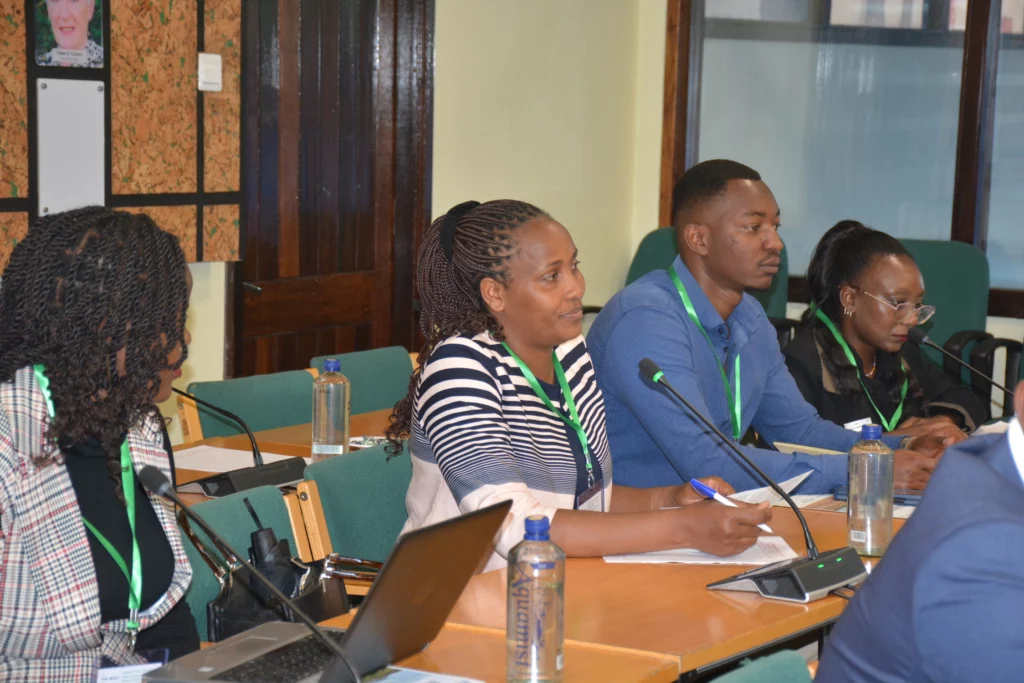
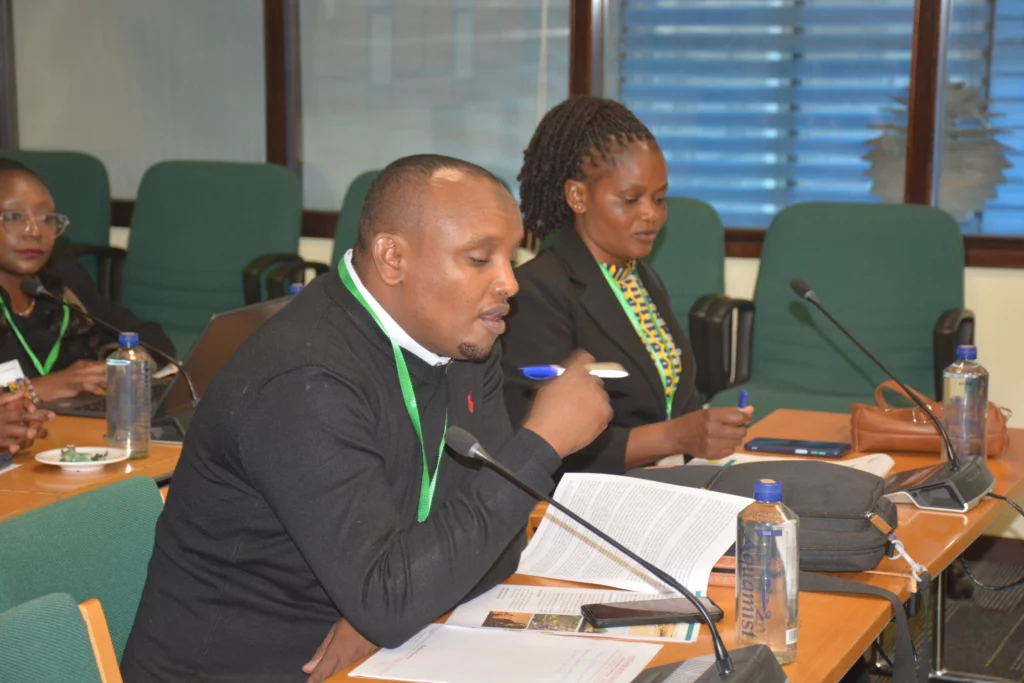
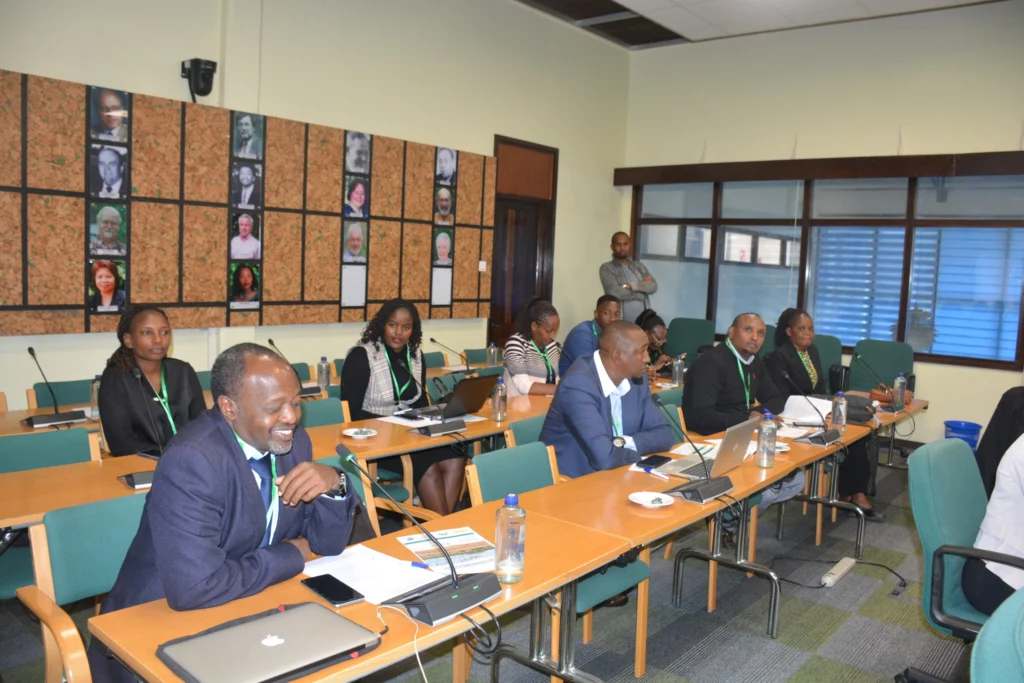
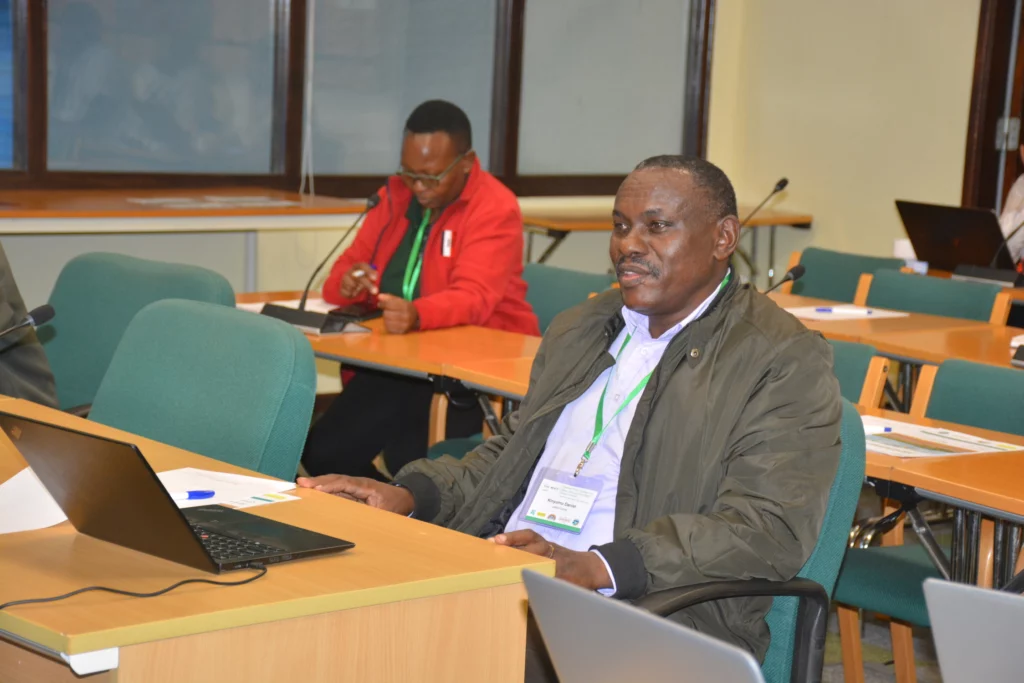
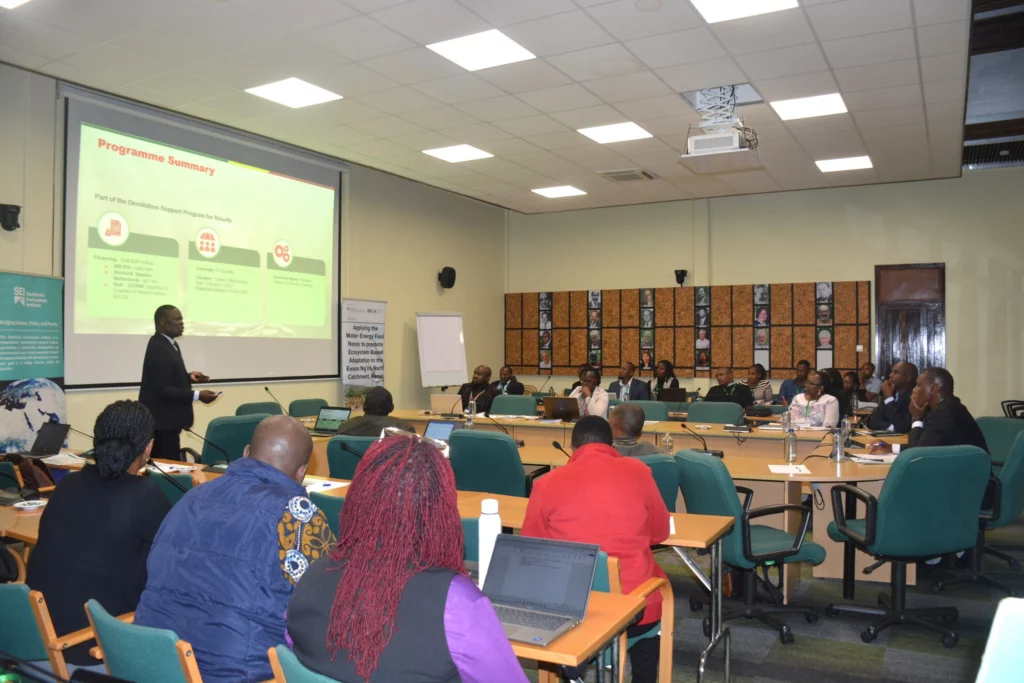
Past event / SEI Africa hosts a national dialogue to explore how the water-energy-food nexus can drive climate resilience and sustainable development in Kenya.
Project / The project supports Kenya to promote EbA practices and integrated planning for water, energy, agriculture and land use in Ewaso Ng’iro North Catchment area.
Feature / Using SEI’s WEAP and LEAP tools, researchers developed projections of water and energy demand and supply in the catchment through to 2030.