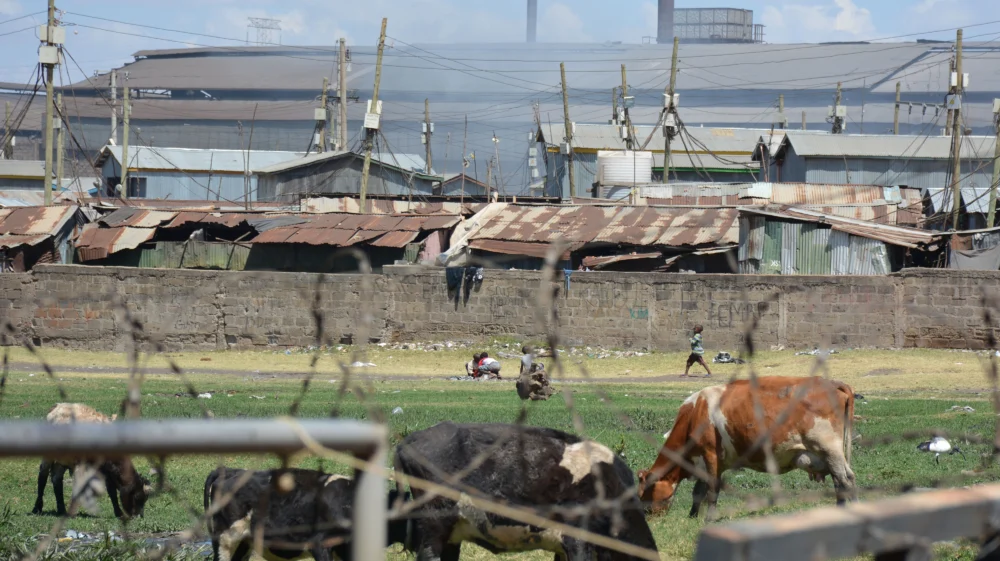
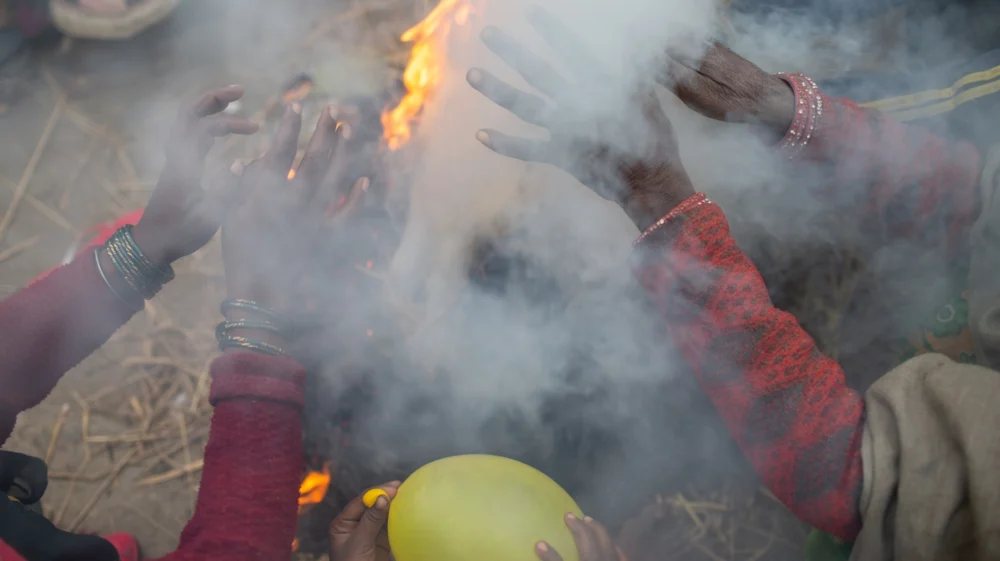
SEI Africa is working closely with Nairobi City County Government to develop the Nairobi City County Air Quality Action Plan 2025 – 2029. This strategic roadmap aims to achieve cleaner air and healthier communities over the next five years.
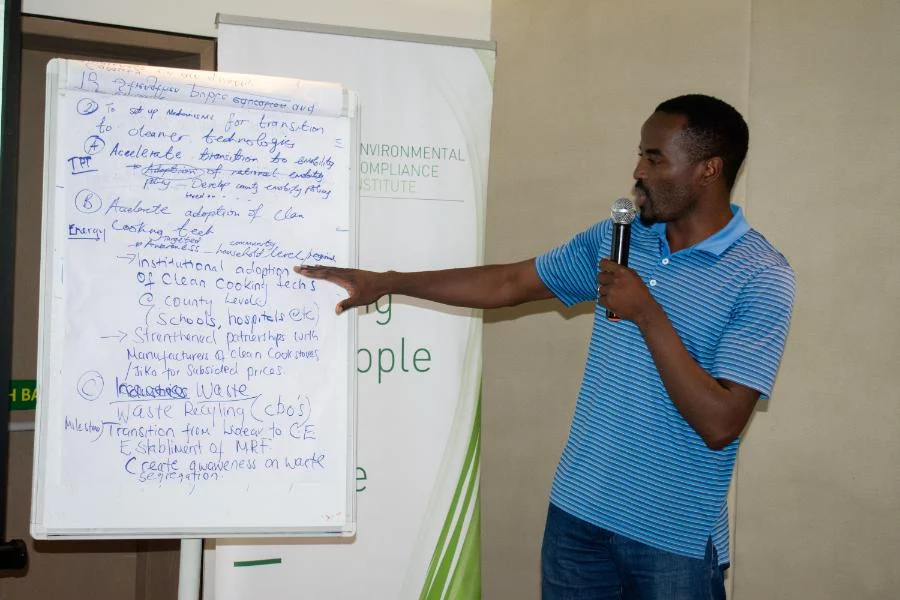
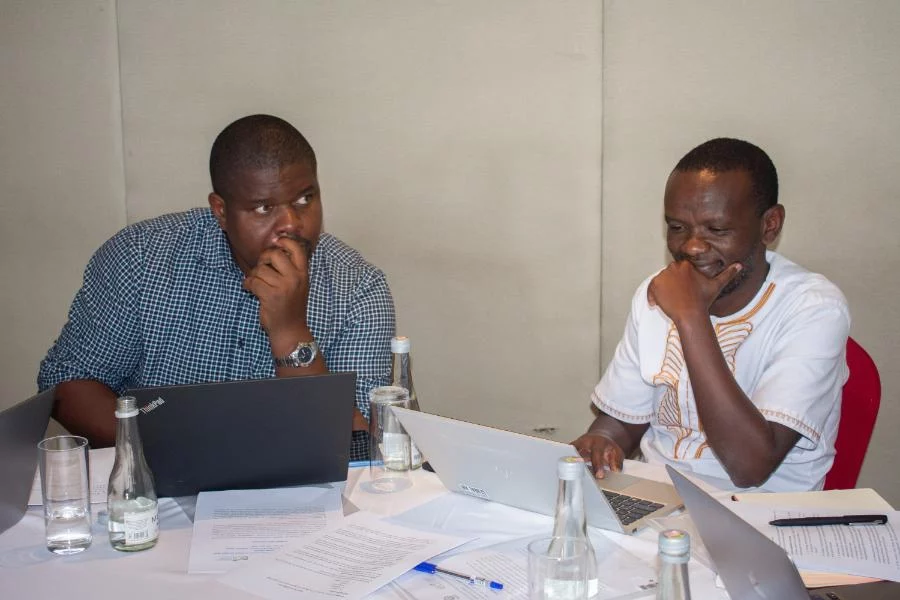
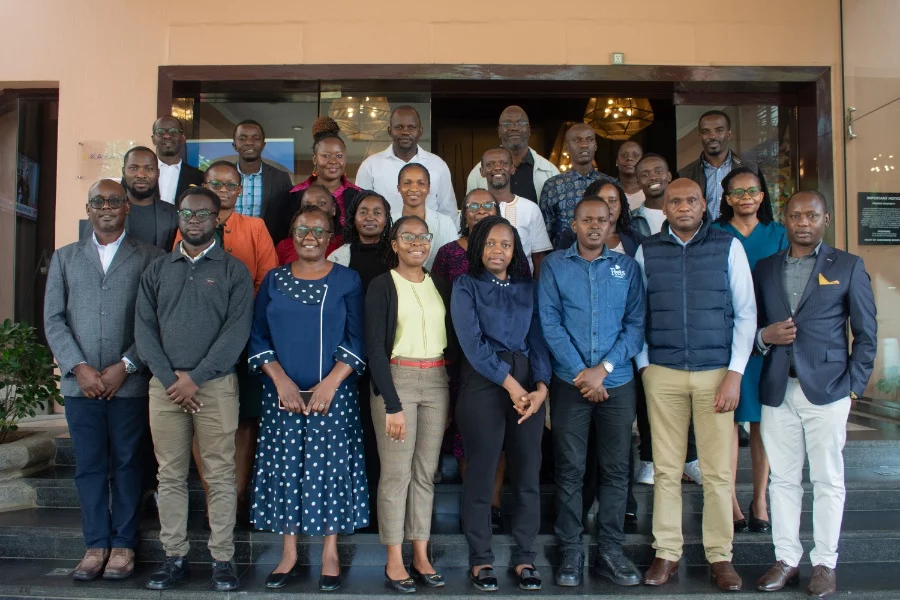
In line with this, our research fellow, Ngongang Wandji and research associate Javan Odenyo joined the first Expert Review Session held to work on a zero draft for the development of the road map held in Nairobi, Kenya. This strategic roadmap is co-developed by the Nairobi City County Government, the Environmental Compliance Institute (ECI) and Clean Air Fund through the Breath Cities initiative.
Building on SEI’s ongoing work with Nairobi City County’s Department of Environment, Water and Sanitation, the institute is supporting efforts to monitor and manage air quality in real time using low-cost sensor technology. This work contributes to integrated climate adaptation planning and urban resilience strategies, aligning with Kenya’s National Climate Change Action Plan (NCCAP) and the Nairobi Air Quality Agreement. A key component of SEI’s engagement is enhancing public awareness and health advisory mechanisms, particularly for vulnerable groups such as children and individuals with respiratory conditions.
This strategy is a collaborative development process that unites local government, civil society, research institutions, and development partners to ensure an inclusive and evidence-based approach. It emphasizes sustainable air quality management through long-term institutional strengthening and capacity building for county officials to proactively manage air quality. Building on the achievements of the 2019–2023 plan, it leverages expanded monitoring networks, stronger policy frameworks, and public engagement campaigns
SEI and the UNEP Regional Office for Africa, with support from the China Trust Fund, are collaborating with the cities of Nairobi, Kampala and Addis Ababa under the initiative “Clean Air for Enhanced Urban Climate Resilience in African Cities.” The project aims to strengthen urban climate resilience and air quality management through the use of low-cost sensors, while promoting public health. It focuses on delivering science-based, integrated solutions to improve air quality across the three East African cities.

Project / This project will build scientific evidence and knowledge platforms for urban air quality and climate resilience.
Journal article / "Breathing well" is about more than air quality: cleanliness, population and building density and the presence of vegetation all make a difference.
Feature / Discover how air quality research since the 1990s has shaped policy and highlighted the health, economic and social benefits of addressing air pollution.
Journal article / This research examines how changes in population vulnerability and exposure to air pollutants affect global air pollution-related mortality trends.