Drawing on interviews and ongoing research into energy poverty, Jenny von Platten reflects on the anger surfacing across Sweden as electricity prices rise. Her observations reveal how lived experiences of cold homes and rising costs are shaping perceptions of fairness in the energy transition.
The rage roars in Facebook groups. At least that’s where I see most of it. Part of this uprising is voiced through a petition: “We won’t lower our heating! We’re raising our voice!”
Electricity prices are peaking across Sweden, reaching their highest levels in two years. As always, it is caused by a combination of factors: persistent subzero temperatures, a lack of wind to power the turbines, and a new power line between Sweden and Finland. Experts indicate that prices could remain high until the spring floods come and refill the hydropower reservoirs.
Behind the roaring rage are people willingly responding to my search for research participants with experiences of energy poverty. I received an email in the middle of the night from a person who wants to talk – I see it as symbolic, perhaps symptomatic.
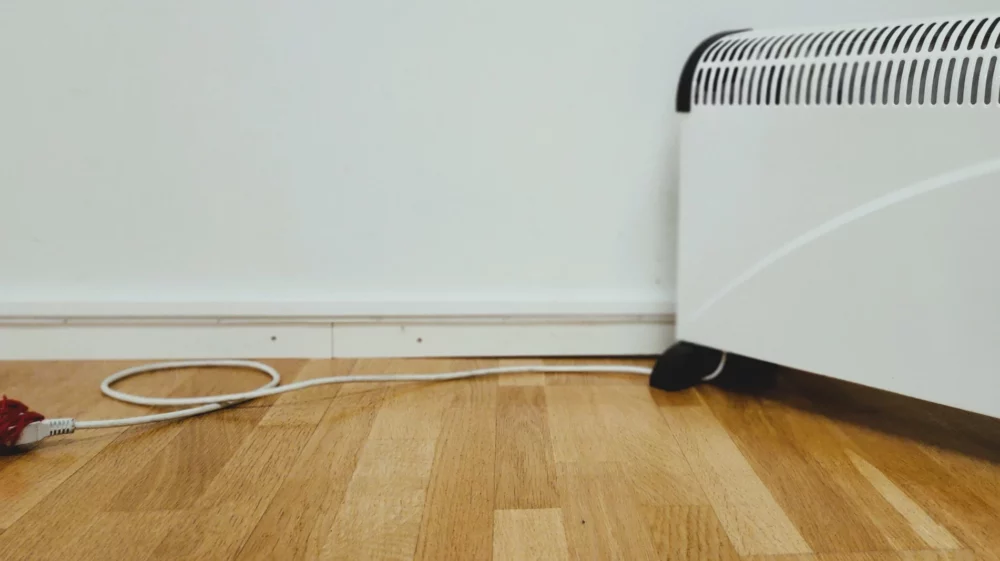
Households across the country are receiving shocking electricity bills, closing off rooms, lowering temperatures, and turning to whatever options are available to keep warm: clothing, blankets, candles, fires. During an interview the other day, a participant who is turning to wood heating as electricity prices peak acknowledged the pollution caused by woodburning and argued that heating would be cleaner if electricity prices were reasonable.
At the same time, new power tariffs aimed at promoting more efficient use of the electricity grid are already stirring discontent, even though grid companies have until 2027 to fully implement them. Many of the tariffs that have been introduced are perceived as an unfair extra cost burden on households, nudging them to flexibly solve capacity shortages in the electricity grid. Households argue this is a system failure that should be solved by someone else.
In addition to this perception of unfair burden-sharing between households and the government, research on power tariffs from other countries shows unjust cost distributions due to differing abilities to adapt energy use to price signals. In other words, while some households can afford to invest in “smart” technologies to avoid power peaks, others are forced into inconvenient behaviours to keep costs down.
In Facebook groups as well as interviews, people with limited financial means describe a drastically lowered quality of life after the introduction of power tariffs in their area. Examples include spending a lot more time cooking – using only one stovetop burner at a time to avoid peak charges – and shifting energy-demanding chores to after 22:00 when tariffs rarely apply.
Those who have neither the option to make smart investments nor to adapt their daily home life needs to the tariffs are left with higher electricity bills. These social impacts received little attention in preparatory work before introducing the new tariffs by the Swedish Energy Markets Inspectorate.
A recently missed opportunity for policymakers to address part of the problem of energy poverty and unaffordable heating was the Social Climate Plan. The plan outlines how member states will use the Social Climate Fund, aimed at making the EU’s green transition fair and inclusive. It should focus on alleviating energy and transport poverty under the introduction of the new EU Emission Trading System (ETS2), while also addressing underlying vulnerabilities more broadly. Sweden’s plan primarily addresses transport poverty through subsidies for electric car purchases, with nothing targeting households experiencing heating-related energy poverty.
In light of the cold winter currently making its way through Swedish homes, this feels like such a loss. Almost equally, it is as much about the actual distribution of resources as it is about the recognition of the hardship faced by energy-poor households. The latter speaks to perceptions of fairness which – when not acknowledged – can grow loud enough to obstruct climate transition policies.
It is very easy to make wind power the scapegoat and a symbol of resistance to the transition, particularly during a windless winter. This is why social impacts and justice perspectives need to be included at every step of energy transitions, even when assessing power tariffs. Our society may pay a high price for failing to make the climate transition just and inclusive, when it is perceived as anything but that.
As attention turns to the possibility of another round of government electricity price support, there is an opportunity to look back: how can new price support be better targeted to those who need it most? This marks an opportunity to forefront justice considerations as memory has not been lost on how the previous subsidies favoured high electricity consumption rather than addressed energy vulnerability. But above all, we need long-term solutions that make the most vulnerable and energy poor households better equipped to face harsh weather and manage during energy price peaks.
There is a roaring cold and rage this winter – and I hope the spring floods do not wash that memory away.
Project / SEI serves as Sweden’s antenna to EPAH, linking local communities and national expertise to EU energy poverty policy.
Project / This project traces how experiences of energy poverty in Sweden have changed since the 1950s to inform more critical, sufficiency-oriented energy policymaking.
Press release / As El Niño intensifies across the Amazon, new research in Science highlights the urgent need to better protect the region’s remaining forests from disturbances.
Past event / SEI joins the Climate Week in New York to highlight global leadership and finance solutions for accelerating the transition to net zero industry.
Press release / One of the world’s oldest construction materials, clay, could help deliver lower-carbon cement, according to a new report from LeadIT.