Editor’s choice
The Solutions and Opportunities in managing water Storage to reduce transboundary water-related disaster risks and to address multiple water demands (SOS) project aims to develop inclusive and sustainable solutions for managing water storage options that optimize disaster risk reduction, diversify benefits for water, energy, and climate security, and foster transboundary cooperation and governance.
2023–2025
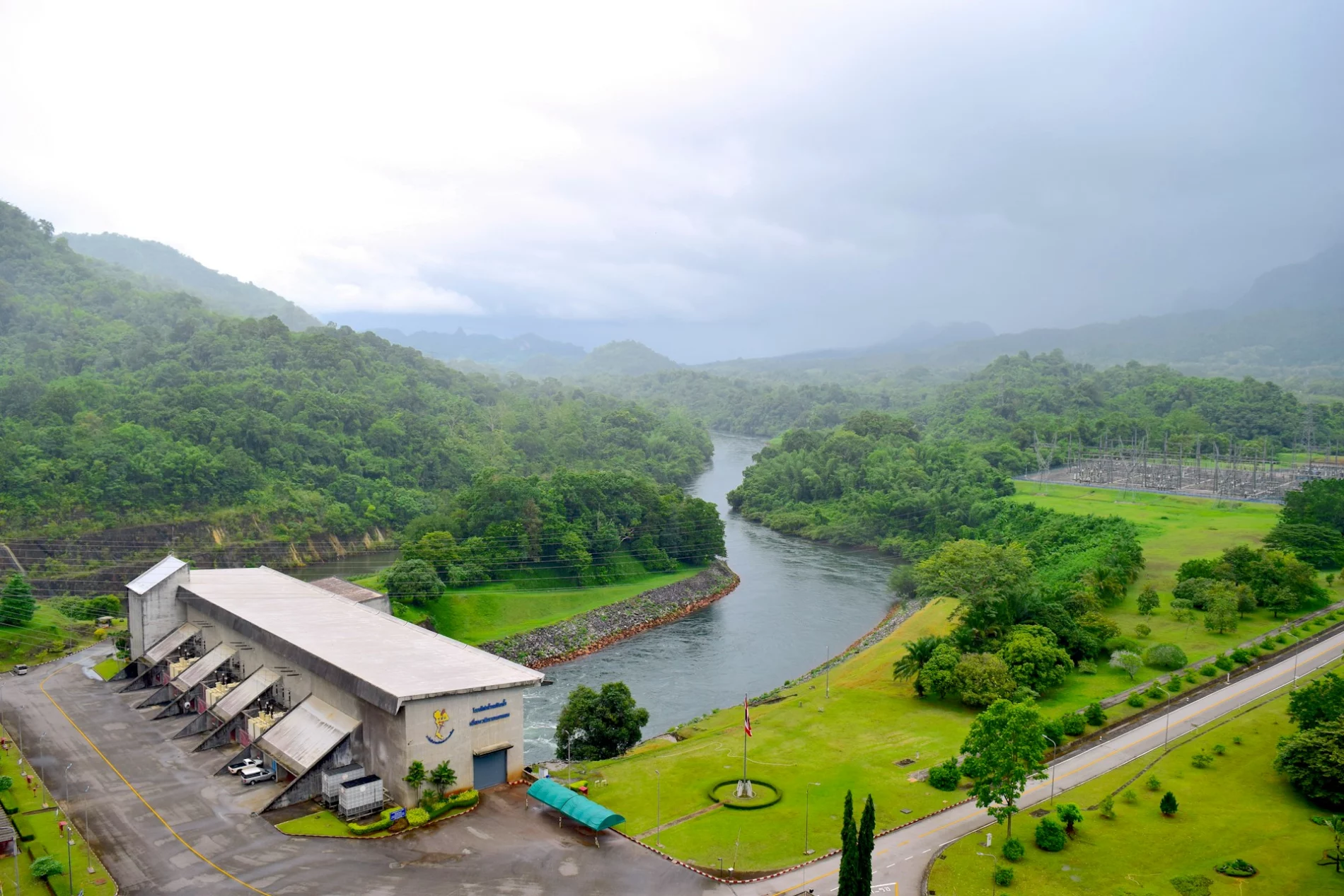
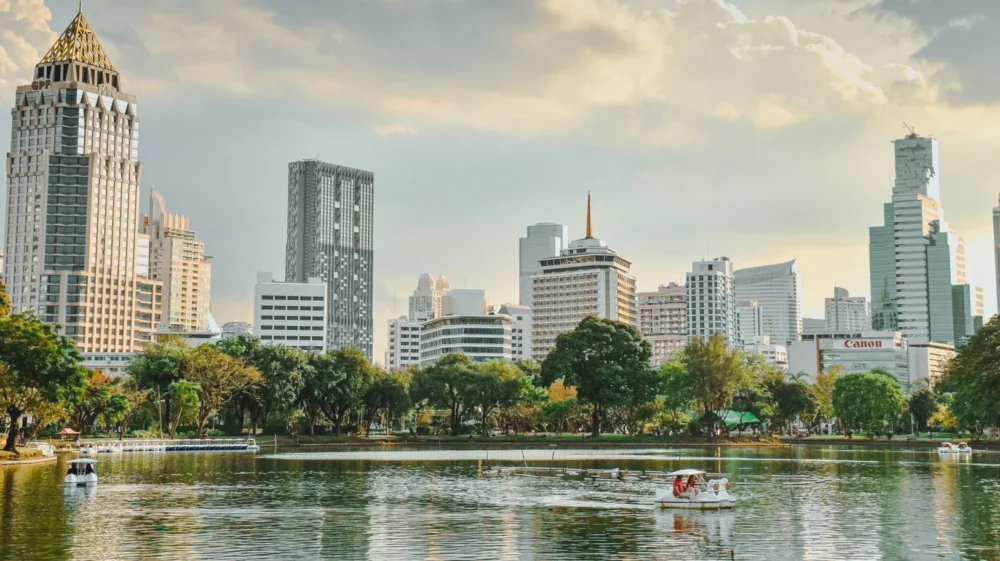
Photo: Nopparuj Lamaikul / Unsplash.
This project will synthesize good practices from eight water storage systems (five infrastructure and three wetlands systems), identify key factors influencing stakeholder benefit sharing, and develop a pathway for equitable sharing for multiple water demands.
While mapping key stakeholders across Thailand and Lao PDR, SOS will focus on defining equitable benefits while analyzing existing practices. Based on these findings, solutions and investment opportunities will be co-developed for high-potential water storage systems in Thailand and Lao PDR.
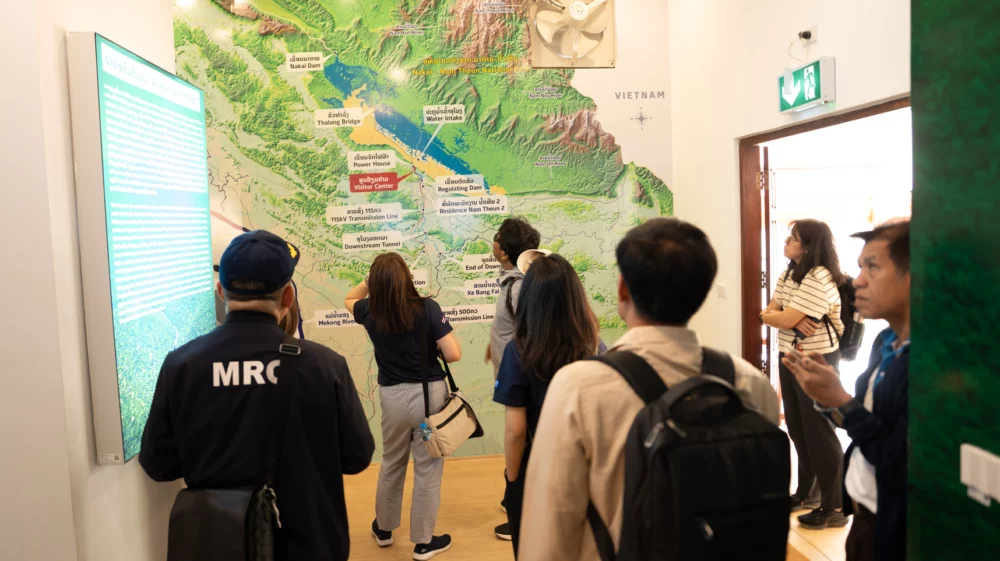
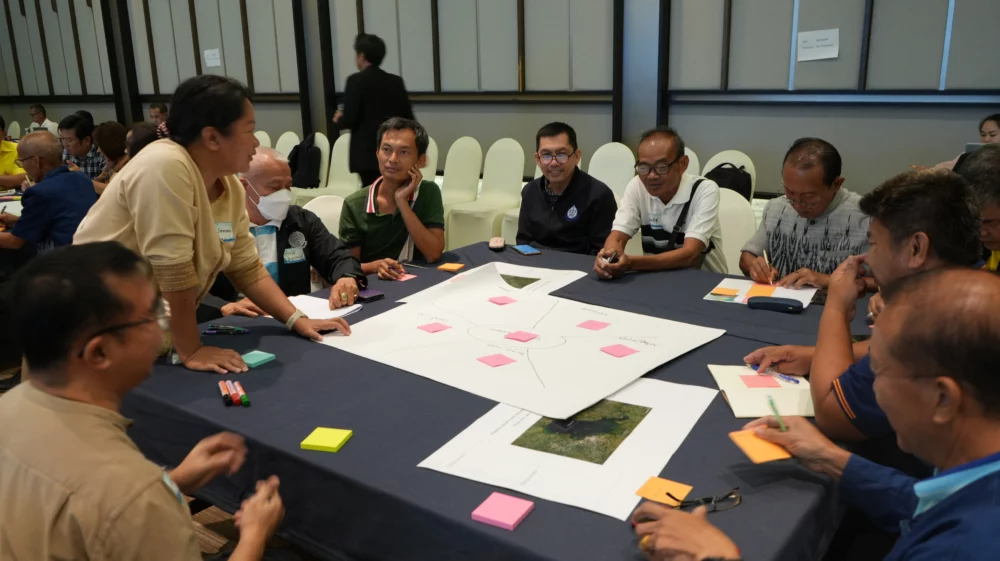
Through rapid institutional capacity needs assessment, cross-learning workshops, and peer-to-peer learning, the project will empower KBPIO, local communities, operators, and policymakers on GEDSI, managing multiple demands and co-designing management solutions.
Water storage is crucial in promoting socio-economic development and ensuring ecosystem sustainability in the Mekong region. It enhances water, energy, and food security and mitigates climate risks, including floods and droughts.
Over the past 20 years, the infrastructure water storage systems in the Mekong, particularly hydropower reservoirs, have increased significantly from 8.6 km3 (2% of its mean annual discharge) in 2008 to 86.8 km3(19% of its mean annual discharge) in 2025. Of these storage systems, the majority of hydropower reservoirs are used only for energy production as a result of the power purchase agreement. Hence, there is a strong concern from Mekong stakeholders regarding coordination and equitable benefit sharing arising from these water storages. On the other hand, water storage in wetlands and floodplains has markedly decreased in recent decades.
These trends indicate that Mekong has experienced a sharp decline in ecosystem services, especially in terms of flood and drought resilience. This trend raises risks for vulnerable and marginalized communities heavily reliant on wetlands and floodplain water storage.
Significant knowledge gaps exist regarding potential solutions for coordinated actions for water storage management—both infrastructure and natural storage—to maximize multiple benefits at national and regional scales. Moreover, an understanding of how these benefits can be equitably shared is critical, encompassing not only economic benefits but wider societal benefits.
The goal is to develop inclusive and sustainable solutions for managing water storage options that optimize disaster risk reduction, i.e., floods and droughts under climate change while diversifying benefits for water, energy, and food security of vulnerable communities and fostering transboundary cooperation and governance in the Mekong. Four objectives identified to achieve this goal are:
1. Synthesis and analysis of existing knowledge
2. Stakeholder engagement and defining equity
3. Gender equality, disability, and social inclusion
4. Solutions and investment planning
5. Knowledge sharing and capacity building
Perspective / Collaborative and multi-benefit approaches with nature-based solutions can help build a resilient, equitable water future for the Mekong Region.
9 June 2026 / About Water resources
Perspective / Chea Sameang and Ridhi Saluja share perspectives on how water storage mechanisms in the Mekong Region can be more equitable and inclusive.
12 September 2024 / About Disaster risk, Food and agriculture, Participation and Water resources
Media coverage / ดร.ริดิ เซลูจา (SEI Asia) ร่วมหาแนวทางและโอกาสในการบริหารจัดการอ่างเก็บน้ำเพื่อลดความเสี่ยงภัยพิบัติจากน้ำ
25 April 2025 / About Disaster risk and Water resources
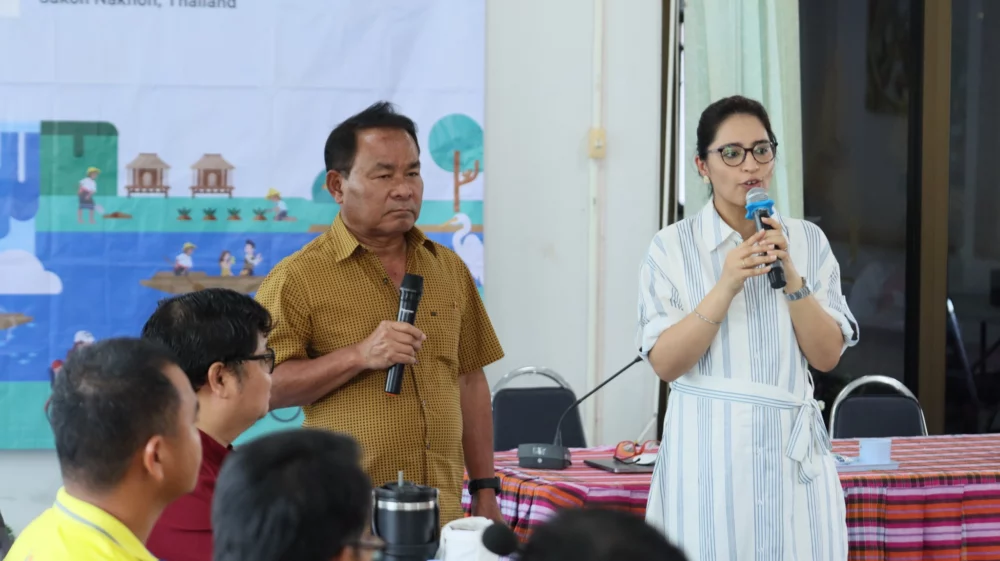
Graphics: TEI, MSU, NUOL.
Perspective / Collaborative and multi-benefit approaches with nature-based solutions can help build a resilient, equitable water future for the Mekong Region.
9 June 2026 / About Water resources
Perspective / Chea Sameang and Ridhi Saluja share perspectives on how water storage mechanisms in the Mekong Region can be more equitable and inclusive.
12 September 2024 / About Disaster risk, Food and agriculture, Participation and Water resources
Past event / SEI and Mekong Institute (MI) will renew their shared commitment for sustainable development and climate resilience in the Mekong Region.
16 June 2026 / About Water resources