Skip navigation
Project

Transformational and Robust Adaptation to Water Scarcity and Climate Change under Deep Uncertainty (TRANSCEND)

TRANSCEND develops and tests transformative approaches to water management under deep uncertainty. Through Living Labs, modeling, Scenathons, and co-creation, the project brings scientists, policymakers, and stakeholders together to explore future scenarios, assess adaptation options, and support more equitable and sustainable decisions

Active project

2023–2026

Water scarcity is intensifying across the world, driven by climate variability, growing demand, and increasing pressure on ecosystems. In many regions, existing water management approaches (focusing on optimizing supply and demand) are no longer sufficient to ensure long-term water security.  

Decision-making in water systems is further complicated by deep uncertainty: climate projections, land use changes, economic dynamics, and social factors interact in ways that are difficult to understand. This uncertainty often undermines the use of scientific information in policy processes and limits the adoption of innovative solutions.  

Beyond biophysical constraints, water management systems are shaped by deep structural and institutional challenges that limit the adoption of transformative responses. These include: 

  • Rigid regulatory frameworks that constrain innovation and maintain conventional approaches, even when they are no longer effective 
  • Limited institutional capacity and technical know-how to design, implement and govern novel solutions, including emerging technologies and new governance mechanisms. 
  • High transaction, information, and enforcement costs, which hinder the adoption of alternative water allocation systems and economic instruments.  
  • Power asymmetries and governance capture, where decision-making processes may be influenced by specific interest groups rather than broader societal needs.  
  • Weak monitoring and enforcement systems, reducing the effectiveness of policies and limiting accountability.  
  • Financial and investment barriers, as innovative solutions often require high upfront costs and long-term returns. 
  • Socio-cultural dynamics, where decision-making is shaped by beliefs, past experiences, and collective perception, influencing the acceptance of new strategies.  

As highlighted in the project’s work, many regions continue to rely on conventional approaches, while transformative options (such as Nature-based Solutions or flexible allocation systems) face institutional, economic and political barriers. Addressing water scarcity in this context requires moving beyond incremental improvements and towards transformational approaches that integrate ecological, economic, and social dimensions, while remaining robust under uncertainty. 


What is TRANSCEND and what we do at SEI?

Transformational and Robust Adaptation to Water Scarcity and Climate Change under Deep Uncertainty (TRANSCEND) is a Horizon Europe research and innovation project that aims to support transformational change in water management. The project develops and promotes Transformational Adaptation Policies (TAPs), systemic changes that integrate: ecosystem adaptation, economic development and water, land and resource management. TAPs are designed to be robust under uncertainty, enabling decision-makers to navigate complex and changing conditions while promoting equitable and sustainable outcomes. TRANSCEND operates through a global network of Living Labs across Europe, Asia and South America, where scientists, policymakers and stakeholders collaboratively design, test, and evaluate adaptation strategies.  

SEI plays a central role in TRANSCEND, leading both methodological innovation and implementation in Latin America, including: 
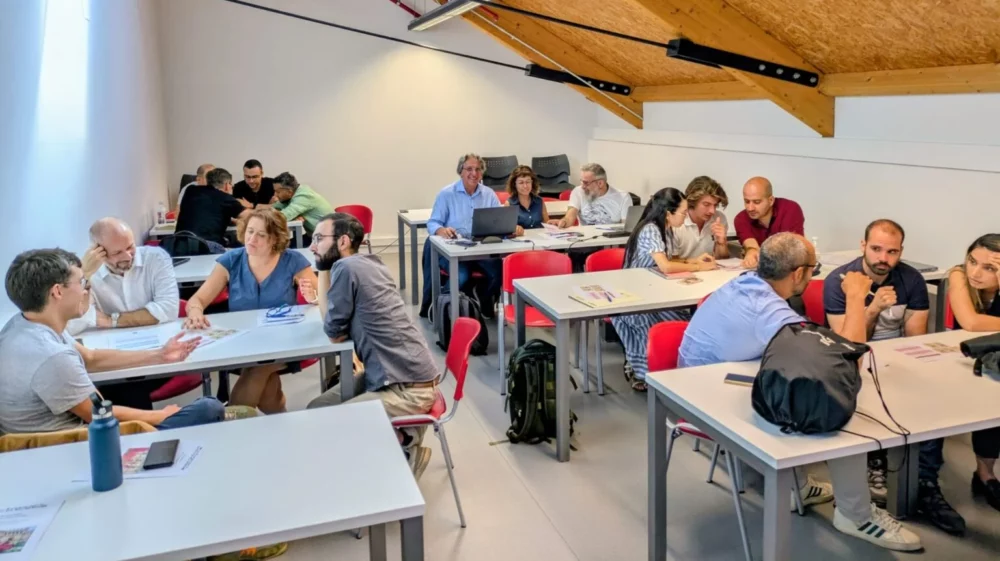
  • The work package 2 on Co-creation. A key component of this project is co-creation, which aims to develop models, scenarios, indicators, and analysis platforms through collaboration between scientists and stakeholders in each living lab’s knowledge network.
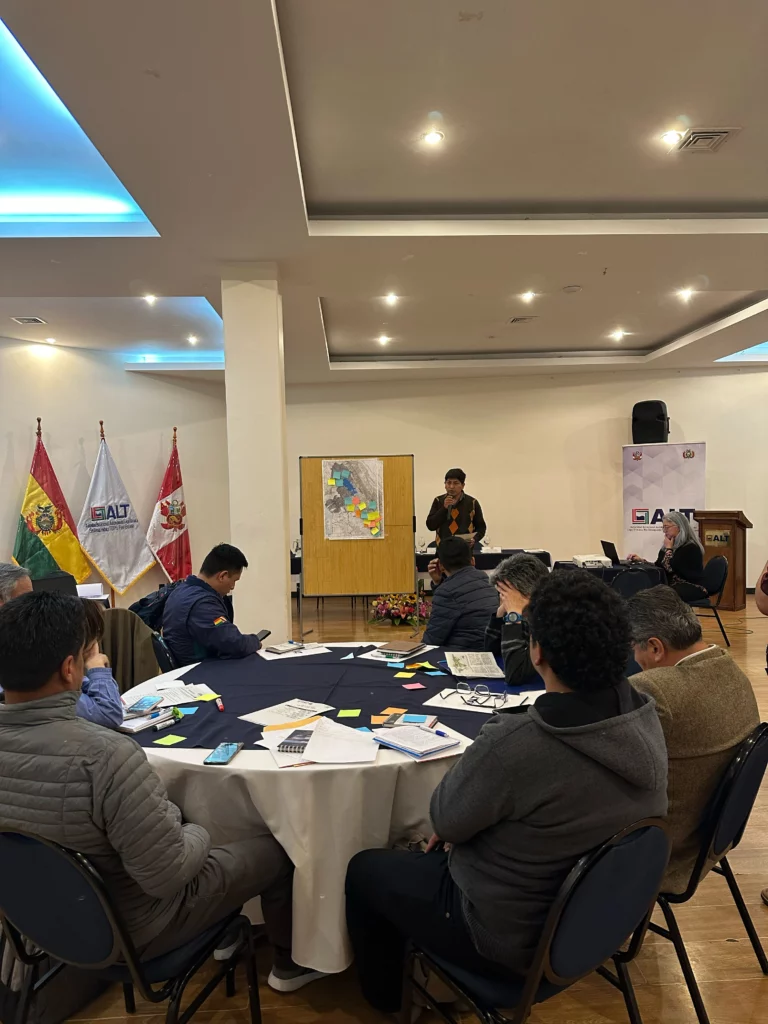
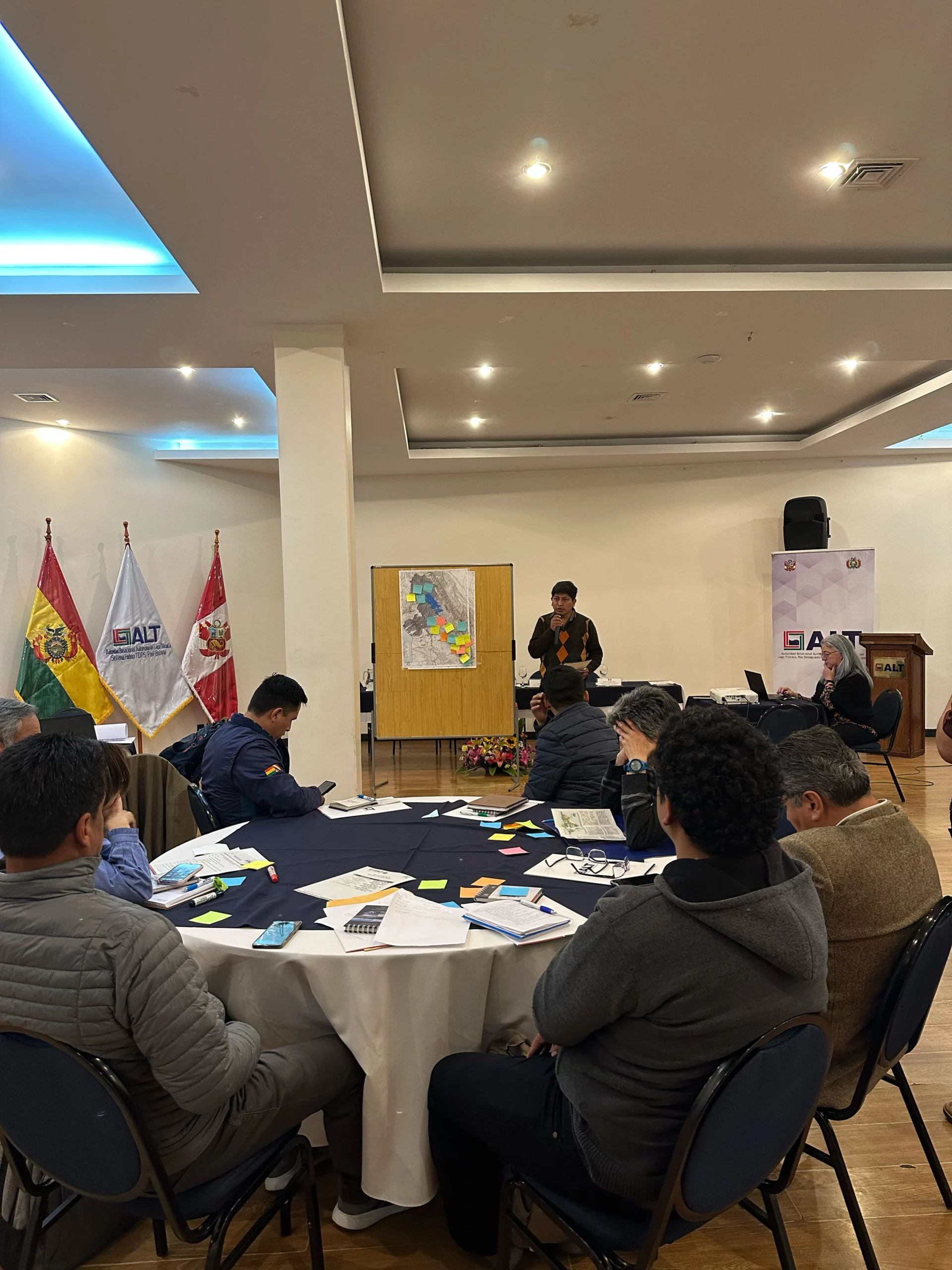
  • The Living Lab in the Titicaca-Desaguadero-Poopó system in Bolivia-Peru. Develops hydrological and hydro-economic models to support decision-making. Conducts scenario analysis under climate and socioeconomic uncertainty. Integrates modeling outputs into interactive Serious Games. Coordinates stakeholder engagement and co-creation processes. Co-designs TAPs with local actors. 
  • The development of Serious Games across all Living Labs, supporting participatory exploration of future scenarios and collective decision-making in Jucar, Reno, Nitra, Mahanadi, Tympaki and Orontes river basins.  

Context

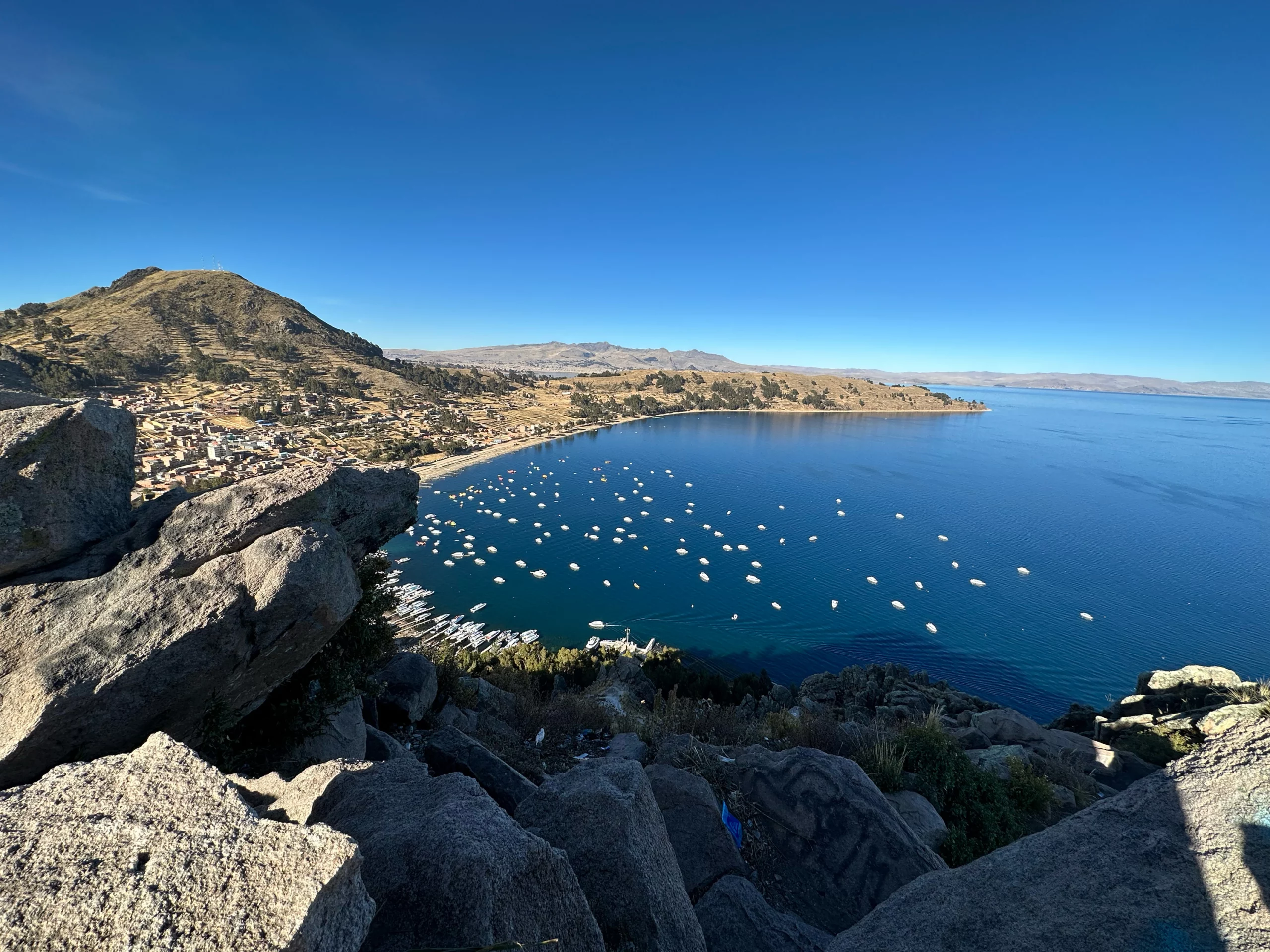
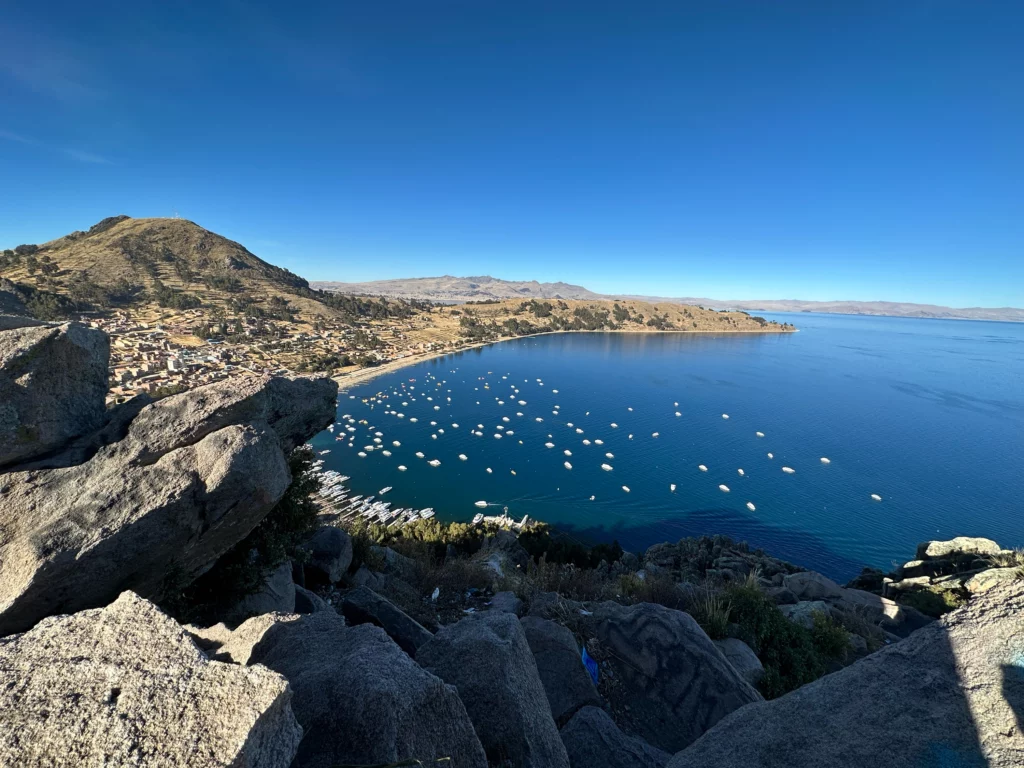
The Titicaca-Desaguadero-Poopó systems (TDPS) are a transboundary basin shared by Bolivia and Peru, characterized by a high-altitude plateau above 3000 meters, surrounded by mountain ranges exceeding 6000 meters. The system includes major water bodies such as Lake Titicaca and Lake Poopó and supports diverse ecosystems and livelihoods. 

Key features: 

  • Strong dependence on agriculture, the main water user. 
  • Combination of surface and groundwater use. 
  • High ecological sensitivity and climate vulnerability. 
  • Rapid land use changes, including agricultural expansion and urban growth. 

The region faces multiple challenges: 

  • Competition between upstream and downstream water users. 
  • Inequities in water access and governance systems. 
  • Weak transboundary coordination. 
  • Limited institutional capacity for innovation. 

SEI LA

Co-creation process: Scenathons

A core component of the TRANSCEND approach is the Scenathon methodology, a participatory process where stakeholders collaboratively explore future scenarios, assess system vulnerabilities, and co-design adaptation strategies under uncertainty. The infographic below illustrates this process, outlining the key phases and steps through which stakeholders and scientists jointly build knowledge, evaluate options, and support decision-making in complex water systems.

Yesica Rodríguez / SEI

  1. Knowledge networks: Collaborative platforms where stakeholders and scientists co-produce knowledge and decisions.
  2. Modeling suite: Integrates hydrological modeling developed in WEAP and an economic model used to simulate water availability and demand, evaluate trade-offs, and assess impacts of adaptation policies.
  3. Serious games: Interactive tools that translate complex model outputs into accessible experiences, support participatory decision-making and enable exploration of future scenarios. For the TDPS case study, explore the Serious Game here: https://latinoamericasei.shinyapps.io/TRANSCEND_SG_TDPS/
  4. Publications: The project has generated a set of key publications that capture its methodological approach and emerging insights. These include the Co-creation Report, which documents progress and lessons from stakeholder engagement across Living Labs; the Scenathon Guidelines, outlining the participatory methodology used to co-design adaptation strategies; and a Policy Brief for TAPs focused on the TDPS case study, highlighting context-specific challenges and pathways for implementation.


SEI Team

Tania Santos

Team Leader: Water; Research Fellow

SEI Latin America

Camilo González

Research Associate

SEI Latin America

Yesica Rodríguez Blásquez

Research Associate

SEI Latin America

David Purkey

Senior Research Fellow

SEI Latin America

Gustavo Ayala

Research Fellow

SEI Latin America

Nilo Lima

Research Fellow

SEI Latin America

Topics and subtopics
Water : Water resources
Related centres
SEI Latin America