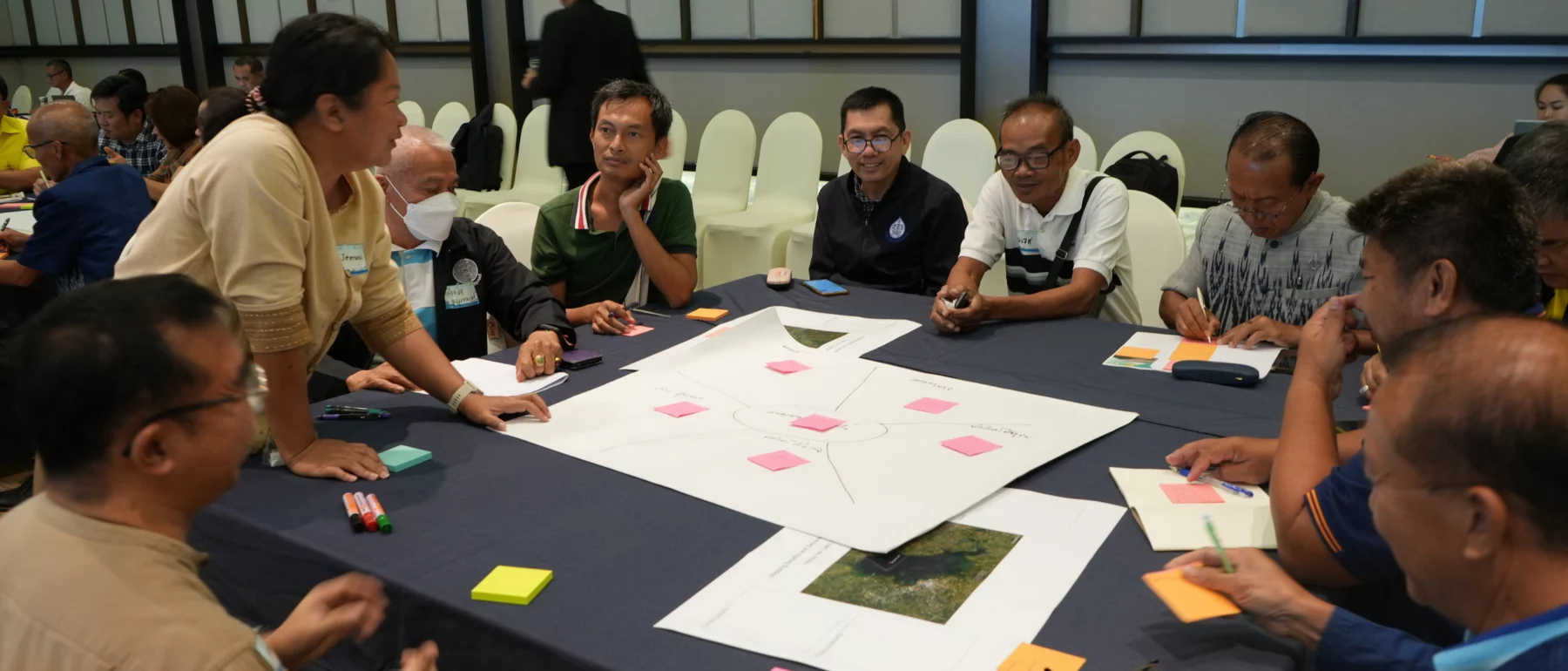
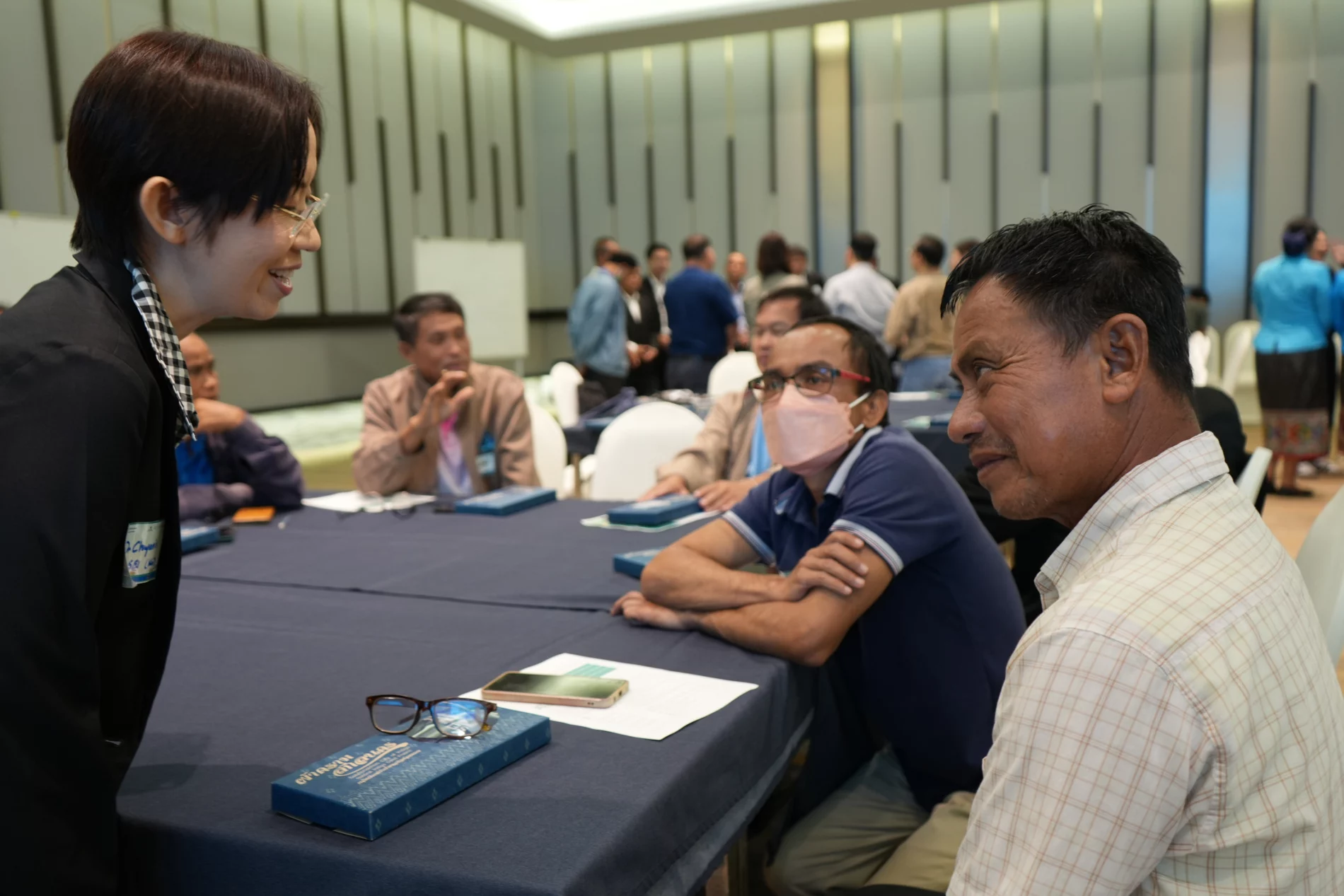
Water storage infrastructure is growing in the Mekong Region for water supply and energy, but dams and reservoirs can disrupt natural flows, fisheries, and livelihoods. On 24-25 July 2024, over 80 representatives from Thailand and Lao PDR met in Sakon Nakhon for the Solutions and Operations for Water Storage (SOS) project kick-off, discussing challenges and priorities in managing water storage systems with a focus on equity and inclusivity.
Over the years, the Mekong Region has increasingly relied on rapidly expanding infrastructure storage to meet its water demands for water, food, and energy security.
The dams and reservoirs have altered the basin’s ecosystems and flows. They have also adversely affected vulnerable and marginalized communities that rely on the Mekong River for their livelihoods.
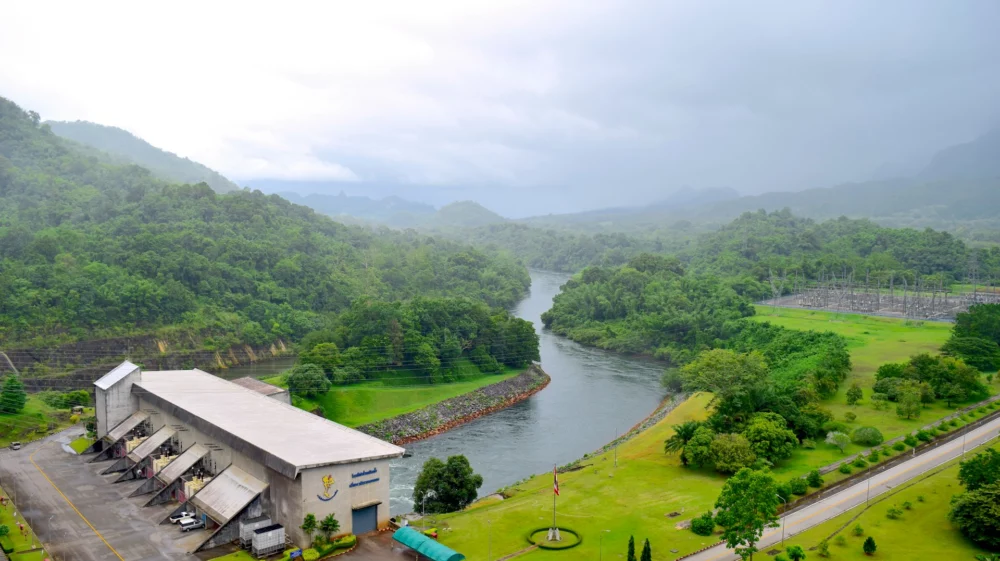
To date, 745 dams are operational and/or under construction in the basin, with maximum hydropower dams operating in Lao PDR (93 in no.) and reservoirs for water supply in Thailand (312 in no.).
The dam and reservoir operations across the region have modified the monsoon-driven hydrological cycle, negatively impacting the natural flood pulse, floodplain fisheries, and agriculture. The loss of flood buffering capacity in the basin has intensified flood risks, leaving local communities and their livelihoods exposed to disasters.
These trends underscore the need for a paradigm shift in managing trade-offs between infrastructure storage (dams and reservoirs) benefits and consequences for livelihoods and ecosystems such as lakes and wetlands.
Infrastructure development needs to take place while also ensuring equitable benefit sharing among the basin countries to efficiently manage the transboundary waters for social, economic, and environmental sustainability.
An inclusive cooperation strategy is required to address problems resulting from unequal resource allocation, particularly in hydropower development and irrigation projects.
Participants from Thailand highlighted the need to establish joint committees for managing storage and balance demands for different sectors and user groups.
In contrast, Lao participants stressed the need to diversify benefits derived from hydropower storages beyond energy production, including irrigation, fisheries, and tourism.
Dr. Phoummixay Siharath from the National University of Laos (NUOL), Lao PDR shared his opinion that equitable benefit sharing could be the concept of “fair and just distribution” of benefits derived from the use of natural resources.
He further highlighted that equitable benefit sharing necessitates the involvement and consultation of all relevant stakeholders, including local communities, governments, and private sector entities.
I think it could be useful for sustainability in terms of water storage management, and we need to strike a balance when it comes to infrastructure and natural storage options.
Dr. Phoummixay Siharath, NUOL
Photo: Chea Sameang.
The lack of local voices in Mekong development projects is a huge concern that impacts the effectiveness and sustainability of regional development initiatives.
The meeting participants identified three groups at high risk of exclusion regarding decision-making while operating and designing infrastructure storages. These are disabled, poor/low-income households, politically marginalized communities, and Indigenous or minority groups. Addressing the vulnerabilities of these groups and ensuring inclusive leadership at the community level is critical to tackling disaster risks.
“If [we] further expand gray infrastructure in the region, we don’t know how it will impact our region in the future,” Phoummixay said.
Dr. Phoummixay also pointed out that one critical challenge may arise from the lack of “consensus or agreement” between the project developer and the local community. He stressed that the water demand and supply should be negotiated.
He concluded that local voice and participation are issues that should be addressed at every policy consultation meeting because they [the local community] are at the forefront of development.
“Before drafting the plans or project plans, local participation is the most important stakeholder the government should consider involving,” he added.
Nipon Muanmuang, a representative of the Basin Development Sustainable Promotion Association, Thailand, agreed with the challenges identified above as a representative working closely with local communities on the ground. He stated that lack of cooperation and long-term planning in managing water demand and supply are key challenges.
Oxfam’s 2018 report highlighted how water governance strategies and institutional frameworks in the Mekong Region frequently fail to appropriately address gender-related issues and women’s persisting exclusion, particularly the consequences of hydropower development on fisheries and food security. The integration of gender equality, disability and social inclusion (GEDSI) for water storage management is essential.
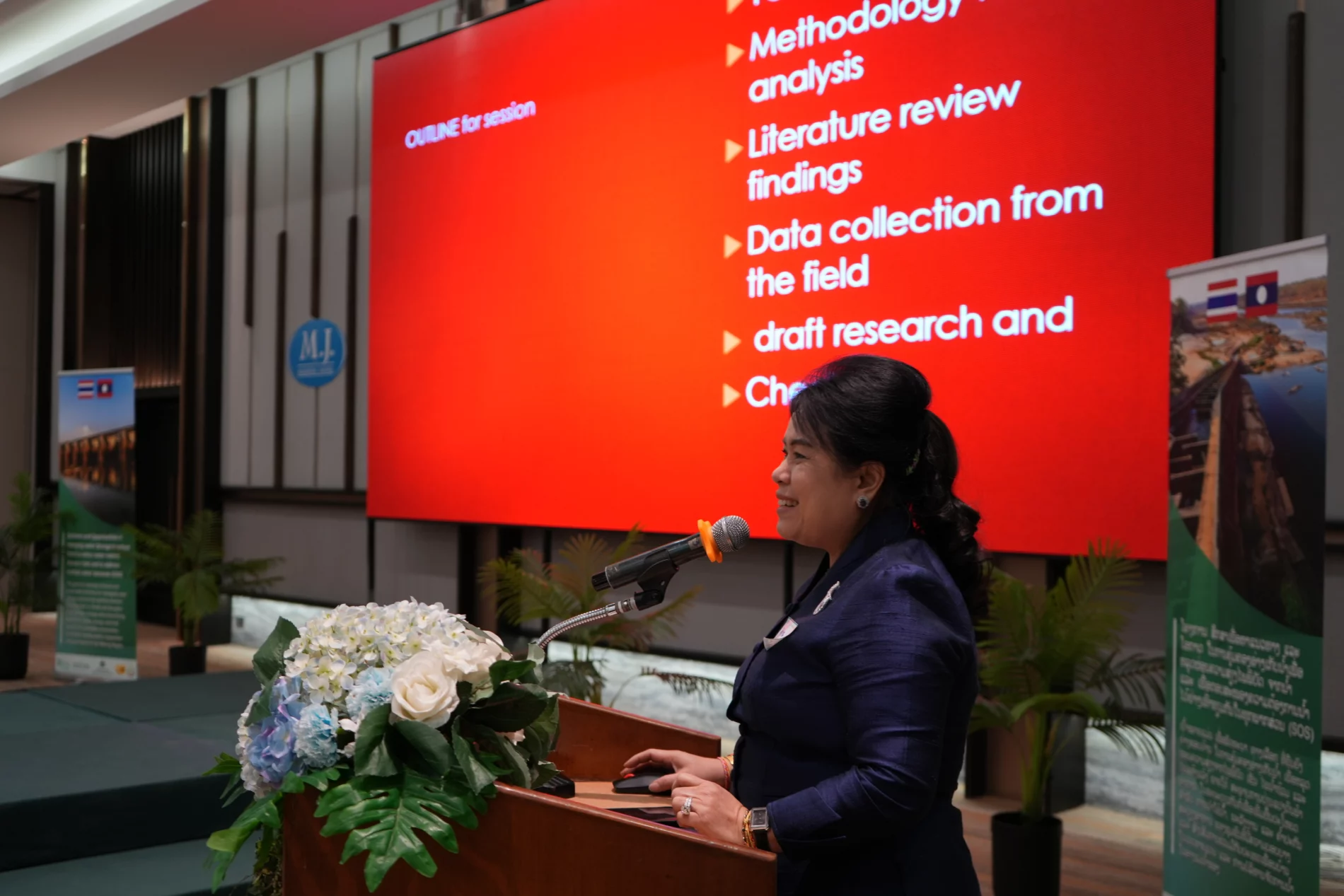
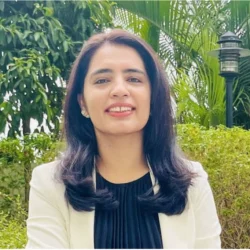
Dr. Ninphaseuth Xayaphonesy, Director General of the Department of Women in Development of the Lao’s Women Union, expressed that gender is a cross-cutting issue. It is not only about water, energy and climate change but integral to all. She suggested that bringing women into policy decision-making could navigate our society and socioeconomics into a more sustainable society.
Dr. Ninphaseuth Xayaphonesy, Director General of the Department of Women in Development at the Lao Women’s Union, presented her slide on gender analysis and the SDGs with a focus on GEDSI.
Photo: Chea Sameang.
Questioning the role of men and women in the family structure is another jargon or loophole to emancipate. Thus, having clear indicators of gender mainstreaming in the action plans is something to work on. Also, changing the traditional norm in the society of male patriarchy requires a long way of understanding and inclusive participation. Changing the behaviour of society from every perspective requires patience.
You can’t change gender issues in one way or one day; it takes a long time to navigate.
Dr. Ninphaseuth Xayaphonesy, Director General of the Department of Women in Development of the Lao’s Women Union
She highlighted that many times at the workshop or meeting, they don’t allow women to participate, so there is no inclusive engagement. She added that women’s participation is crucial in developing inclusive and equitable planning and decision-making. Those policymakers must have the background and knowledge of gender to make the plans more inclusive and cohesive.
She stressed the situation of marginalized groups who are less able to access basic services or opportunities in projects or trainings. “We must provide them with space to engage and support them at all costs,” she asserted
To develop a comprehensive understanding of gender equality, disability, and social inclusion within water storage management practices, “we needs to have primary data [gender disaggregate data], gender action research, and gender budgeting,” she suggested. Gender budgeting is a method of improving budgeting by ensuring fiscal policies and administrative procedures can better address gender disparity.
Dr. Ninphaseuth added that effective communication and accountability are essential when implementing or developing long-term action plans.
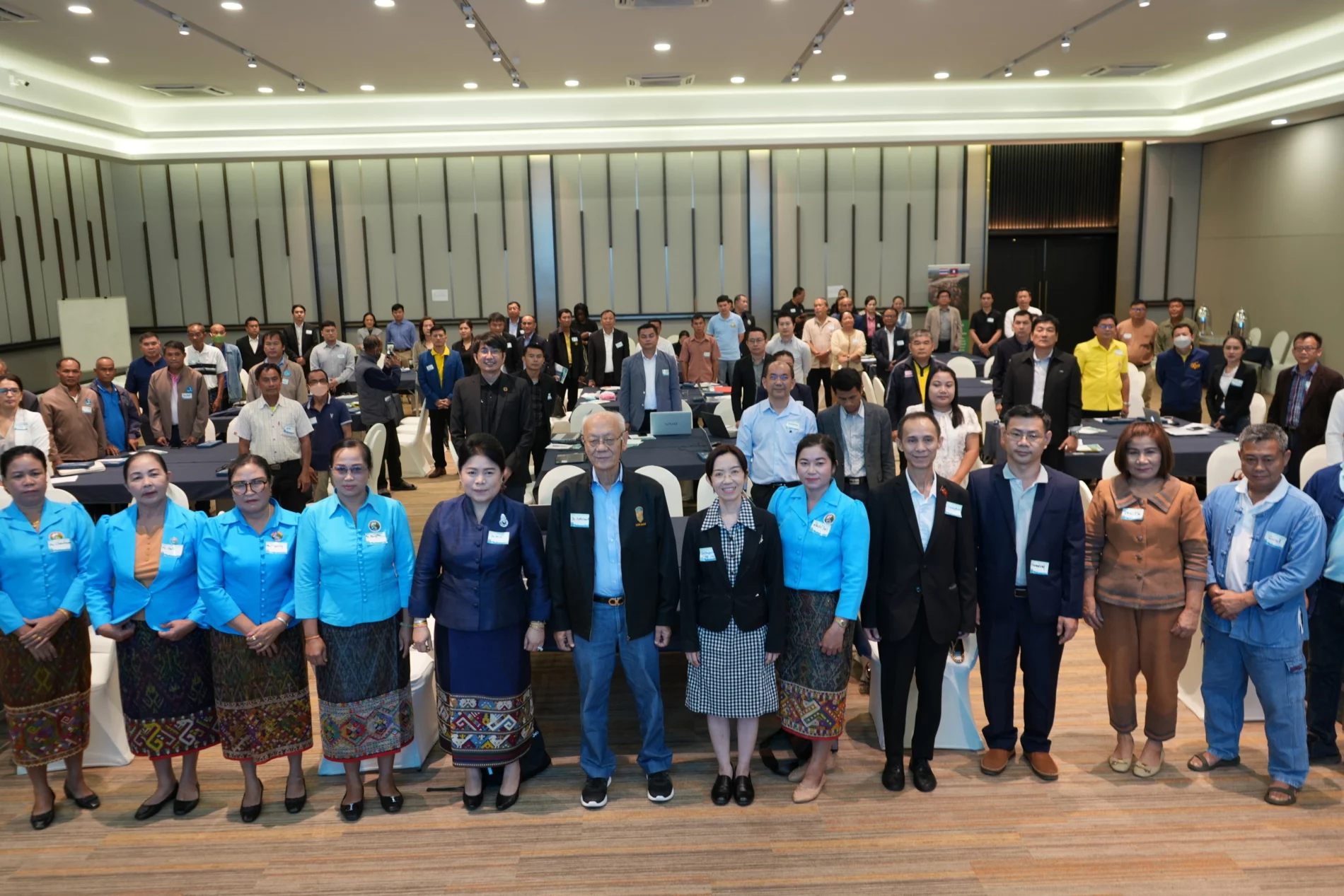
Hundreds of participants from Thailand and Laos attended the kick-off meeting of the SOS project to share and discuss future risks and what should be done to address them.
Photo: Chea Sameang.
This perspective is written by Chea Sameang, a fellow with the Mekong Thought Leaders and Think Tanks Network, along with SEI co-author Ridhi Saluja.
Project / This project aims to develop inclusive and sustainable solutions for managing water storage options in the Mekong Region.
Past event / This meeting aims to introduce the SOS project, understand regional and community priorities and promote gender equality and inclusivity.
Project / This project aims to develop inclusive and sustainable solutions for managing water storage options in the Mekong Region.
Program / This three-year program will develop clear and actionable evidence-based solutions to water, energy, and development challenges in the Mekong Region.