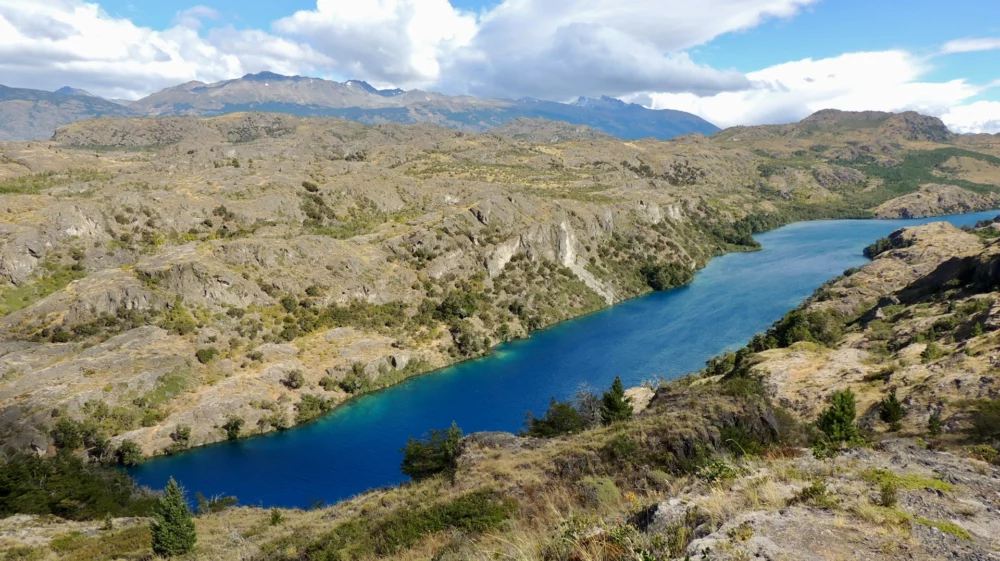
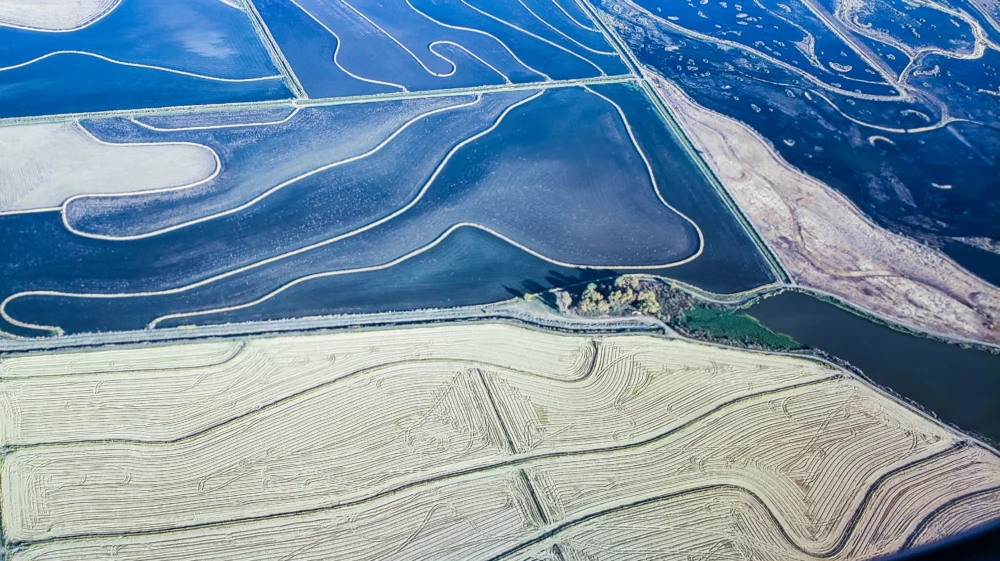
This project supports efforts in improving water resource management in Chile, as required by the country’s policy updates. Collaborating with the Center for Advanced Studies in Arid Zones (CEAZA), researchers will develop and refine water modelling tools to facilitate effective and sustainable water basin management strategies.
2024
Chile’s climate is highly diverse, ranging from the hyper-arid Atacama Desert in the north to the temperate rainforests in the south. This variability poses significant challenges for water resource management, as the country experiences extreme differences in precipitation, temperature and evapotranspiration. Central Chile, home to a significant portion of the population and agricultural activity, is particularly vulnerable to climatic fluctuations, often facing prolonged droughts and intense rainfall. These conditions necessitate robust and adaptive water management strategies to ensure sustainable water availability across the country’s varied landscapes, especially under a changing climate.
Water management in Chile is further complicated by the clash of national legislation and watershed-level resource challenges. The national market-based water rights system developed in the 1981 National Water Code led to fragmented and inefficient water governance driven by the interests of individual private water rights owners. To address the need for integrated water basin management strategies, the code was updated in 2005 and 2022. While these updates aim to improve environmental sustainability and equity in water use, lack of comprehensive data integration and modelling tools that can provide a holistic view of water resources has made their implementation difficult. Consequently, Chile urgently needs improved coordination and advanced technical solutions to bridge the gap between national policies and local water management needs.
This project strengthens the long-term collaboration between SEI and researchers in Chile who support basin-level water resources planning required by Chile’s 2022 National Water Code update. We are providing technical consultation on coupled groundwater-surface water modelling with WEAP-MODFLOW as well as learning from the models developed by The Center for Advanced Studies in Arid Zones (CEAZA) to improve WEAP-MODFLOW coupling and features. This collaborative effort will solidify the relationship between CEAZA and SEI US going forward, generating greater feedback to SEI from users of specialized features in WEAP. Such relationships facilitate more robust integrated modelling of groundwater and surface water, which in turn strengthens Chile’s capacity for effective and sustainable water resource management.
Tool / The Water Evaluation and Adaptation Planning tool (WEAP) provides a comprehensive and user-friendly framework for policy analysis in water resources planning.
About Planning and modelling and Water resources
Project / SEI supports the General Directorate of Water of Chile to formulate strategic plans in all the river basins of the country through.
2019 - 2021 / About Water resources
Project / A team led by SEI worked with water managers in California's Yolo County to prepare for implementation of the Sustainable Groundwater Management Act (SGMA).
2016 - 2022 / About Food and agriculture, Planning and modelling and Water resources
Project / SEI uses its flagship water modelling software, WEAP, to update the California Water Plan.
2006 / About Adaptation, Food and agriculture, Planning and modelling and Water resources
Project / This project aims to foster political convergence and strengthen cooperation on methane mitigation
2025 / About Adaptation, Climate policy, Pollution and Public policy
Journal article / This study shows options for potential land-system futures for the Gran Chaco, a global deforestation hotspot with high biological and cultural diversity.

27 June 2024 / About Ecosystems, Food and agriculture, Land use and Public policy