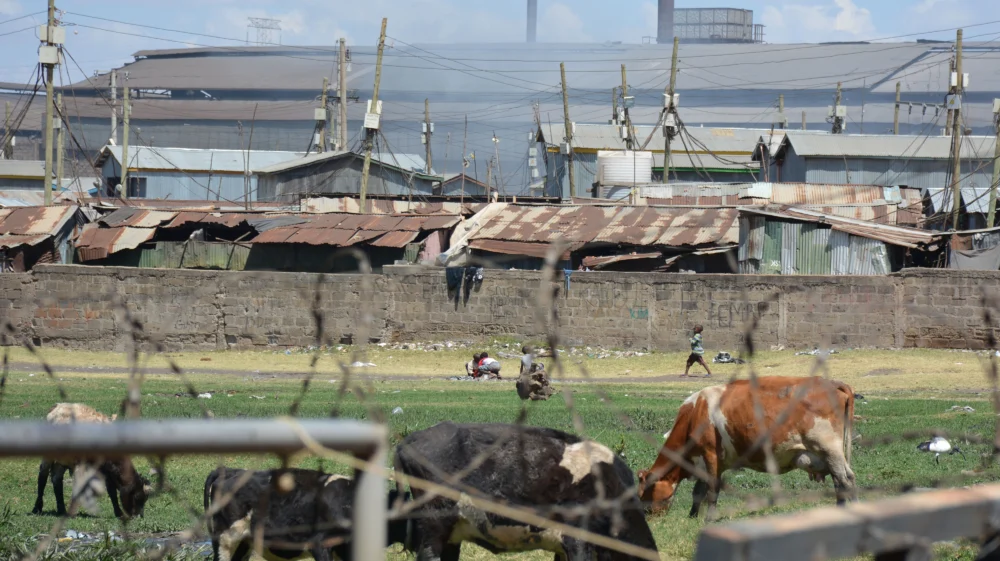
In Kenya, where the informal e-waste recycling sector is growing, infrastructural constraints, limited enforcement, and regulatory frameworks that often sideline informal actors leave many workers exposed to hazards, with limited access to protective equipment, occupational health services, or social safeguards. While research to date has focused on material recovery and economic benefits, less is known about the risks and structural barriers workers face.
This project, jointly led by SEI HQ and SEI Africa, seeks to advance a just transition framework within the e-waste sector in East Africa, focusing on case studies in Nairobi and Mombasa, Kenya. The project’s activities will identify recommended changes to promote safer, more inclusive working conditions in the e-waste value chain.
Objectives
This research analyses the role of key policies and stakeholders while systematically assessing the occupational safety and socio-economic conditions of workers engaged in e-waste management, material recovery, and reuse.
The ultimate objective is to foster an environmentally sustainable and socially inclusive e-waste sector, ensuring that the transition to circularity does not perpetuate existing inequalities, but rather promotes equitable and dignified working conditions for all stakeholders.
Activities
Event on 28 October in Yerevan / Armenia faces waste disposal challenges alongside potential for resource recovery. We explore how to recover valuable resources and reduce pollution.
Journal article / "Breathing well" is about more than air quality: cleanliness, population and building density and the presence of vegetation all make a difference.
Project / Enhancing the income and climate resilience of smallholder producers in Nigeria and Liberia by promoting access to integrated aquaculture-agriculture systems