The overall aim of this project is to build evidence on systemic factors leading to failures and successes of policy development and implementation towards a sustainable energy transition.
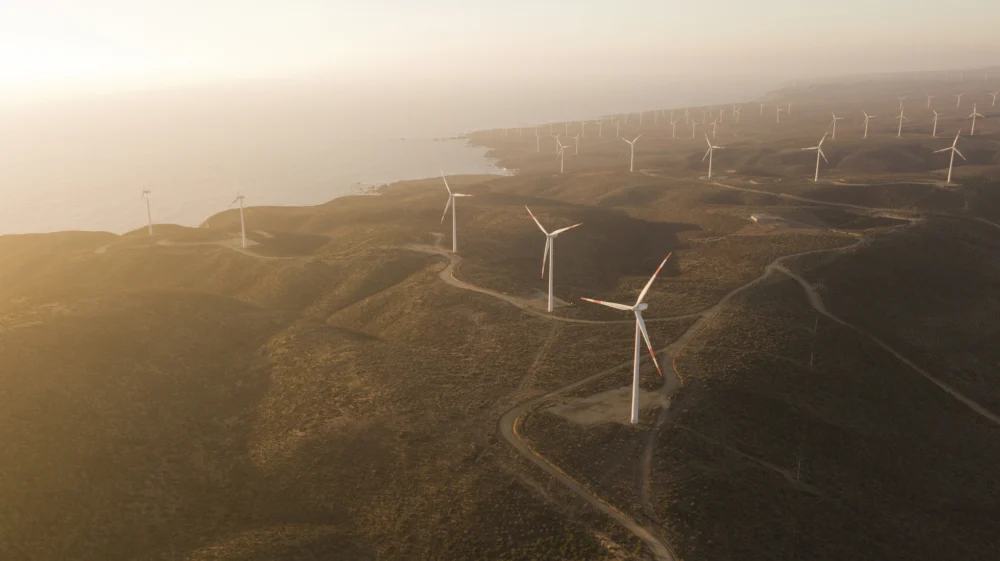
Image by teresa cotrim from Pixabay
Image: Teresa Cotrim/Pixabay
Although over 80% of Kenya’s power in 2021 was generated from renewables, including a combination of geothermal, hydro, wind, and solar, efforts by the Kenyan government to support a rapid expansion of renewable electricity have had mixed results. A feed-in tariff policy was introduced in 2008 and has been revised several times since that date. The policy sets fixed price tariffs for a range of renewable energy technologies. However, only a small renewables capacity has been successfully deployed with support from the feed-in tariff policy.
The overall aim of this project is to build evidence on systemic factors leading to failures and successes of policy development and implementation towards a sustainable energy transition. Specific objectives to achieve this goal are fivefold:
The project is funded by the UK’s Foreign, Commonwealth and Development Office (FCDO).
Past event / The workshop brings together stakeholders involved in the energy, climate, poverty and inequality reduction sectors to discuss research findings and co-create.
SEI report / This report analyses the extent to which African policies and practice aid the value and trade of critical minerals for the continent's renewable energy future.
Other publication / This research highlights the need to treat social viability as a core part of renewable energy planning, investment and implementation.