Skip navigation
High-voltage transmission towers over grassy rural landscape under blue sky.
Project

Updating the evidence base for Norad’s clean energy portfolio: advancing clean energy access for sustainable development

This project provides Norad with a synthesis of existing evidence on the effectiveness of development cooperation in the energy sector, particularly in areas of generation, transmission, on- and off-grid access, clean cooking, knowledge sharing and policy reform with a focus on sub-Saharan Africa.

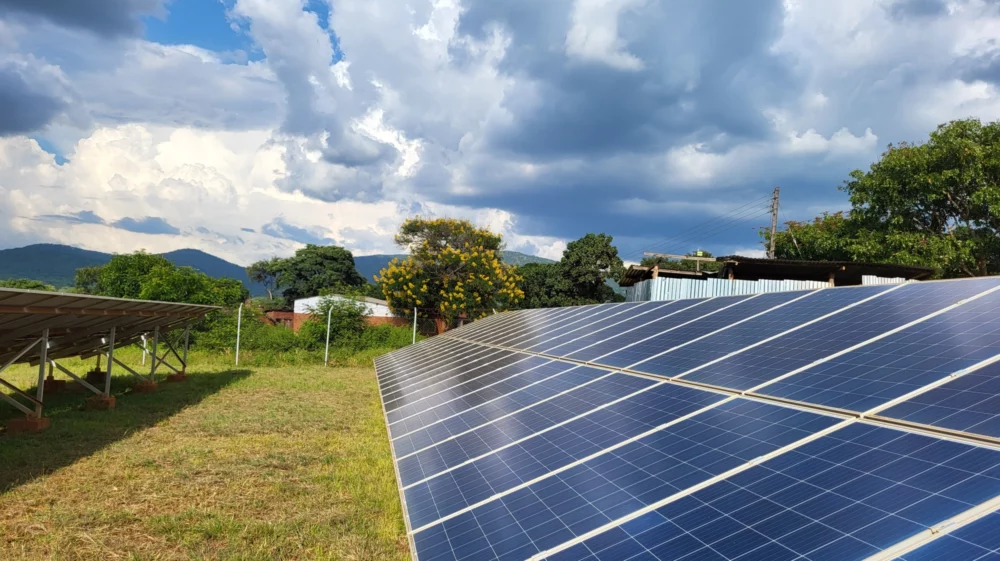
Photo: Daniel Duma / SEI.

Active project

2024–2026

Expanding access to clean, reliable energy is critical for human and economic development in low- and lower-middle-income countries. The knowledge base for Norad’s clean energy portfolio examined how development cooperation in the energy sector translated into results. The project brought together evidence from across Norad’s clean energy portfolio to understand how different types of interventions such as electricity generation, grid infrastructure, off-grid solutions, and clean cooking performed in practice.

Drawing on a broad review of academic and practitioner literature, the project explored the full energy system, from large-scale electricity generation and transmission to on- and off-grid access, clean cooking, and the enabling roles of policy reform, knowledge sharing, and institutional capacity. Using a theory of change approach, the project followed how these interventions were implemented and how they progressed over time, linking initial inputs to outputs and ultimately to wider economic and social impacts.

Key findings from across the sector

Despite progress, the findings revealed several insights across the sector:

  • Generation capacity has grown, but gains do not always translate into broader system performance.
  • Transmission and distribution remain key bottlenecks, limiting the growth in generation capacity.
  • Energy access is constrained by affordability, low ability and willingness to pay.
  • Off-grid operators deal with significant shortfalls in payment collection, despite their flexibility and reach.
  • Clean cooking interventions struggle with sustained adoption and consistent impact.
  • Policy reform is essential but difficult, shaped by political economy and institutional realities.
  • Capacity building requires long-term commitment to produce meaningful results.
  • Macroeconomic and market conditions are decisive, influencing both public and private sector engagement.

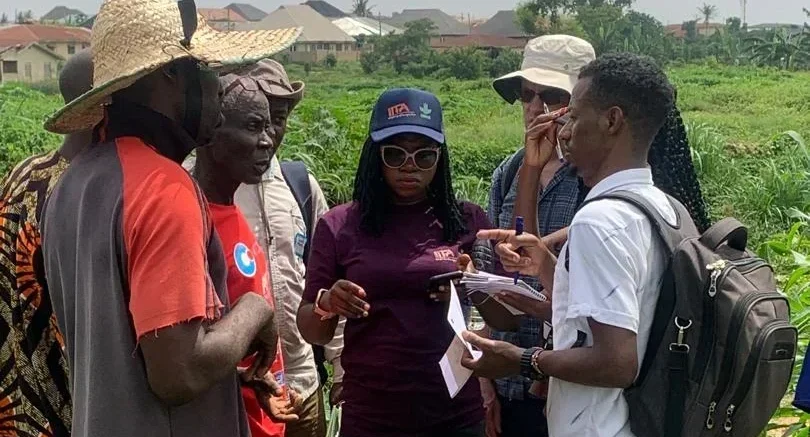
As part of the project, SEI conducted two case studies and field work in Malawi and Mozambique in order to triangulate the evidence with local stakeholders including customers, businesses (small farms, retail), off-grid operators, financiers, development partners and the government.

A central conclusion of the project is that access to modern energy is necessary but not sufficient on its own to ensure development outcomes. Several conditions need to be met for energy interventions to be effective, including:

  • Institutional and political economy alignment.
  • Thorough understanding of the preferences, ability and willingness to pay for energy services of different types of customers.
  • Sustained and long-term engagement for substantial capacity development and policy reform.

The project also highlighted the evolving role of development partners and the importance of carefully determining the appropriate role of private sector participation in scaling sustainable solutions.

As part of the project, Norad published the full knowledge base as a report and based on the findings, SEI published a policy brief.

Funder

This project is funded by Norwegian Agency for Development Cooperation (Norad), the Norwegian government’s agency for international development.

Daniel Duma
Daniel Duma

Senior Research Fellow

SEI Headquarters

Maximilian Bruder
Maximilian Bruder

Research Fellow

SEI Headquarters

Annika Hilgert

Research Associate

SEI Headquarters

Fiona Lambe
Fiona Lambe

Team Leader: Development Policy and Finance

SEI Headquarters

Miquel Muñoz Cabré

Senior Scientist

SEI US