Skip navigation
River
Program

SUMERNET PLUS

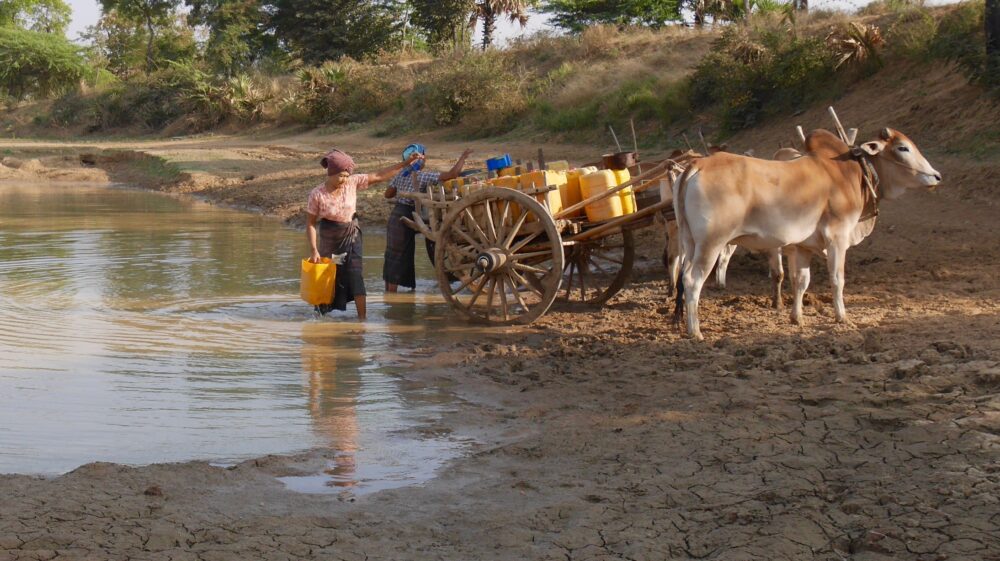
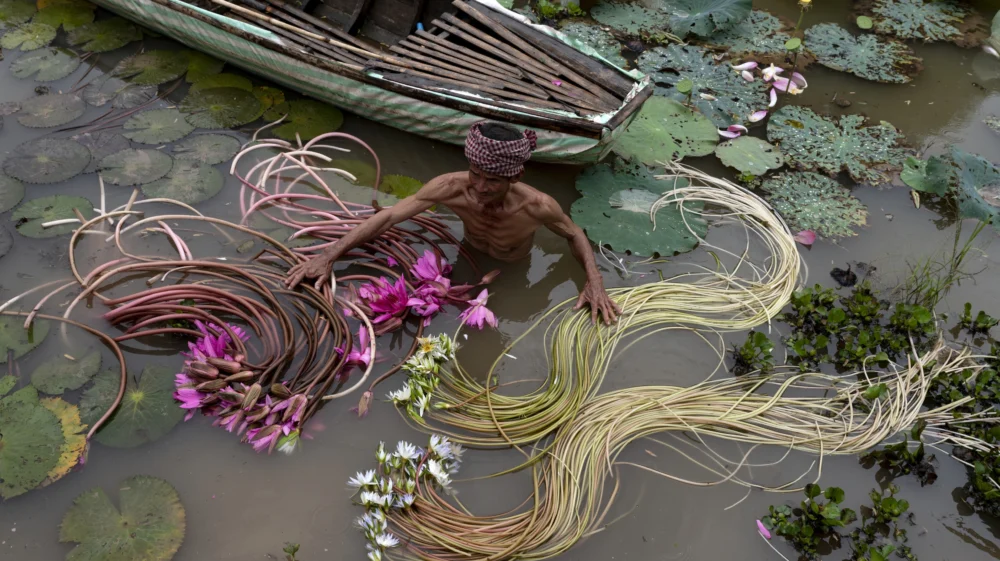
SUMERNET PLUS will work towards linking evidence-based research with policymakers, practitioners, private sectors, young professionals, local communities, and vulnerable and marginalized groups across the region so that choices made for policies and practices will ensure socially inclusive, equitable, and sustainable development in the Mekong Region.

Photo: Icon0 / Canva Pro.

Active project

2025–2029

For the last two decades, the Sustainable Mekong Research Network (SUMERNET), a transboundary programme in the Mekong Region, has brought together researchers, policymakers, and communities across borders to address some of the region’s most pressing environmental challenges.

In the just-concluded phase of work (2018- June 2025), SUMERNET 4 All, the network focused on reducing water insecurity.

In this new phase, SUMERNET PLUS (July 2025 to December 2029), the network will strive to improve policies and practices through scientifically robust, policy-relevant research and diverse and innovative means of outreach to support a just and sustainable transition for enhanced climate resilience, while taking into account gender equality, disability and social inclusion and human rights-based approach in the Mekong Region.

SUMERNET PLUS, in general, will have a regional coverage including six countries in the Mekong Region: Cambodia, China (specifically Yunnan Province and Guangxi Zhuang Autonomous Region), Lao PDR, Myanmar, Thailand, and Vietnam.

Sustainable Mekong Research Network (SUMERNET) was launched in 2005 with the funding support of the Government of Sweden through the Swedish International Development Agency (Sida). Membership has grown from the initial 14 founding members to include more than 900 network members from more than 400 organizations, comprising academics, government line agencies, independent research institutions and international organizations.

Over the past three decades, the Mekong Region has evolved from one of the least developed regions into a dynamic hub of diversified industries and economic growth. This transformation, driven by economic development based on its rich ecosystems, including rivers, wetlands, forests and farmlands, lifted millions out of poverty and improved livelihoods.

While the region’s economic growth has relied on harnessing its natural resources for goods and services, this has also resulted in environmental degradation and social inequities. There is a need to balance resource-based development with long-term environmental resilience. Some of the continuing challenges faced by the region are: conserving ecosystem health and biodiversity, addressing interconnected demands of water, energy and food, strengthening transboundary cooperation, and adapting to the ecological impacts of extreme weather variability caused by the changing climate.

Since its inception in 2005, SUMERNET, with long-term support from the Swedish Government and its constituents of citizens from the countries in the Mekong Region, have contributed to bringing these challenges into the regional discourse on sustainable development and through evidence-based research seeking out solutions that would support the policy formulation arena.

SUMERNET supports policy-relevant research and outreach activities to inform and engage decision-makers, planners and stakeholders bringing together research partners engaged in sustainable development in the six countries of the Mekong Region: Cambodia, China (specifically Yunnan Province and Guangxi Zhuang Autonomous Region), Lao PDR, Myanmar, Thailand, and Vietnam. Within this context, it pursues an evolving agenda in response to questions and policy issues that arise in the region.

The current phase of SUMERNET called “SUMERNET PLUS” builds on the achievements, lessons learned, and connections made during the first four phases of the SUMERNET, adjusting to respond to changing conditions in the region to contribute towards long-term climate-resilient Mekong through just and sustainable transitions in the Mekong Region.

In the previous phase (2018- June 2025), Phase 4 called “SUMERNET 4 All,” the network focused on reducing water insecurities for all, in particular, the poor, marginalized and socially vulnerable groups of women and men in the Mekong Region.

  • Enhanced capacities and inclusive collaborations of Mekong’s knowledge producers, policy influencers, and young professionals are needed to deliver credible research, solution-oriented knowledge coproduction, policy engagement, and communications that respond to the differentiated needs of local communities, women and other marginalised groups, and local leaders in addressing climate resilience challenges.
  • Improved policy development and implementation by policymakers and practitioners that are inclusive, gender-responsive and grounded in human rights-based approach to deliver equitable climate resilience solutions in the Mekong Region.
  • Adoption of just, equitable and sustainable practices by the private sector and other stakeholders, based on inclusive evidence from solution-oriented knowledge co-production, will contribute to climate resilience in the Mekong Region.
  • Exploring nexus interactions and trade-offs in the Mekong Region. This theme focuses on existing dependencies, synergies, and trade-offs among key sectors (e.g., water, energy, agriculture, and forests) with the overall purpose of designing innovative solutions that address the existential threats of climate and unsustainable development using a transdisciplinary and inclusive approach.
  • Building socio-ecological resilience across scales. Through practical and innovative partnerships (including public-private partnerships), this thematic area will maintain and enhance the resilience of socioecological systems to development and climate change.
  • Just sustainable transitions. This thematic area will support the development of innovative, scalable solutions and evidence in key sectors (e.g., water, energy, agriculture, and forests) on a just sustainable transition for climate resilience. It will focus on defining the problem and solutions along with marginalized and vulnerable communities, women, youth, and local and Indigenous peoples.

Priority areas of work

  • Climate change adaptation and mitigation
  • Water-energy-food nexus
  • Agriculture and food systems
  • Forests and environmental degradation
  • Women, youth, and climate action

Creating impact

SUMERNET PLUS will support a range of grants (from short-term rapid-response projects to multi-year innovations), dialogue and events, and research and policy outputs to deliver on the programme goals.

Grants – A total of 34 grants will be provided ranging from SEK 150,000 to 2,000,000 (approx. US$ 15,000-200,000).

    • Scoping study grants: to identify existing innovative solutions and policy demands in the region.
    • Rapid response grants: to respond to emerging issues and/or needs of regional, national or local policy or strategic partners.
    • Joint study grants: to identify policy needs and entry points, which will be integrated in the call for joint study proposals that must address policy needs with relevant solutions.
    • Seed innovation grants: that identify issues related to climate resilience and generate idea of innovative solutions.
    • Innovation grants: The largest grant in terms of funding amount and duration under SUMERNET PLUS supports multi-year, multi-country action pilots addressing nexus issues to enhance climate resilience through innovative solutions.
    • Fellowship grants: The grants for the individual early career professionals contributing to and learning from the programme that supports climate resilience in the region.

Capacity Building

    • Training researchers, policymakers, practitioners, think tanks, young professionals, and communities in climate resilience, inclusive policy engagement, effective communications including media relationships, and financial management integrating ethics, monitoring and learning.

Policy Dialogues

    • Amplifying local voices at regional forums (e.g. Mekong River Commission, Lancang-Mekong Cooperation, ASEAN) to shape inclusive policies that take into account the needs of local, grassroots and Indigenous communities as well as gender equality, disability and social inclusion and human rights-based approaches in the Mekong Region.

Secretariat of SUMERNET PLUS

Profile picture of Chayanis Krittasudthacheewa
Chayanis Krittasudthacheewa

Deputy Director, SEI Asia

SEI Asia

Vo Tran Trung Nhan

Programme Manager

SEI Asia

Thanapon Piman
Thanapon Piman

Senior Research Fellow

SEI Asia

Ridhi Saluja
Ridhi Saluja

Research Fellow

SEI Asia

Sushmita Mandal

Senior Research Fellow

SEI Asia

Rajesh Daniel

Head of Communications, SEI Asia

Communications

SEI Asia

Variya Plungwatana

Communications Officer

Communications

SEI Asia

Unchulee Lualon

Programme Coordinator

SEI Asia

Sizwile Khoza

Research Fellow

SEI Asia

Cynthia McDougall

Senior Research Fellow

SEI Asia

SUMERNET is open to organizations and individuals with an interest in contributing to sustainable development in the Mekong Region through knowledge-based policy engagement. We welcome partners to serve in different capacities and participate in various activities, e.g. research project implementation, knowledge exchange and sharing, capacity building and mentorship, joint publications, and contributing to policy debates and public forums.

How to become a member of SUMERNET

Interested parties can fill in the registration form using the link below or send an email to: [email protected].

Register now