part of Indoor air quality and Citizen Science
Central to the Schools’ Air Quality Monitoring for Health and Education (SAMHE) project is the SAMHE Web App. It enables teachers and students to see and interact with the air quality data from their classroom, use it in specially designed learning activities, learn about its significance, and enter important contextual information to enrich data analysis by researchers.
The SAMHE project has three key aims:
Schools’ use of the SAMHE Web App is essential to achieving these aims, so it was critical that the Web App was co-designed with schools, to maximize its acceptability and ensure that teachers and pupils engage with it. The project team adhered closely to the European Citizen Science Association’s (ECSA’s) Ten Principles of Citizen Science, which outline best practice for this participatory methodology.
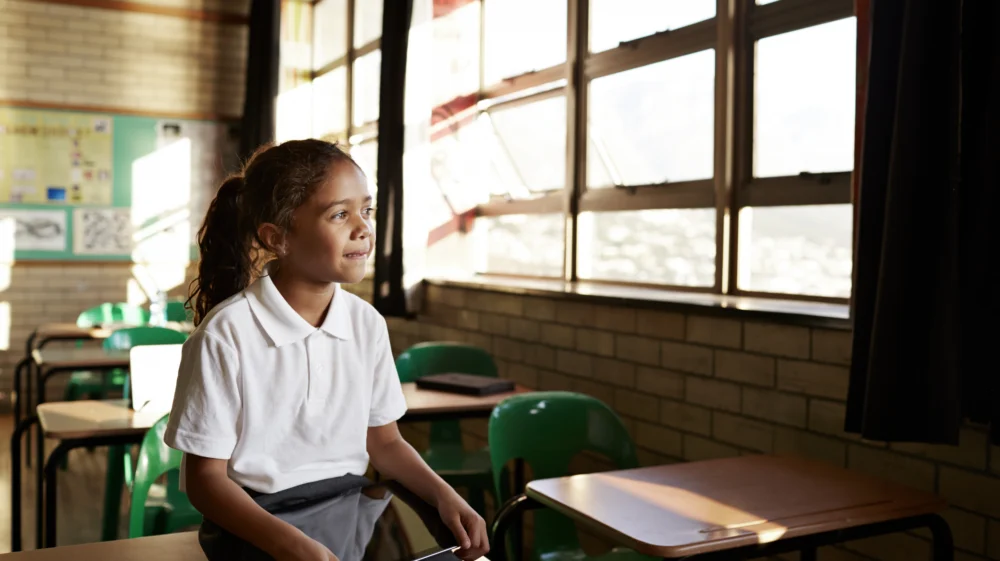
Children participating in lively classroom voting activity.
Photo: 10’000 Hours / Getty Images
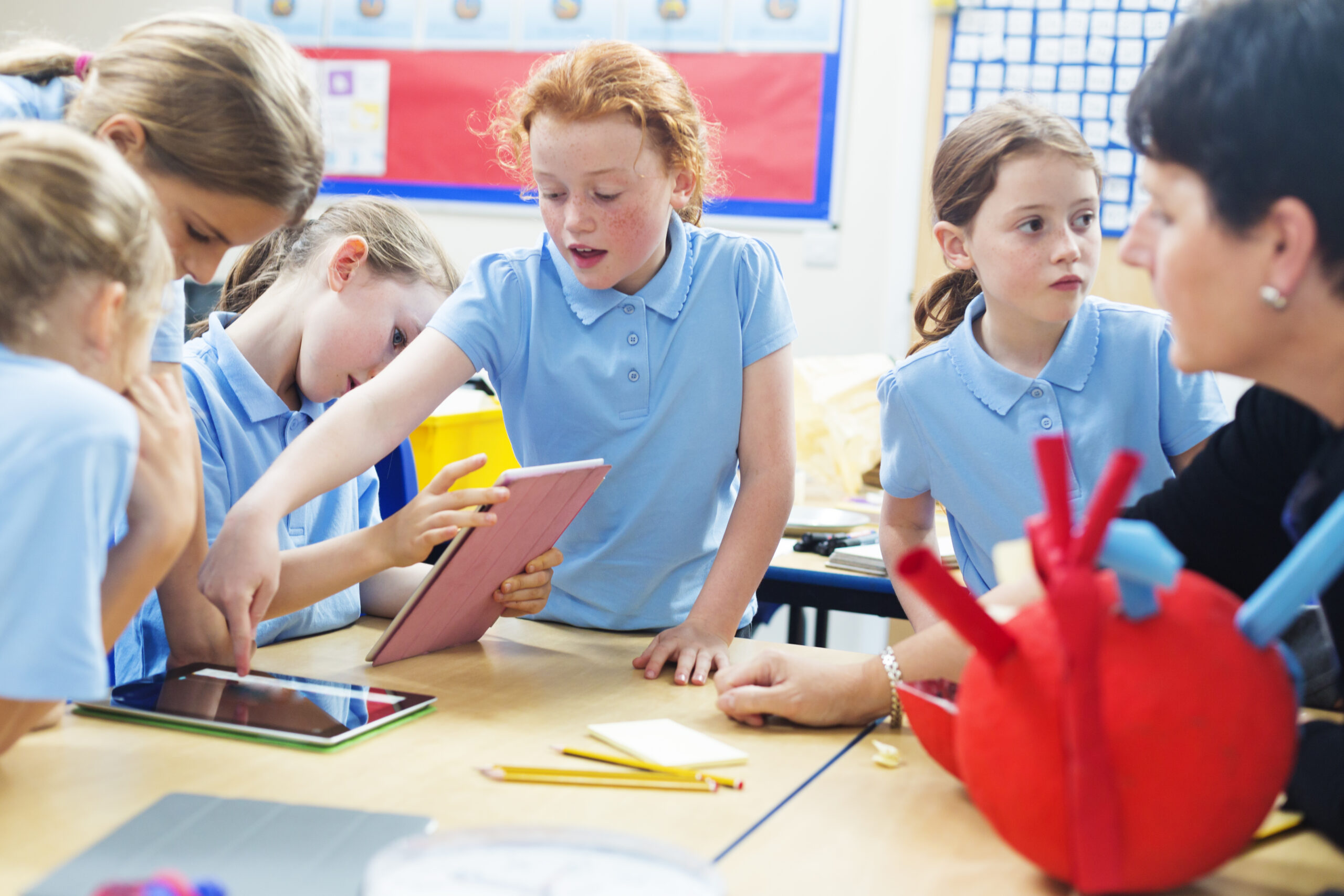
The co-design process went through two phases with an initial design phase involving a smaller number of schools (20+) and then a pioneer phase in which a larger number (120+) of schools tested the Web App and gave feedback. Pupils participated in co-design workshops with a teacher, either as a class group or as a lunchtime or after-school extra-curricular group such as a science club, school council or eco-group. Arkwright Scholars, aged 16+, participated without teachers. Teachers also participated, without students, in small group discussions and could input via Padlet boards at times that suited them.
This participatory process contributed a wealth of information to the project team’s design work, for instance taking into account children’s preferences on the look and functionality of the Web App, the limitations of teacher workloads and availability and functionality issues such as connecting to institutional WiFi networks.
The authors wish to express their gratitude to the SAMHE Co-design and Pioneer Schools who were crucial in developing this project: this work could not have been completed without them.
Project / A citizen science project monitoring indoor air, created with and for UK schools.
Perspective / "Scientists, teachers and pupils are working together to evaluate air quality in UK classrooms" writes Sarah West in Air Quality News Magazine.
Media coverage / The children's news programme visited a school where pupils were investigating their classroom's air quality using the SAMHE monitor and Web App.
Feature / SEI York Centre Director Sarah West was interviewed for a recent briefing for the UK parliament.