This study explores how gender-transformative Water, Sanitation and Hygiene (WASH) interventions can contribute to women’s empowerment and broader social change, using evidence from a WASH programme in Bangladesh.
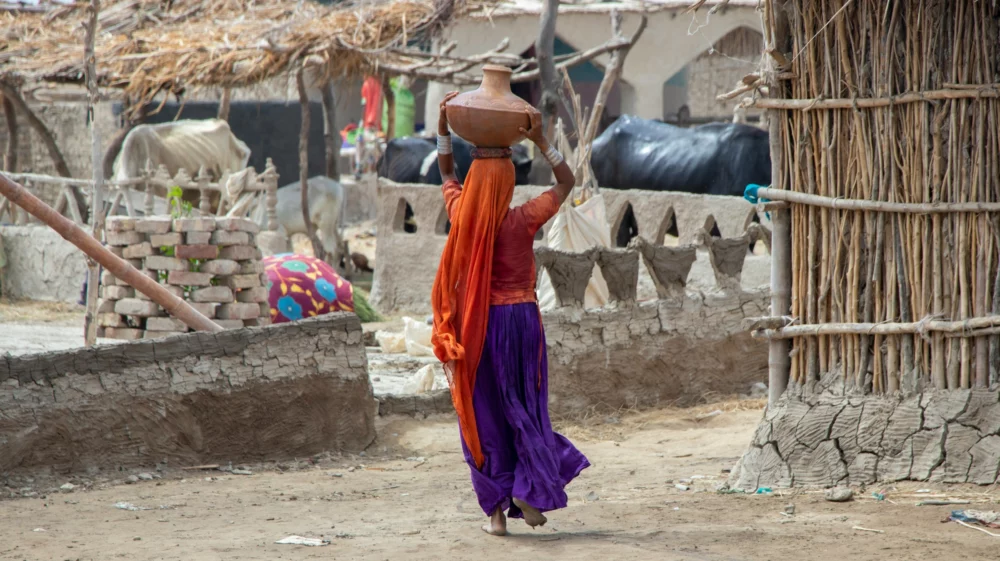
Srimangal, Bangladesh - September 15, 2013: Local people are collecting water from a small village close to Srimangal, Bangladesh.
Photo: Tarzan9280 / Getty Images
Water, sanitation and hygiene (WASH) services are crucial for gender equality but their gender-transformative potential has received less attention in terms of intervention design and evaluation. The authors compared empowerment levels among participants in a gender-transformative WASH programme in Satkhira, Bangladesh which integrated components such as household decision-making and social norms, to non-participants using the Empowerment in WASH Index. Women participants had higher empowerment than all other groups, including men in both areas. The results show the potential of gender transformative WASH approaches to not only achieve targeted improvements in WASH but also make meaningful and measurable contributions to gender equality.
Journal article / This systematic review and meta-analysis evaluates time use and time-savings related to WASH interventions in low- and middle-income countries.
Press release / SEI researchers publish analysis on whether “rights of rivers” initiatives have led to environmental protections.
Project / Does granting rivers legal rights help people and nature? This study analyzes the Atrato, Whanganui, and Turag rivers to find fair, effective governance.