This systematic review and meta-analysis evaluates time use and time-savings related to WASH interventions in low- and middle-income countries.
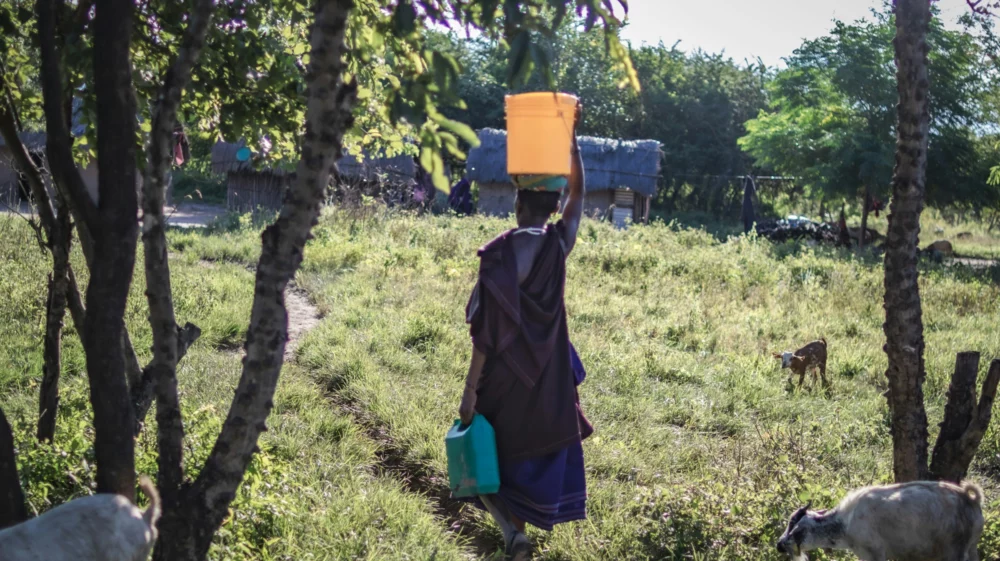
Woman carrying water in Sindh, Pakistan
Photo: Paul Jai / Unsplash
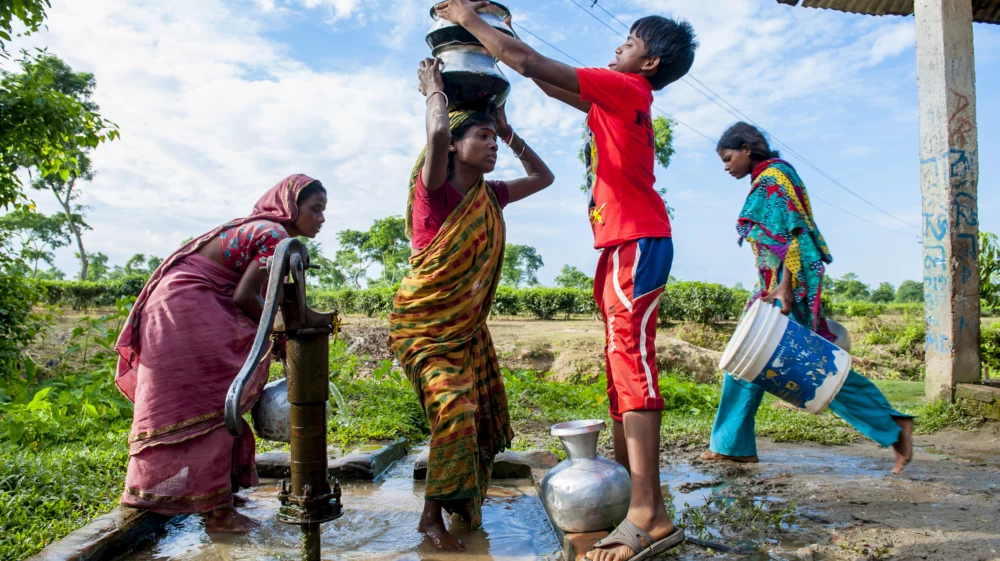
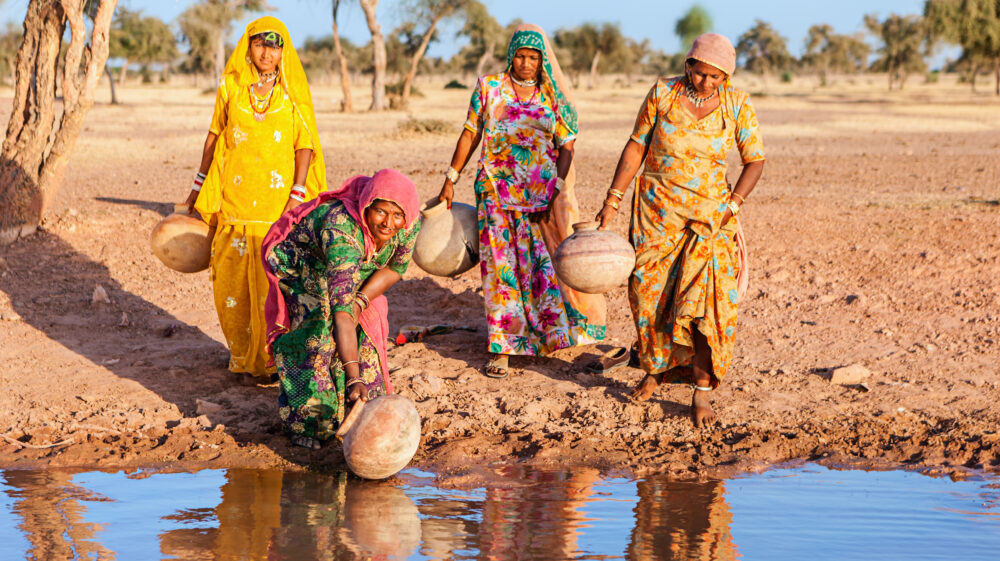
Large amounts of time are wasted globally accessing water for domestic uses and sanitation, disproportionately impacting women and girls. The authors conducted a systematic review and meta-analysis based on evidence mapping initiatives. Their synthesis of the evidence found a mean reduction of 15 min per trip for water supply interventions, and 3 min per trip for sanitation interventions, adding up to around 8 h per week and 3.5 h per week respectively at the household level. Time-savings from improvements in the quantity of water supplied were very large, whether improved water supplies were provided at the household or community level. In contrast, studies on water treatment reported small increases in time, and there were no studies that reported reallocation following hygiene interventions. The authors found limited evidence on time reallocation to other activities, but disaggregated data showed girls were significantly more likely to attend school following interventions that improved water supply, sanitation and hygiene (WASH) at the household level. Of note, nearly half of the eligible studies collecting information about time use were identified in the grey literature. This policy-relevant evidence contributes to the case for increasing investments in appropriate water supply and sanitation interventions.
Project / SEI research team will synthesize the existing evidence about gender and social equality (GSE) outcomes of water, sanitation and hygiene (WASH) interventions.
Journal article / This study explores how gender-transformative WASH interventions can contribute to women’s empowerment and broader social change.
Other publication / This systematic evidence synthesis collated evidence on the impact of WASH interventions on GESI outcomes in low- and middle-income countries.
Perspective / The UN Water Conference should include commitments related to gender and social inclusion, and provide transformative action.