Skip navigation
SEI brief

Information as infrastructure: addressing water and energy constraints of cassava processors in Nigeria

Start reading
SEI brief

Information as infrastructure: addressing water and energy constraints of cassava processors in Nigeria

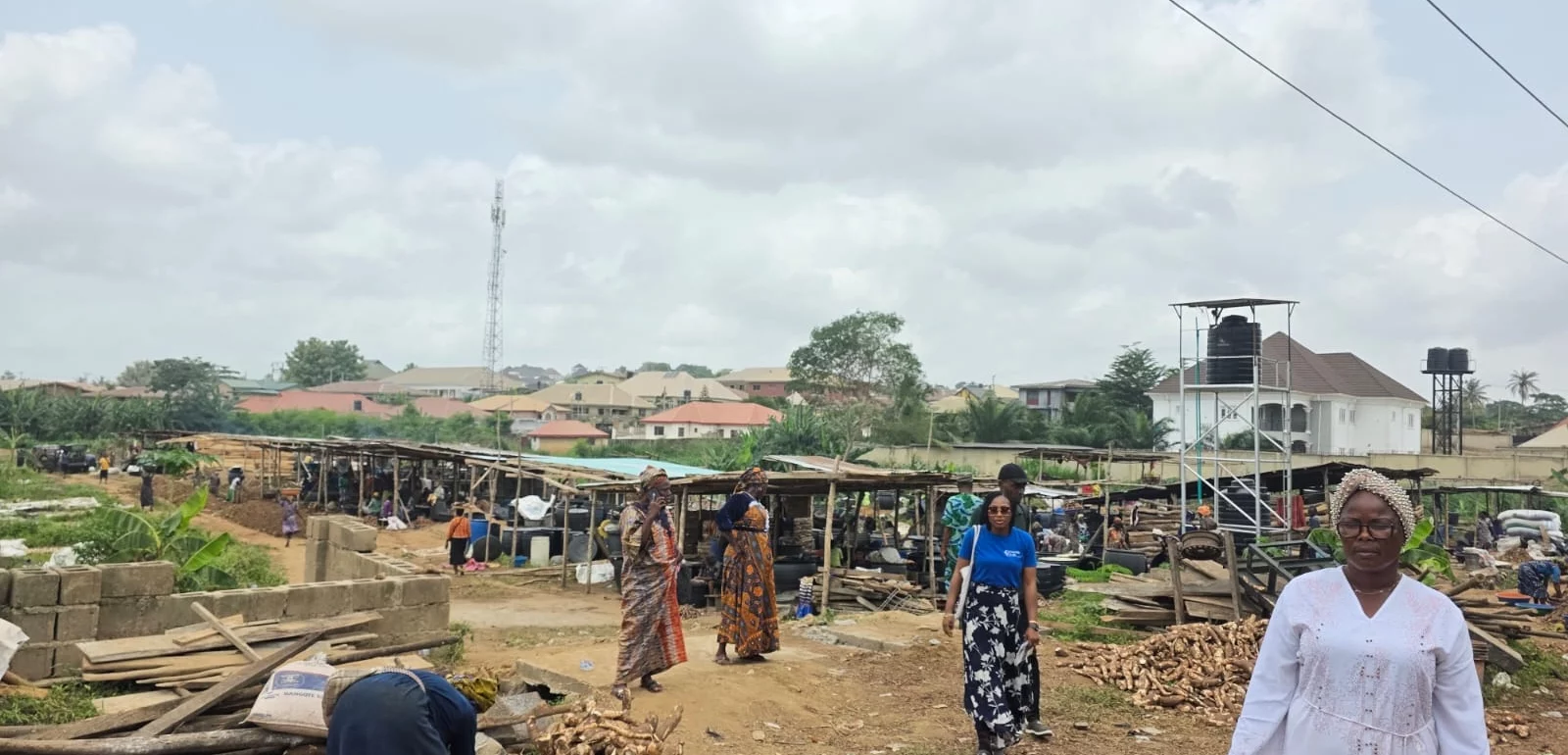
This brief outlines how better communication may help cassava processors in Oyo State, Nigeria, address water and energy shortages that have constrained productivity and responsiveness to consumer demand.

Oluwaseun T. Bamigboye, Benjamin N. Chukwu, Paul O. Joseph, Paige E. Price, Reason R. Charachimwe, Fatima Laghchim, Jafaru M. Egieya, Laura S. Olabisi / Published on 20 August 2026

Download  Read the brief / PDF / 1 MB
Citation

Bamiboye, O. T., Chukwu, B. N., Joseph, P. O., Price, P. E., Chrachimwe, R. R., Laghchim, F., Egieya, J. M., & Olabisi, L. S. (2026). Information as infrastructure: addressing water and energy constraints of Nigerian cassava processors in Nigeria. SEI brief. Stockholm Environment Institute. https://doi.org/10.51414/sei2026.032

Key messages

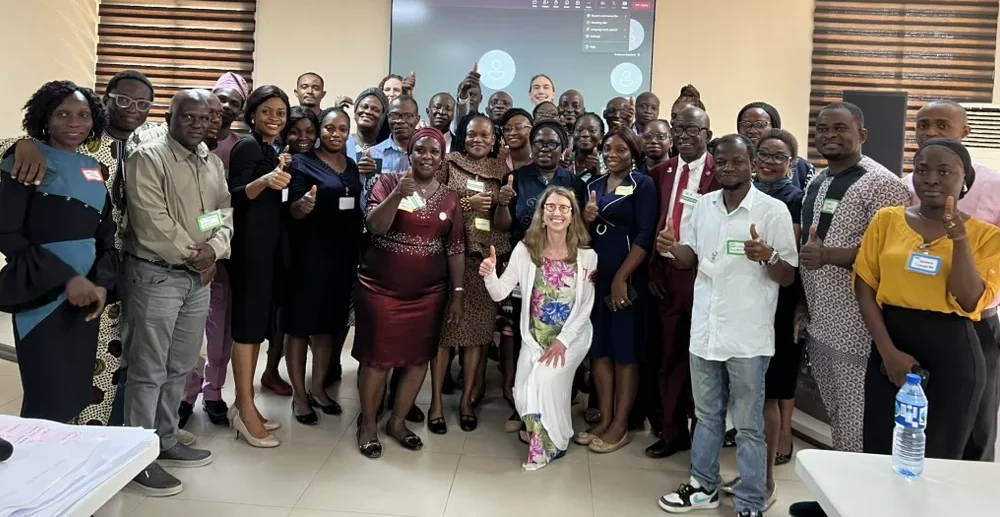
  • The insights and recommendations put forward in the brief stem from focus group discussions held with cassava processors, representatives of the Oyo State Ministry of Rural Water Supply and Sanitation and the Oyo State Ministry of Energy and Mineral Resources during the Collaborative Learning School 2025 of the SustainFood Network.

  • The discussions suggest that processors’ challenges in accessing sufficient water and energy arise largely from a lack of awareness and use of available government infrastructure and support services.

  • The authors recommend steps that state-level government water and energy ministries and agricultural extension services can take to better communicate with processors to help them meet customer demand, improve livelihoods, and use resources more efficiently and sustainably.

  • Though the insights surface from sessions in one region involving one agricultural product (cassava) and region, the authors note that similar communication barriers likely affect agro-processors in other low-income regions working with other foods in other parts of Nigeria and beyond.

Download

Read the brief / PDF / 1 MB